PVC solenoid valves have become an indispensable part of many industries due to their excellent durability, resistance to corrosion, and ability to precisely control fluid flow. These valves are typically used in systems where fluid control is essential, such as water treatment, chemical processing, agriculture, and irrigation. This article will discuss the advantages of PVC solenoid valves and the key applications they serve.
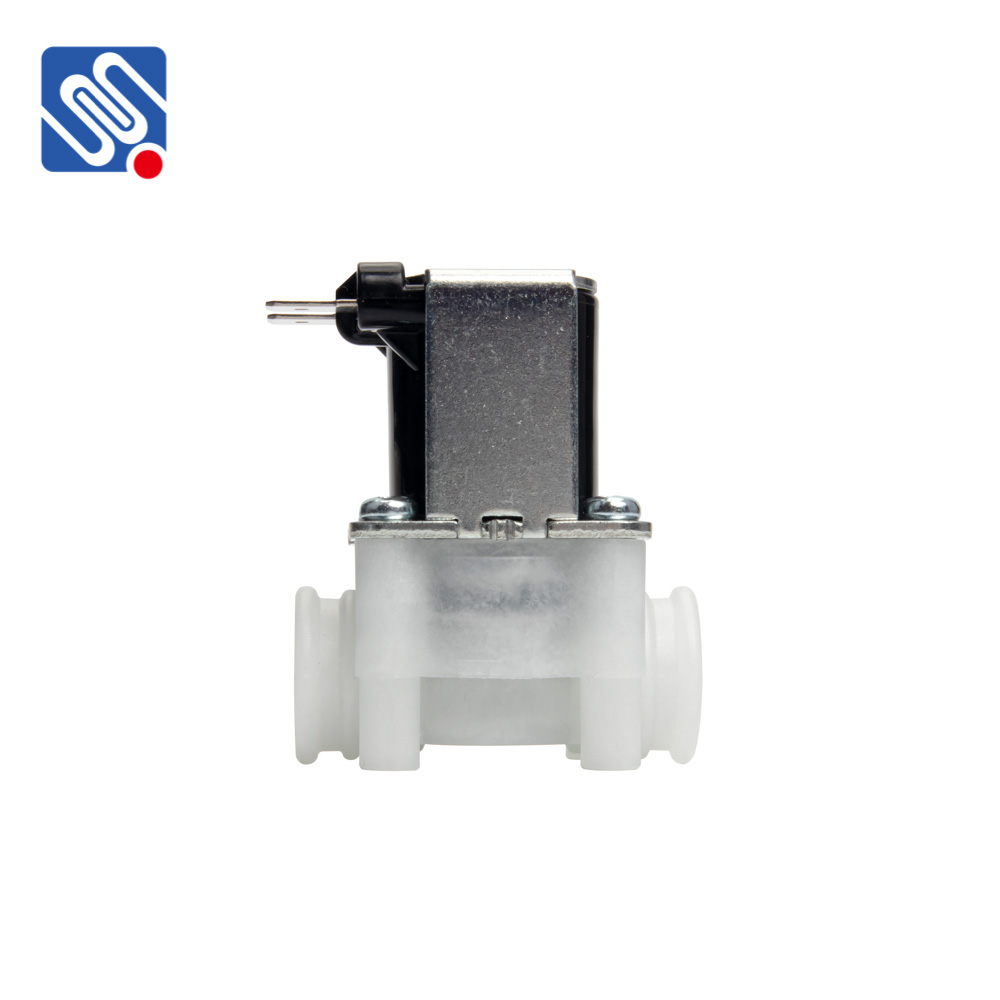
What is a PVC Solenoid Valve? A PVC solenoid valve is an electrically operated valve used to control the flow of liquids or gases. The term “solenoid” refers to the coil mechanism inside the valve, which, when energized, creates a magnetic field to open or close the valve. The valve body is made of Polyvinyl Chloride (PVC), a lightweight and corrosion-resistant plastic material, which makes these valves ideal for use in harsh environments, particularly where metal valves might degrade. Advantages of PVC Solenoid Valves 1. Corrosion Resistance PVC is well-known for its resistance to chemical corrosion. Unlike metal valves that may rust or corrode when exposed to chemicals, PVC solenoid valves maintain their structural integrity even when exposed to aggressive chemicals such as acids, alkalis, and salts. This property makes them an excellent choice for industries like water treatment, chemical processing, and pharmaceuticals, where chemicals can rapidly degrade materials.