In today’s industrial landscape, ensuring the safety of workers is paramount. One crucial aspect of maintaining a safe work environment is the implementation of Lockout-Tagout (LOTO) procedures, which use devices such as Industrial Safety Padlocks. These padlocks play a vital role in preventing accidental machine startups during maintenance and servicing, thus protecting employees from potentially life-threatening injuries. This article will explore the significance, types, and best practices associated with Industrial Safety Padlocks, highlighting their essential role in workplace safety.
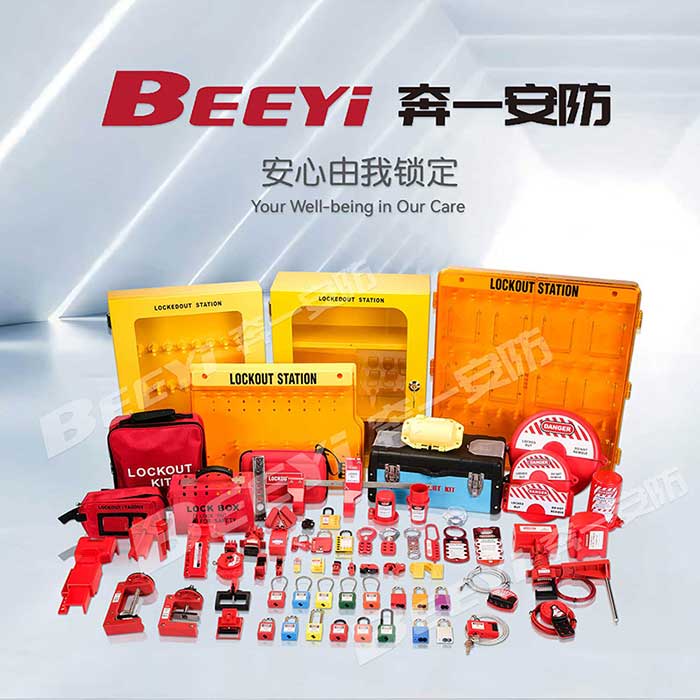
The Role of Industrial Safety Padlocks Industrial Safety Padlocks are specifically designed to secure machinery and equipment when it is being serviced or maintained. By locking out a piece of equipment, workers can ensure that no one can inadvertently start the machine while they are working on it. This reduces the risk of accidents stemming from unexpected equipment operation. The Occupational Safety and Health Administration (OSHA) emphasizes the importance of LOTO procedures, which rely heavily on the use of these padlocks, in safeguarding employees in various types of industries, including manufacturing, construction, and energy.