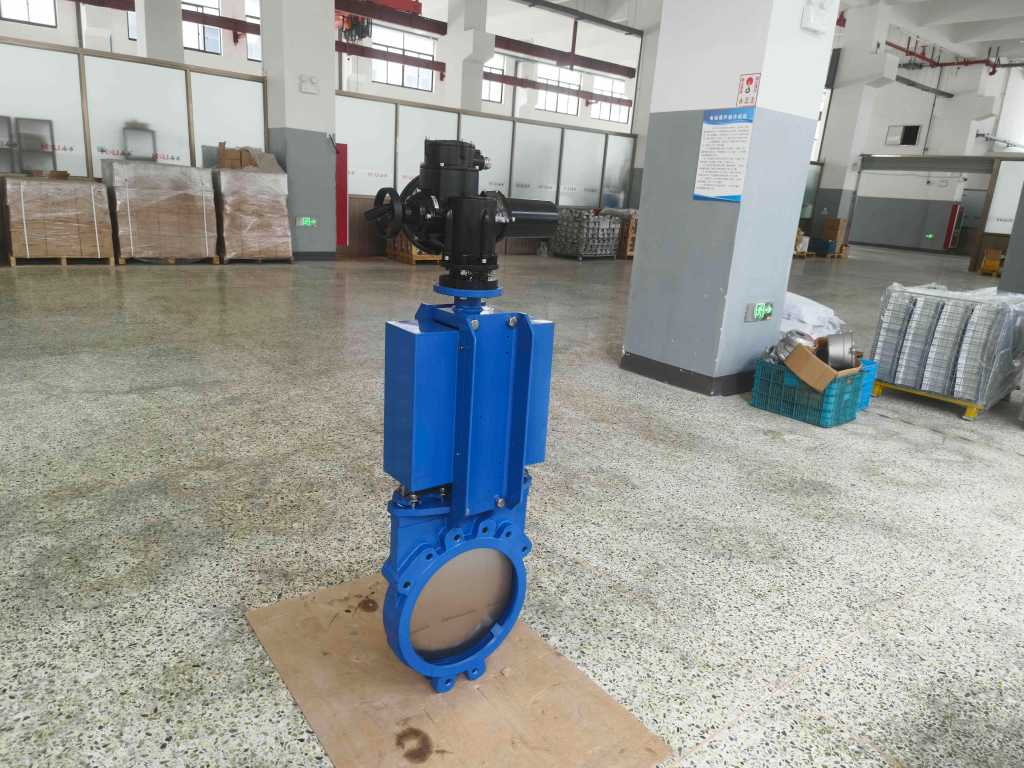
The Stainless Steel Electric Flat Gate Valve is a vital component used in many industries to control the flow of fluids in a variety of systems. The combination of stainless steel material and electric operation makes these valves a preferred choice for applications where reliability, durability, and precise control are required. This article delves into the structure, features, advantages, and applications of stainless steel electric flat gate valves, shedding light on why they have become a cornerstone in modern fluid handling systems.
Structure and Design
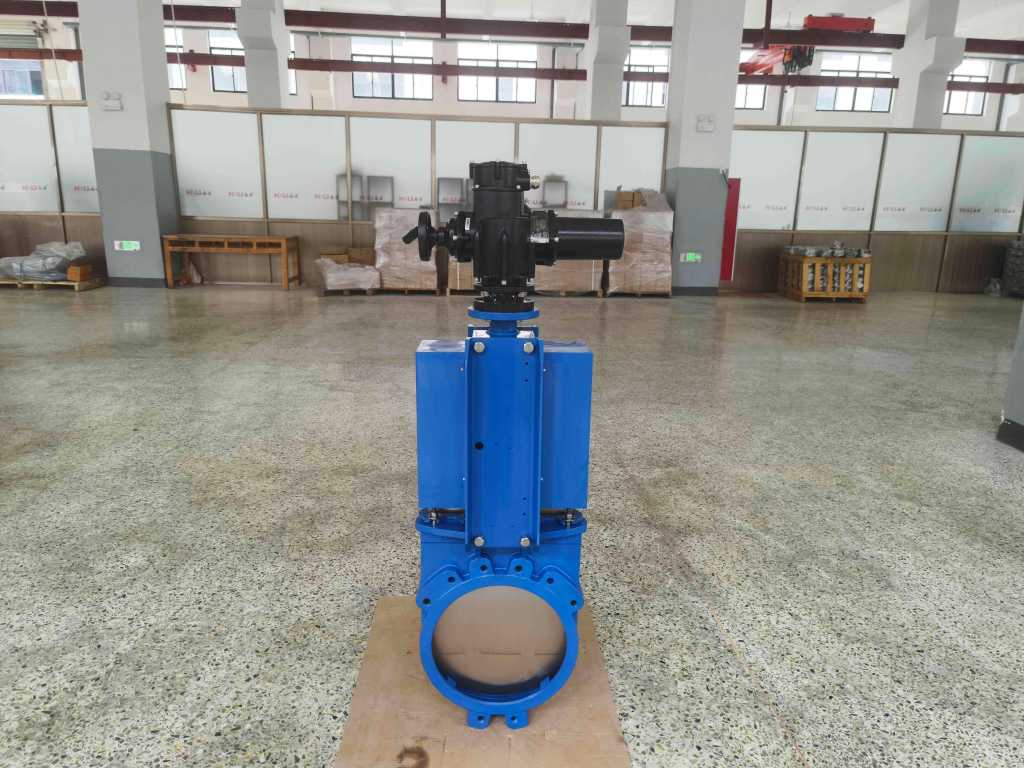
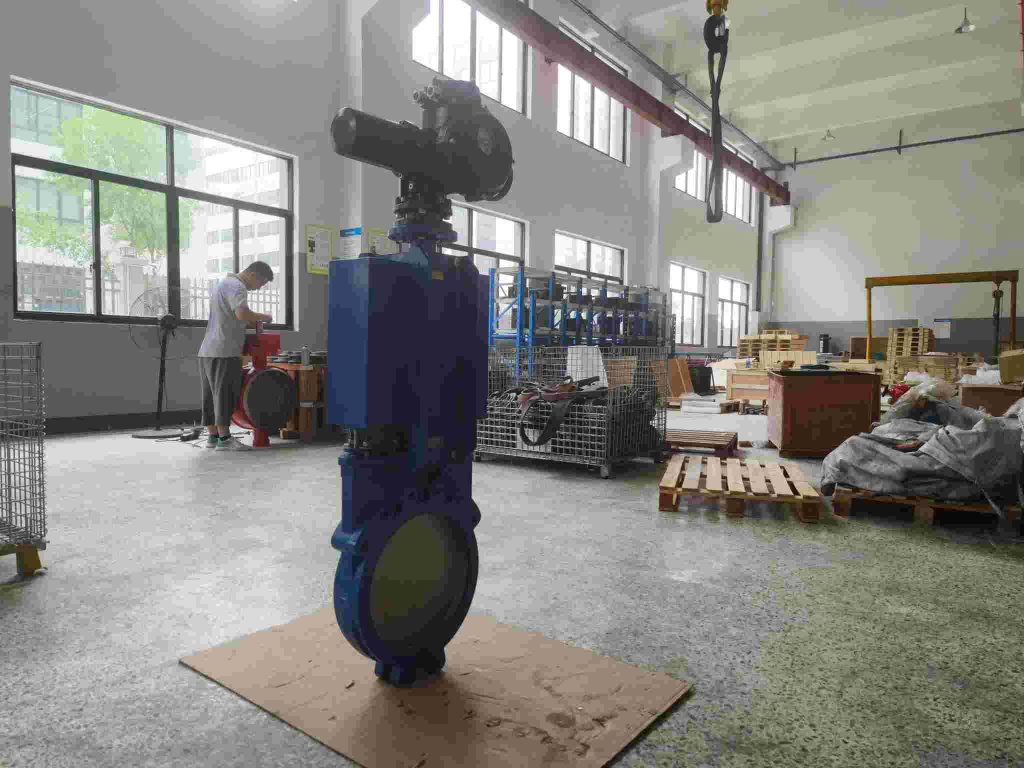
A stainless steel electric flat gate valve consists of several key components: the valve body, gate, electric actuator, and sealing mechanism. The body of the valve is typically made from high-quality stainless steel, ensuring strength and resistance to corrosion. Stainless steel is particularly beneficial in harsh environments where the valve will be exposed to aggressive fluids or high temperatures. The flat gate, which slides within the valve body, provides a smooth and effective sealing surface to prevent leaks when the valve is closed. The electric actuator is the heart of the valve’s operation, replacing traditional manual operation with an automated electric control system. The actuator enables the valve to be opened or closed with precision, ensuring that the desired flow rate is maintained. The actuator can be linked to a remote control system, making it suitable for applications requiring remote operation or integration with automated systems.