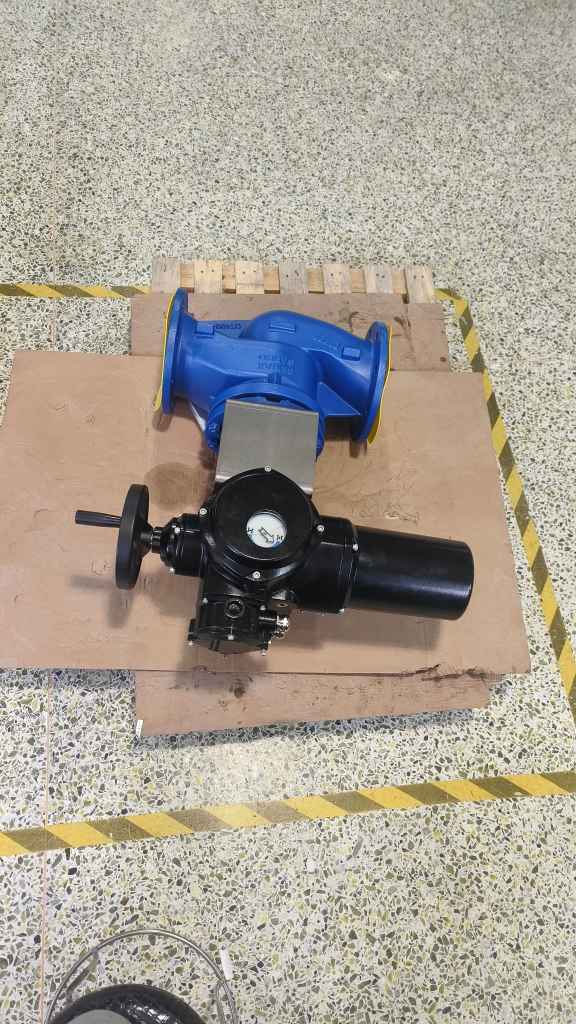
In today’s rapidly evolving technological landscape, lithium batteries have emerged as the backbone of numerous applications, ranging from electric vehicles (EVs) to renewable energy storage systems. While the advantages of lithium batteries—including high energy density and long cycle life—are widely recognized, their safety remains a paramount concern. This is where the lithium battery electric shut-off valve (LBESV) comes into play. This safety device is critical for protecting battery systems from catastrophic failures and ensuring their efficient operation.
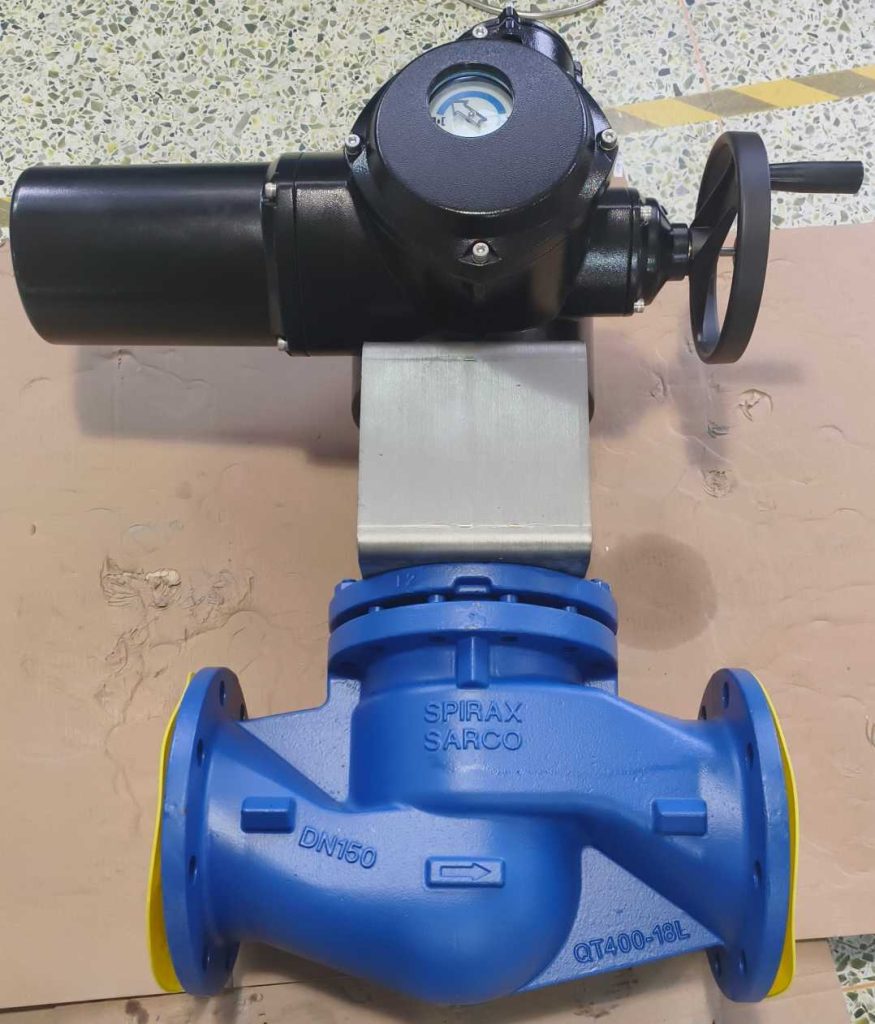
What is a Lithium Battery Electric Shut-off Valve?
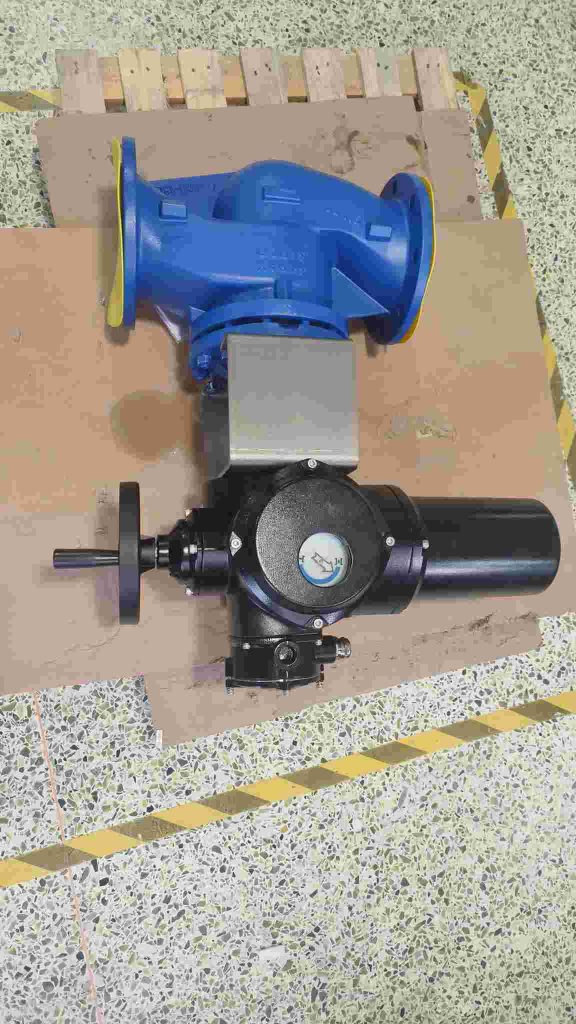
A lithium battery electric shut-off valve is an integral component of battery management systems (BMS). Its primary function is to disconnect the battery from the electrical circuit during emergency conditions, such as overcurrent, overheating, or short circuits. By doing so, the LBESV minimizes the risk of fire or explosion, which could arise from thermal runaway. This safety device operates electronically, allowing it to react swiftly to changing conditions in the battery system. Functionality and Mechanism The LBESV mechanism typically involves a controllable switch that can be activated or deactivated based on specific parameters set by the battery management system. This may include voltage thresholds, temperature limits, or current flows. In some advanced designs, the valve can also receive real-time feedback on its operational status, providing valuable data to the BMS and enhancing overall safety.