In industrial settings, ensuring the safety of workers is of paramount importance. One of the most critical aspects of workplace safety is managing the risks associated with electrical systems. Electrical hazards are among the leading causes of workplace injuries, especially during maintenance and repair operations. To mitigate these risks, safety protocols such as lockout/tagout (LOTO) procedures have become standard practice. Among the tools designed to support these safety measures, the IEC 60947-2 certified lockout bag plays a crucial role in protecting workers from electrical hazards. This article explores the importance, features, and benefits of the IEC 60947-2 certified lockout bag and how it contributes to a safer working environment.
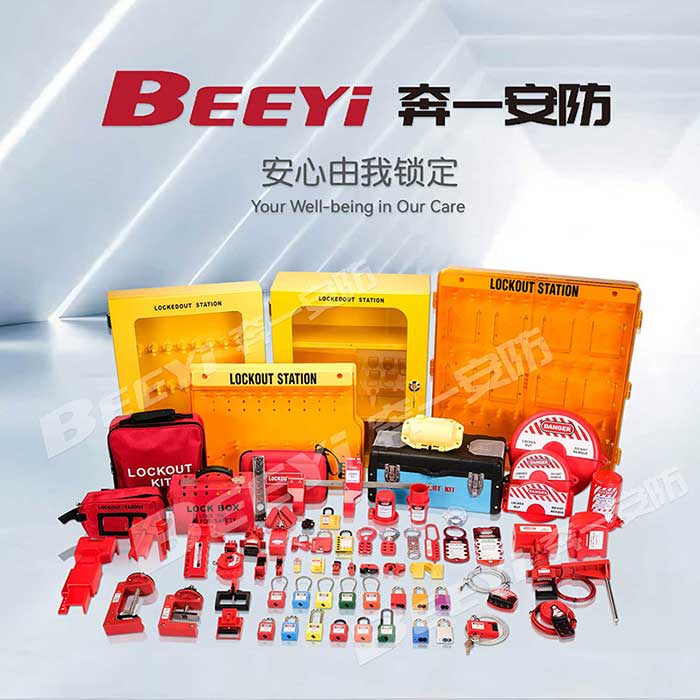
What is an IEC 60947-2 Certified Lockout Bag? An IEC 60947-2 certified lockout bag is a safety device used to secure and isolate electrical equipment during maintenance or repair. It is specifically designed to prevent electrical equipment from being accidentally energized while maintenance or servicing is being carried out. The “lockout” refers to a process where workers place locks on energy-isolating devices (such as circuit breakers or switches) to ensure that the equipment cannot be turned on until maintenance is completed. The IEC 60947-2 certification signifies that the lockout bag meets the standards established by the International Electrotechnical Commission (IEC) under the IEC 60947-2 standard. This standard pertains to low-voltage switchgear and controlgear, outlining the safety requirements for electrical equipment used in industrial environments. Certification ensures that the lockout bag adheres to rigorous safety, quality, and durability requirements, making it suitable for use in high-risk electrical environments.