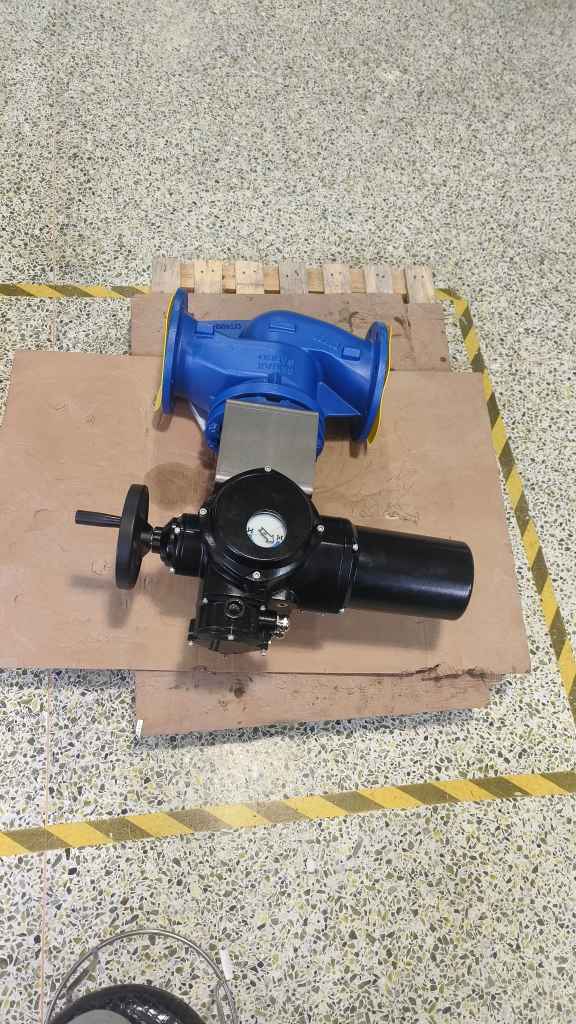
As the world shifts towards cleaner and more sustainable energy sources, hydrogen energy is emerging as a promising alternative to traditional fossil fuels. Among the many components that play a crucial role in hydrogen systems, the hydrogen energy electric shut-off valve stands out as an essential safety and operational feature. These valves not only control the flow of hydrogen but also help ensure the safe and efficient functioning of hydrogen fuel cells, storage systems, and distribution networks. In this article, we will explore the importance, functionality, and applications of hydrogen energy electric shut-off valves in modern hydrogen infrastructure.
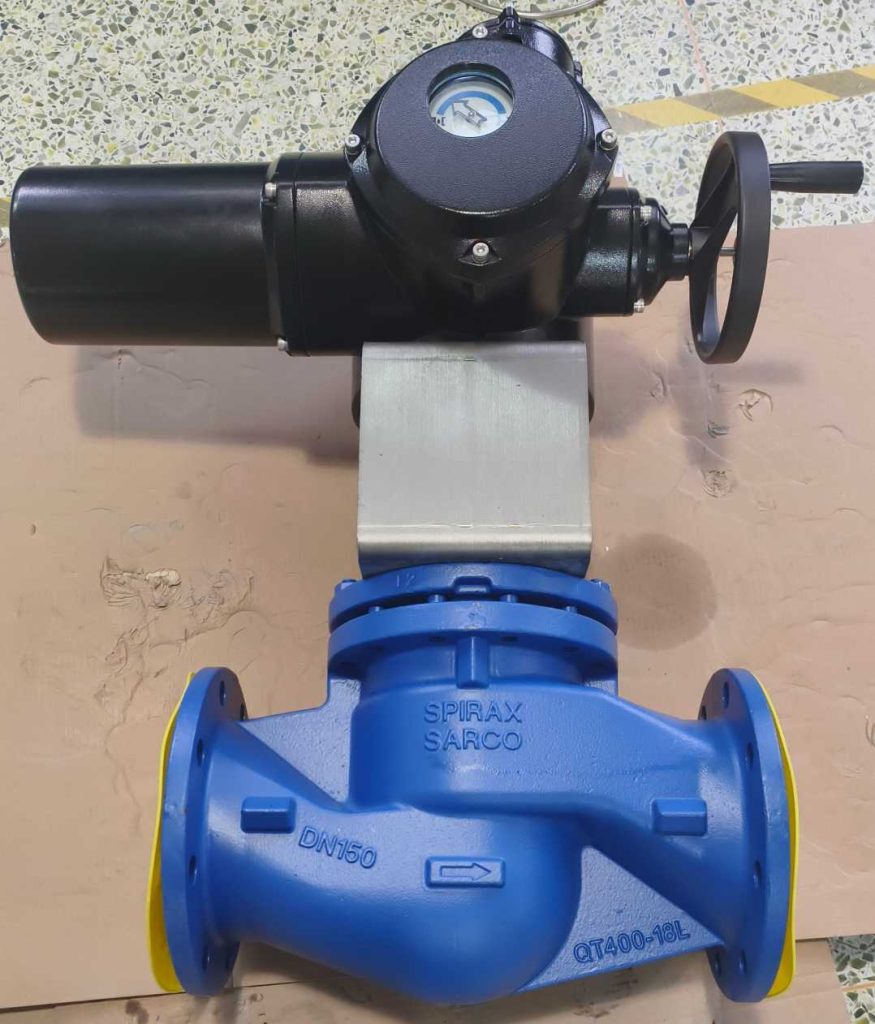
What is a Hydrogen Energy Electric Shut-off Valve?
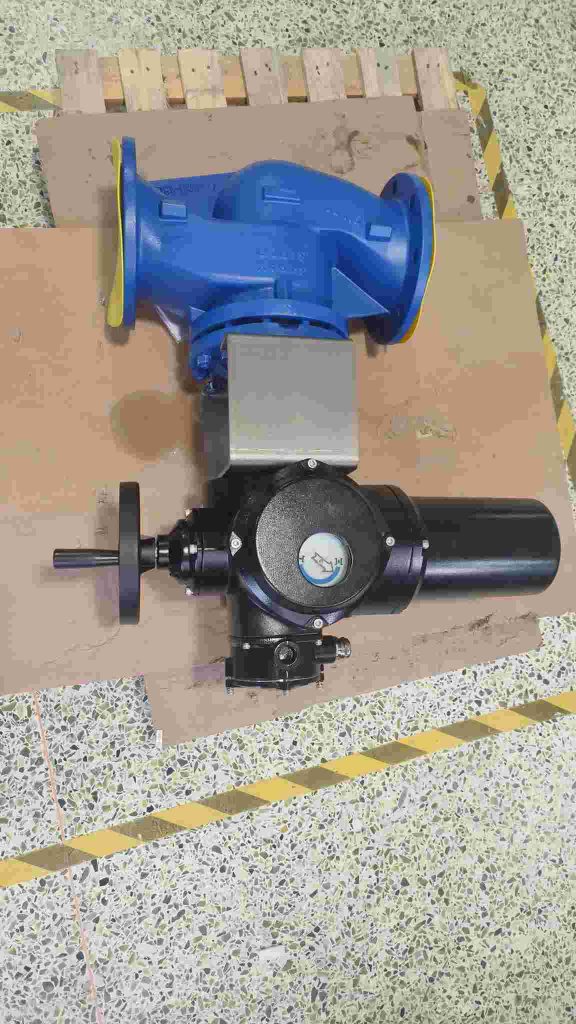
A hydrogen energy electric shut-off valve is a device used to control the flow of hydrogen gas within various systems, such as fuel cells, storage tanks, and distribution pipelines. It is equipped with an electric actuator that allows for precise, automated control of the valve’s opening and closing. These valves are critical in maintaining the safety of hydrogen systems by preventing leaks, managing pressure, and enabling quick shut-off in case of emergency or system malfunction. The Functionality and Working Principle The primary function of a hydrogen energy electric shut-off valve is to control the flow of hydrogen gas, ensuring that the gas moves through the system at the required pressure and flow rates. The valve’s operation is typically automated, allowing for remote control and integration into the broader system.