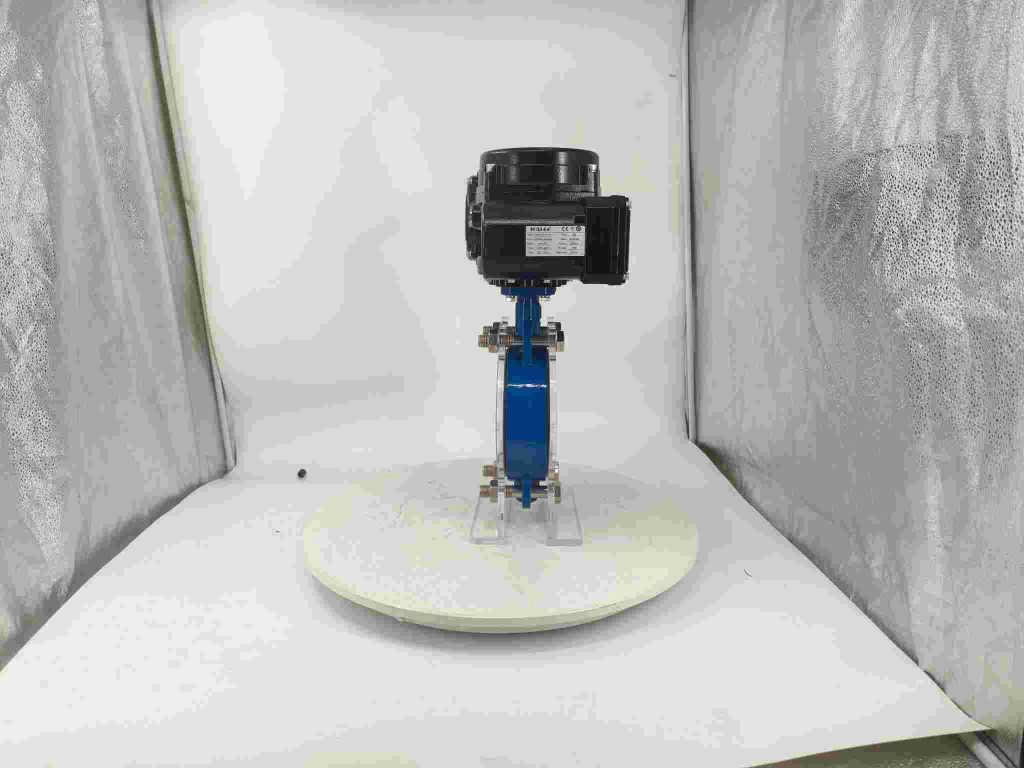
Explosion-proof electric butterfly valves are critical components in industries where safety and operational reliability are paramount, particularly in hazardous environments. These valves play a crucial role in controlling fluid flow while preventing sparks or electrical malfunctions that could trigger explosions in areas containing flammable gases, dust, or vapors. As industries like petrochemical, oil and gas, and chemical processing deal with volatile substances, the demand for explosion-proof electric butterfly valves has grown significantly. In this article, we explore the importance of these valves, their features, and the role of manufacturers in providing reliable solutions.
The Importance of Explosion-Proof Electric Butterfly Valves
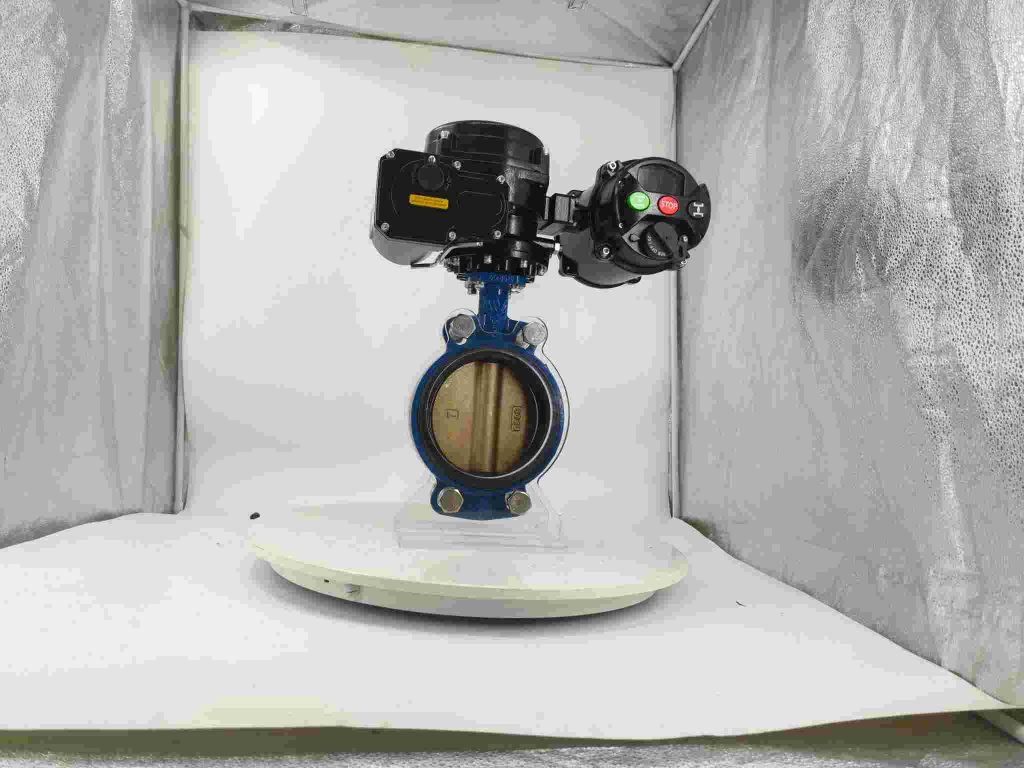
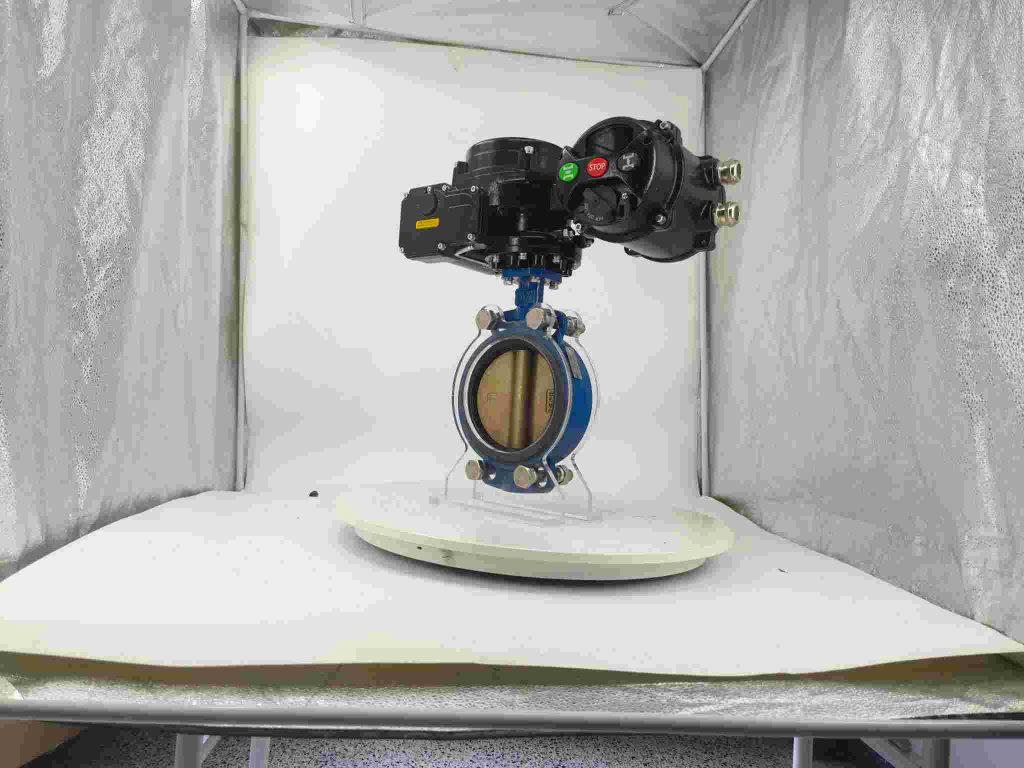
The primary function of a butterfly valve is to regulate the flow of liquids or gases within a system. A butterfly valve features a disc that rotates to either allow or block the flow, offering precise control. However, when installed in explosive environments, these valves need to be equipped with explosion-proof actuators to prevent ignition risks. Explosion-proof electric butterfly valves are designed to provide a safe operation in these hazardous zones by incorporating both the valve mechanism and an explosion-proof electric actuator into one robust unit. Manufacturers of explosion-proof electric butterfly valves understand the need for safety in hazardous environments and design their products to comply with strict safety standards. These standards, such as the ATEX (European Union), IECEx (International), and UL (North American) certifications, ensure that the valves are capable of operating safely without igniting any flammable substances present in the surrounding atmosphere.