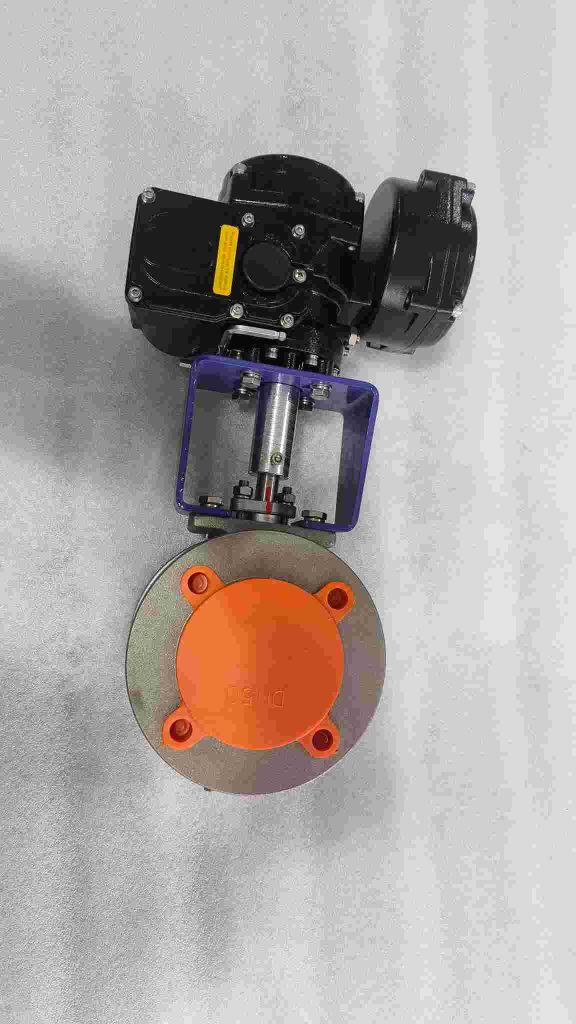
In industries where hazardous chemicals, gases, and other dangerous substances are handled, safety is paramount. Explosion-proof equipment plays a crucial role in ensuring the safety and functionality of operations, particularly in high-risk environments like chemical plants, oil refineries, and gas processing units. One such vital component is the Explosion-proof electric ball valve, which ensures reliable control of fluid flow while preventing potential ignition sources that could lead to catastrophic explosions. In this article, we’ll explore the importance of these valves, the features offered by OEM manufacturers, and the industries that benefit from their use.
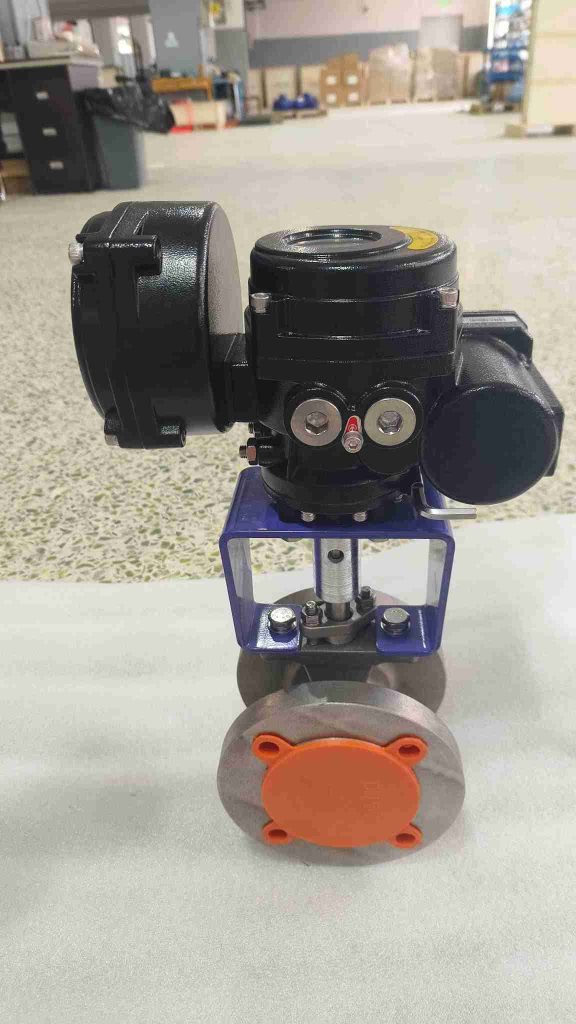
What is an Explosion-proof Electric Ball Valve?
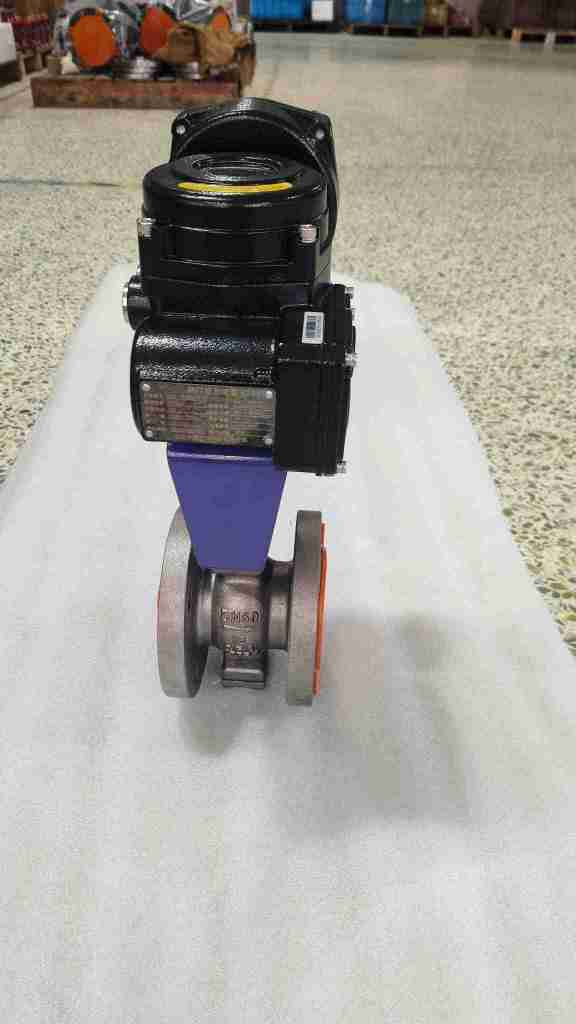
An Explosion-proof electric ball valve is designed to control the flow of gases or liquids in environments where explosions are a risk. It is commonly used in hazardous areas where volatile chemicals or gases are present. The electric actuator controls the valve remotely, offering convenience and automation while ensuring high reliability and safety. The term “explosion-proof” refers to the valve’s design and construction, which prevents it from igniting any potentially explosive materials in the surrounding environment. These valves are typically made with rugged materials such as stainless steel or forged steel, ensuring they can withstand high pressure, extreme temperatures, and corrosive substances. The electric actuator, which opens or closes the ball valve, is also engineered to be explosion-proof, typically meeting international safety standards like ATEX (European Union), IECEx (International), and UL (United States).