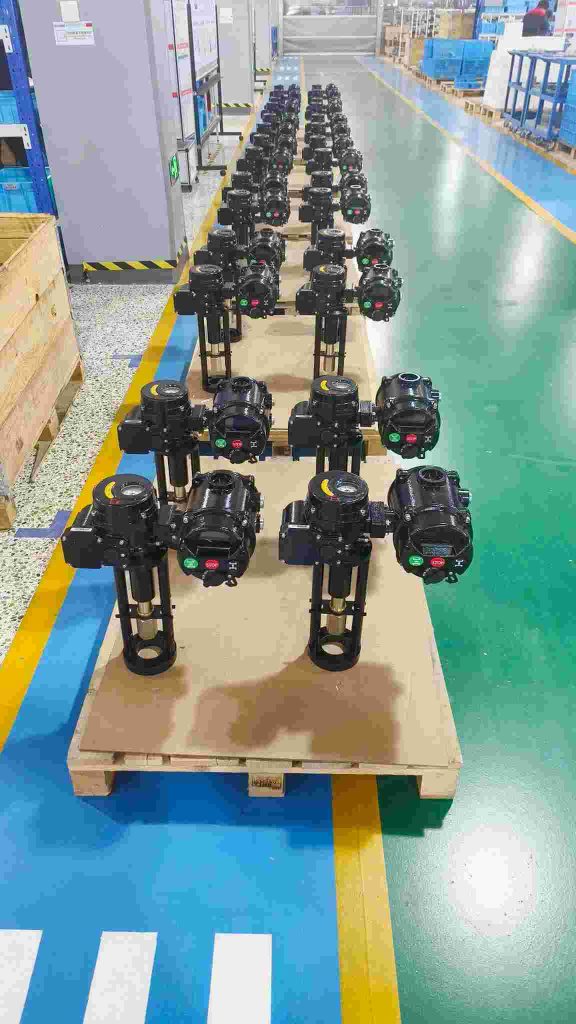
In the ever-evolving landscape of modern engineering, one technology stands out for its potential to revolutionize various industries—Intelligent Integrated Actuators (IIA). These highly sophisticated devices not only perform mechanical tasks but also possess advanced sensory, control, and adaptive capabilities, making them an essential part of the next generation of robotics, automation, and precision engineering.
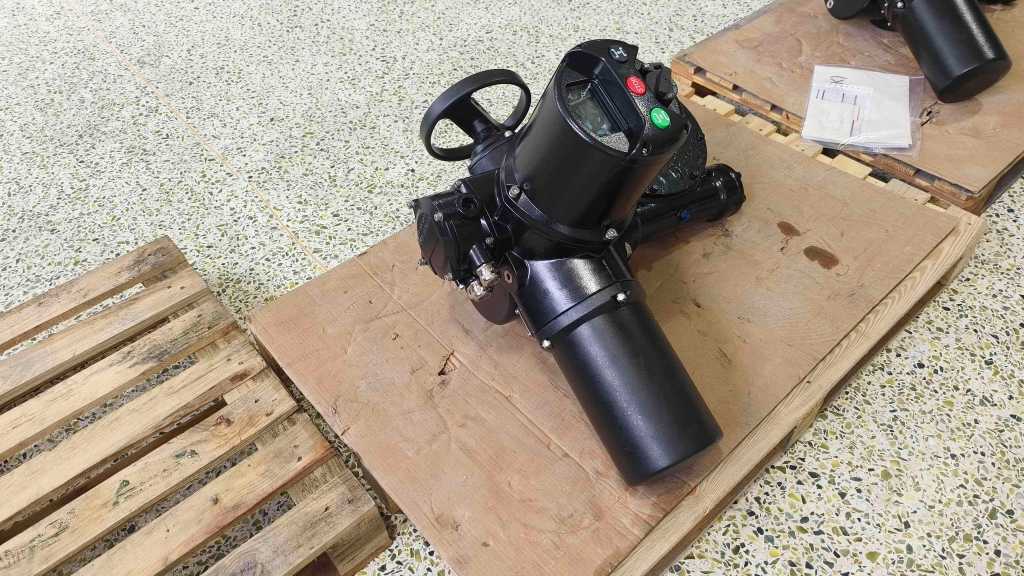
What is an Intelligent Integrated Actuator?
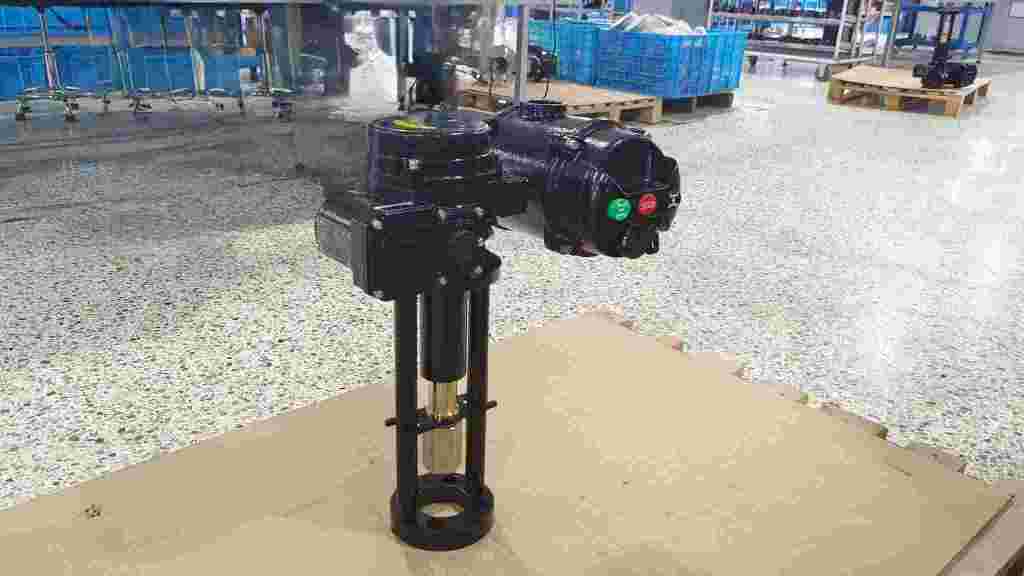
An Intelligent Integrated Actuator is a system that combines the functions of an actuator, a sensor, and a controller into a single, compact unit. Traditionally, an actuator is responsible for converting energy into motion, typically using electrical, pneumatic, or hydraulic power. Sensors provide feedback on the actuator’s performance, and controllers manage the actuator’s operation. In an IIA, these individual components are seamlessly integrated to create a self-sufficient and intelligent system capable of responding dynamically to external stimuli. The intelligent aspect of IIAs comes from their ability to sense environmental conditions and adapt their behavior accordingly. This allows them to perform tasks with greater precision, efficiency, and flexibility than traditional actuators, which typically rely on pre-programmed instructions and do not have the ability to respond to changes in real-time.