An Electric Pinch Valve is a revolutionary component in fluid control systems, known for its precise operation and ability to handle a wide range of fluids, including corrosive, abrasive, and viscous materials. Unlike traditional valves that rely on metal components to regulate flow, the Electric Pinch Valve uses a flexible hose or tube, making it ideal for industries where fluid integrity and system reliability are paramount. In this article, we will explore the working principle, benefits, and applications of Electric Pinch Valves in various industrial sectors.
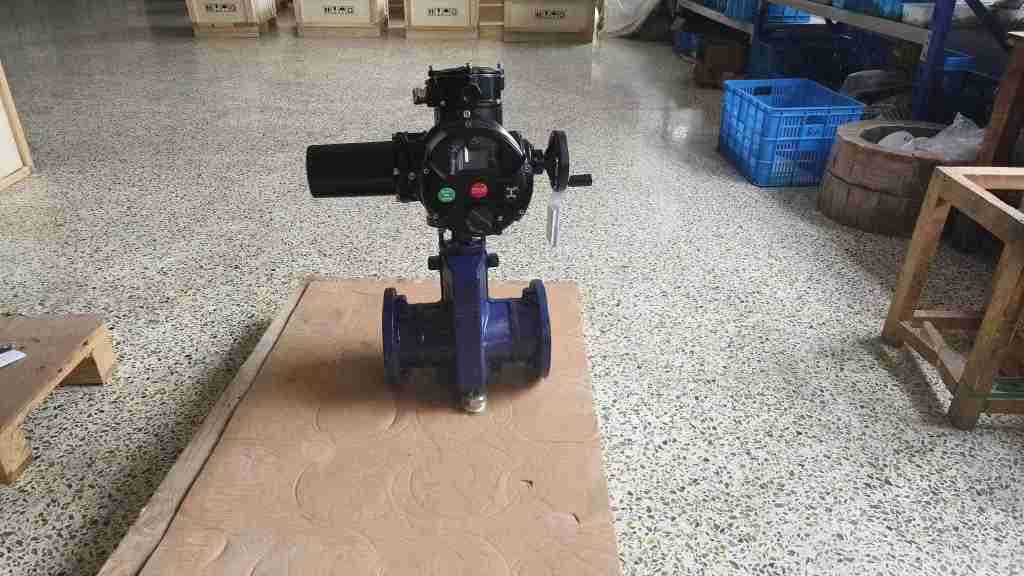
What is an Electric Pinch Valve? An Electric Pinch Valve is a type of valve that controls the flow of fluids through the use of electric actuators. It operates by pinching or squeezing a flexible tube or hose, which either blocks or allows the flow of fluid, depending on the valve’s position. The electric actuator, typically a servo motor or stepper motor, is responsible for the precise movement of the pinch mechanism. This design eliminates the need for traditional metal valve components that may come into contact with corrosive or abrasive fluids. Unlike other types of valves, where the fluid comes into contact with metal parts, the Electric Pinch Valve keeps the fluid in contact only with the flexible tube. This design makes it a superior option for handling highly corrosive, toxic, or particulate-laden fluids.