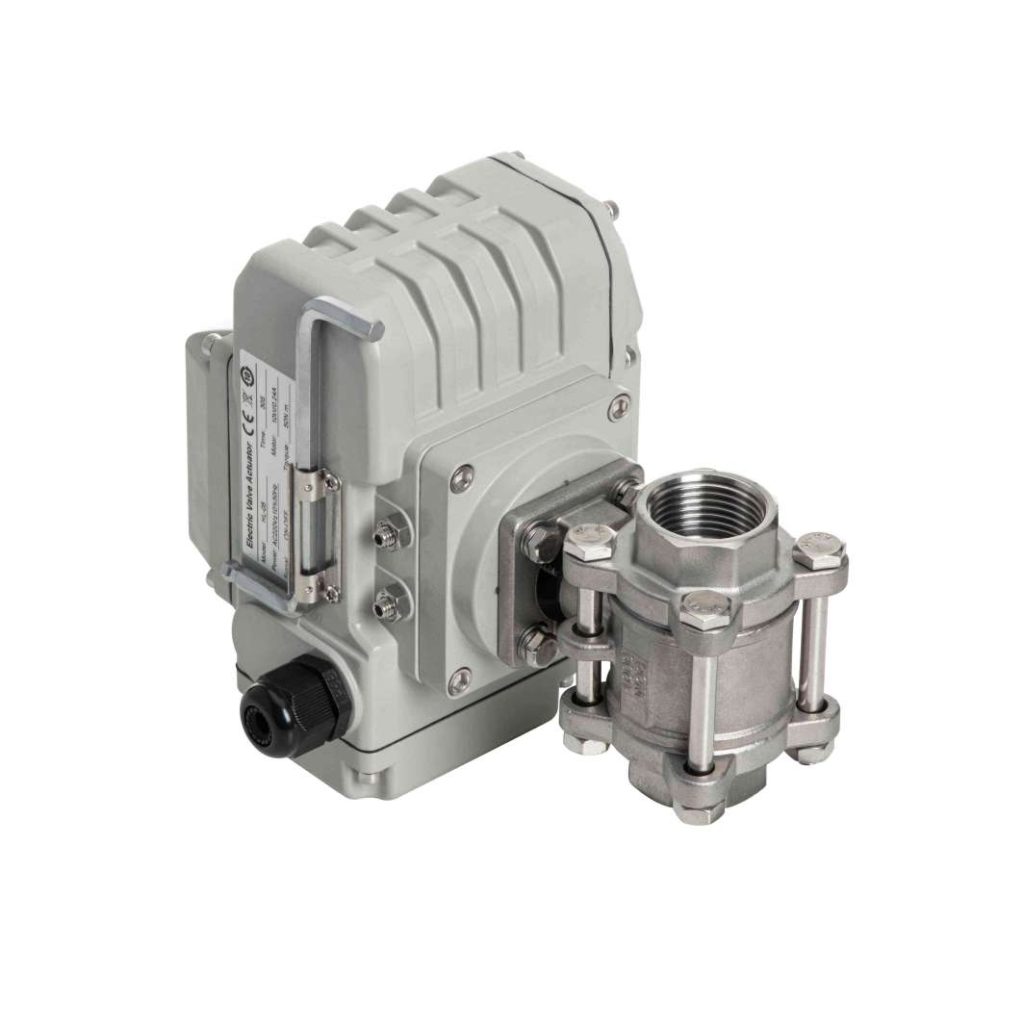
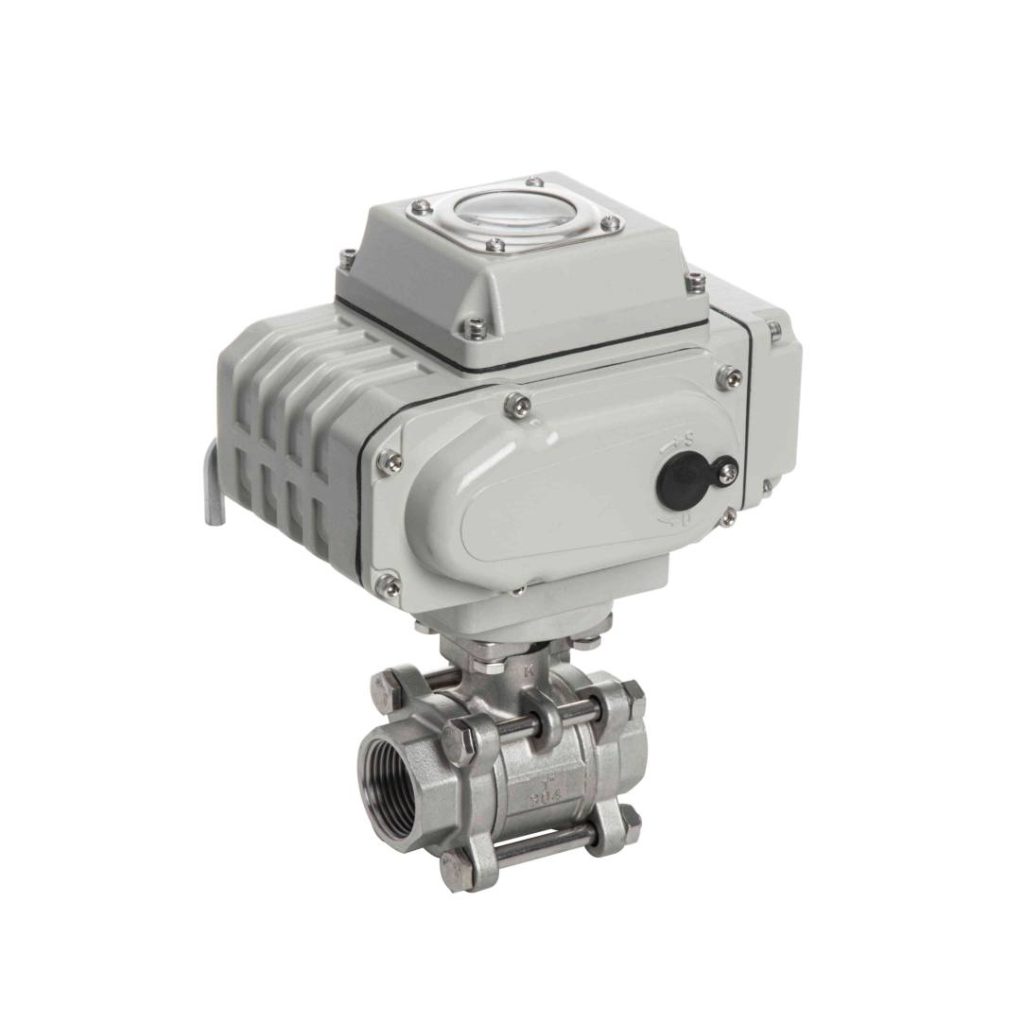
Electric screw ball valves have emerged as one of the most efficient and reliable solutions for fluid flow control in modern industrial systems. By combining the precision of ball valve mechanisms with the automation of electric actuation, this valve type is increasingly used in various sectors, including petrochemicals, water treatment, HVAC, and pharmaceuticals. This article delves into the working principles, features, advantages, and applications of the electric screw ball valve.
Working Principle
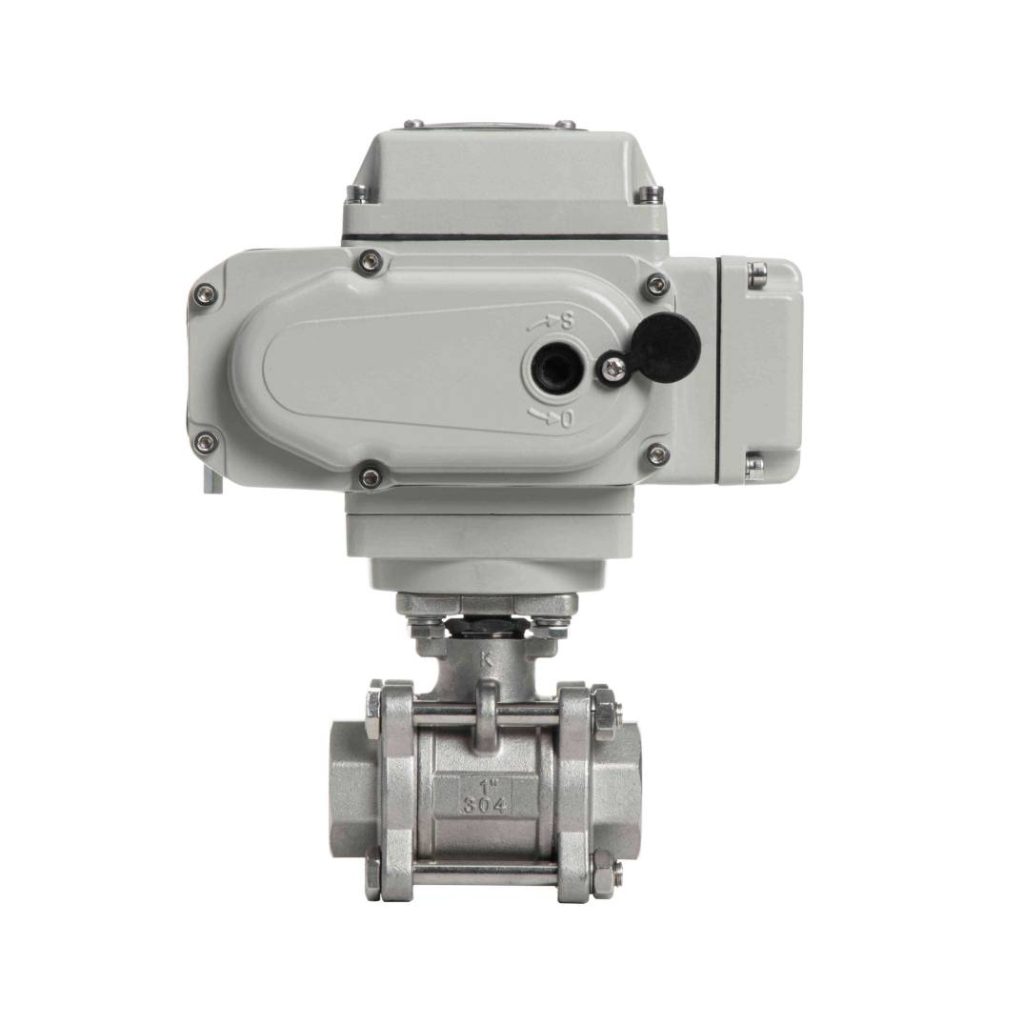
The electric screw ball valve integrates an electric actuator with a ball valve, providing both remote control and precise flow regulation. In essence, the electric actuator drives a screw mechanism that rotates a ball inside the valve, adjusting its position to control fluid flow. This movement allows for full open, closed, or variable flow adjustments based on system needs. The electric actuator can receive commands via a digital control system, making it an ideal solution for applications requiring remote or automated operation. The screw mechanism ensures that the ball valve moves smoothly without friction, improving the overall lifespan of the valve. It also guarantees accurate positioning, providing tight shut-off when fully closed, and minimal resistance when fully open. The electric actuator can be adjusted to modulate the valve’s position, allowing for precise flow control. This is crucial for industries that need to maintain specific flow rates, such as chemical processing or water treatment plants.