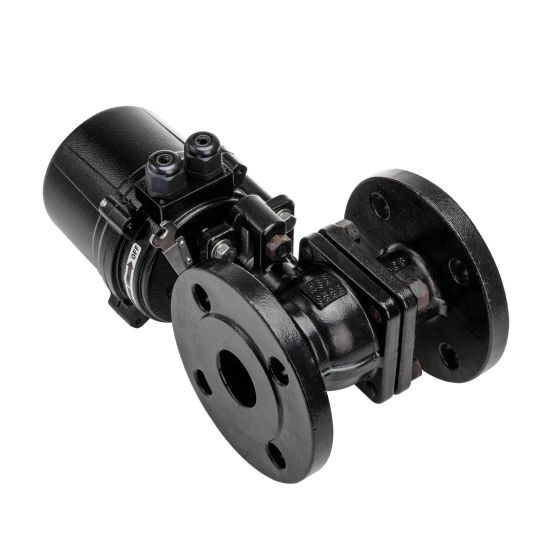
Electric High Temperature Ball Valves are specialized devices designed to handle the challenging task of controlling high-temperature fluids and gases in various industrial systems. These valves are equipped with an electric actuator, which makes them more efficient and versatile compared to manual or pneumatic valves. Whether used in steam systems, chemical plants, or power generation facilities, electric high-temperature ball valves provide reliable, precise, and automated control of fluid flow under extreme temperature conditions.
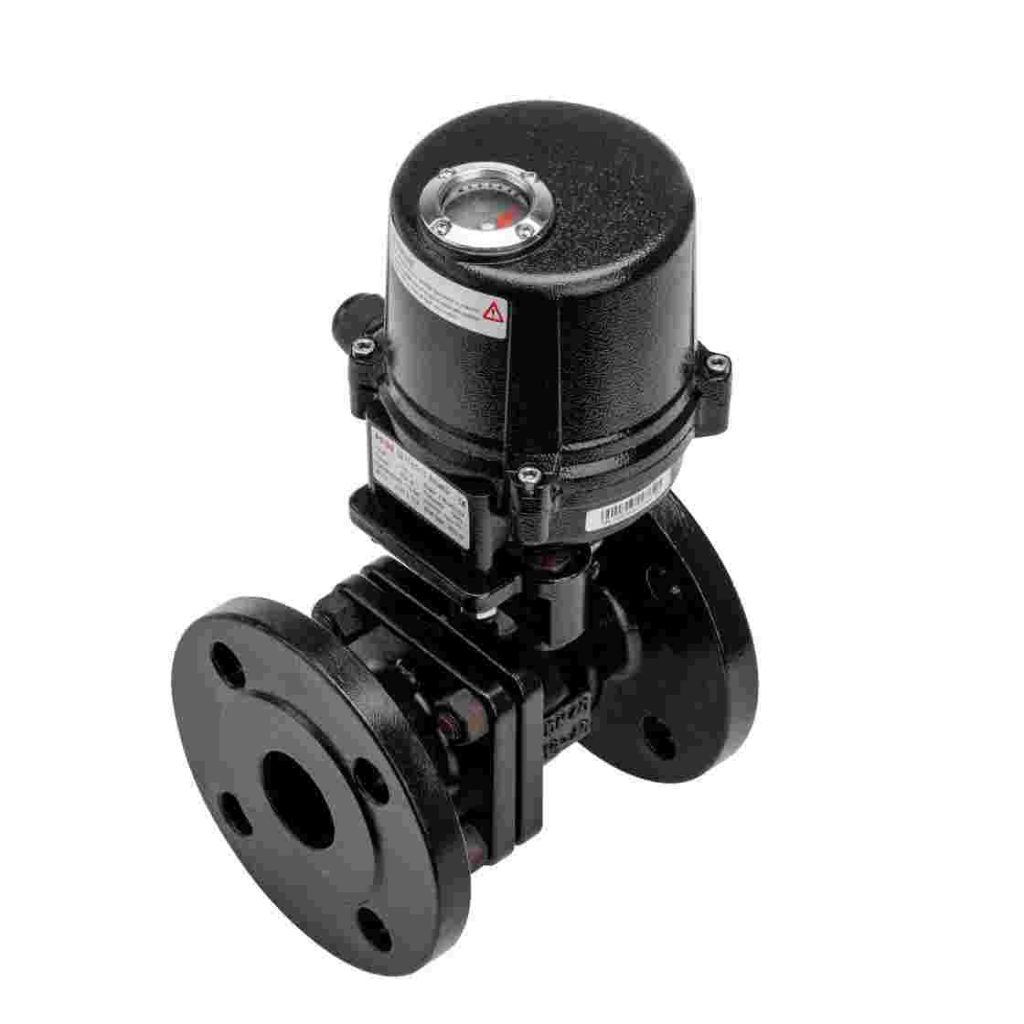
What is an Electric High Temperature Ball Valve?
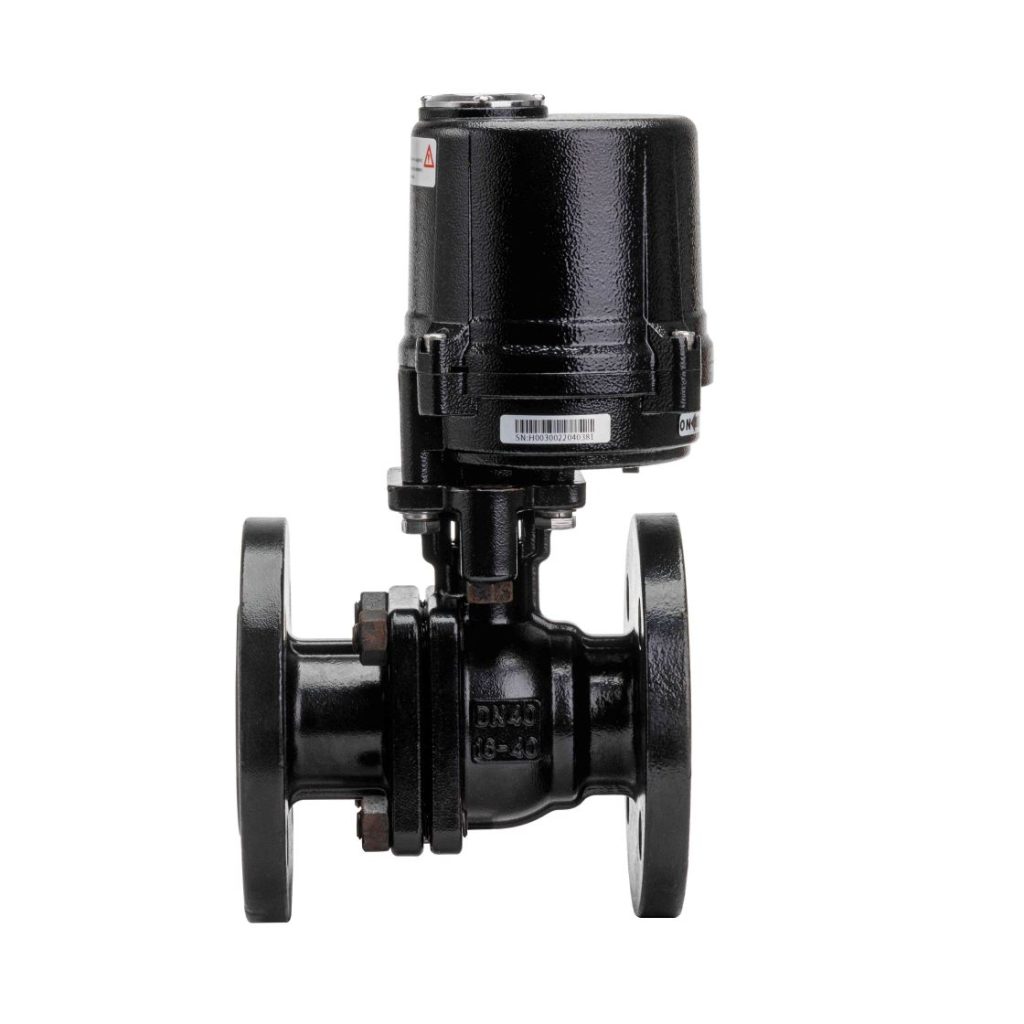
An electric high-temperature ball valve is a type of quarter-turn valve that utilizes an electric actuator to control the opening and closing of a ball. The valve is designed to withstand extreme temperatures, typically ranging from 200°C to 550°C, and is made from materials capable of withstanding thermal stresses, such as stainless steel or special alloys. The electric actuator drives the valve’s ball to rotate by 90°, offering a reliable and rapid means of regulating fluid flow in high-temperature environments. Key Features and Benefits High-Temperature Resistance The primary advantage of electric high-temperature ball valves is their ability to handle high-temperature fluids. They are constructed from materials such as stainless steel, carbon steel, or alloy steel, which offer excellent thermal resistance. Additionally, high-temperature seals made from PTFE (Polytetrafluoroethylene) or metal are used to prevent leaks and maintain the integrity of the valve under extreme conditions.