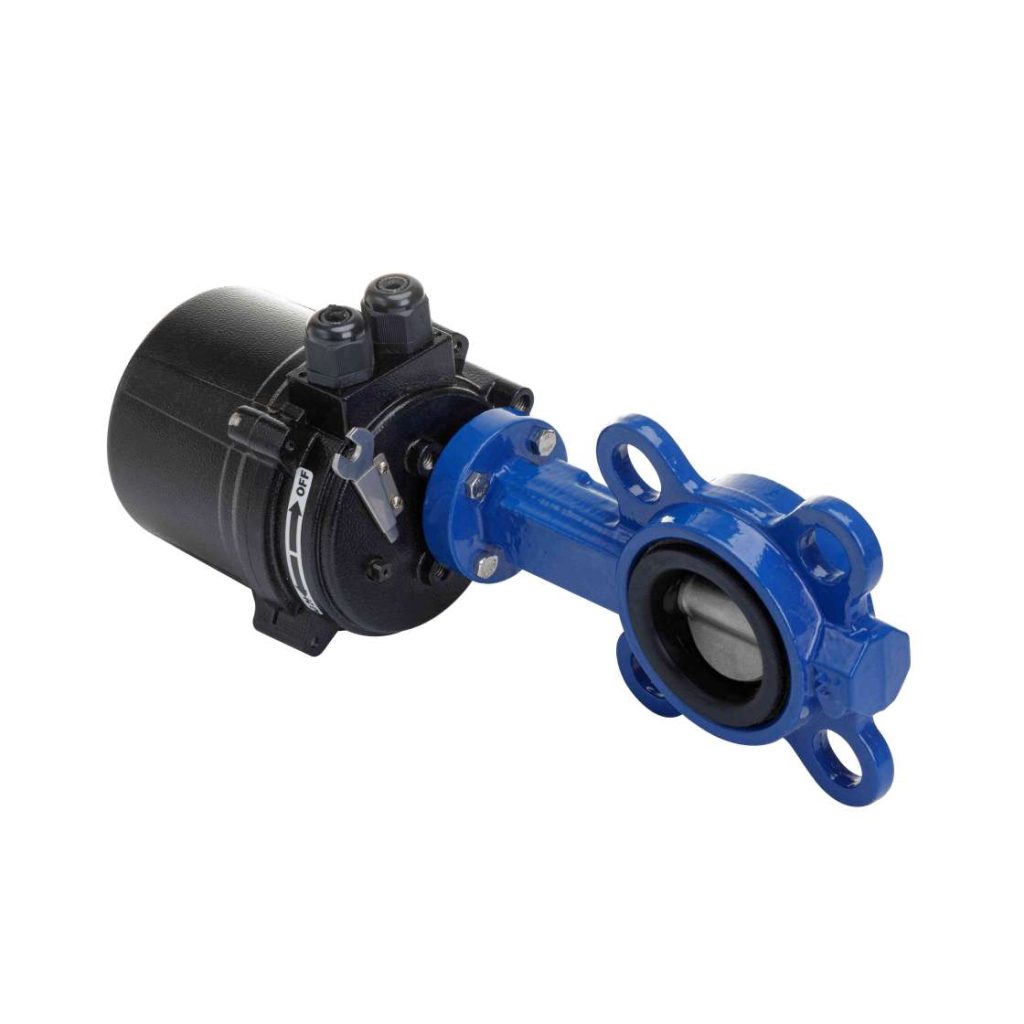
The electric butterfly valve has become a crucial component in modern fluid control systems. Known for its efficient design and cost-effectiveness, this valve type is widely used in various industries, including water treatment, HVAC systems, chemical processing, and the oil and gas sector. In this article, we will explore the working principles, applications, benefits, and key features of the electric butterfly valve, shedding light on why it has become the go-to solution for many fluid regulation tasks.
Working Principle
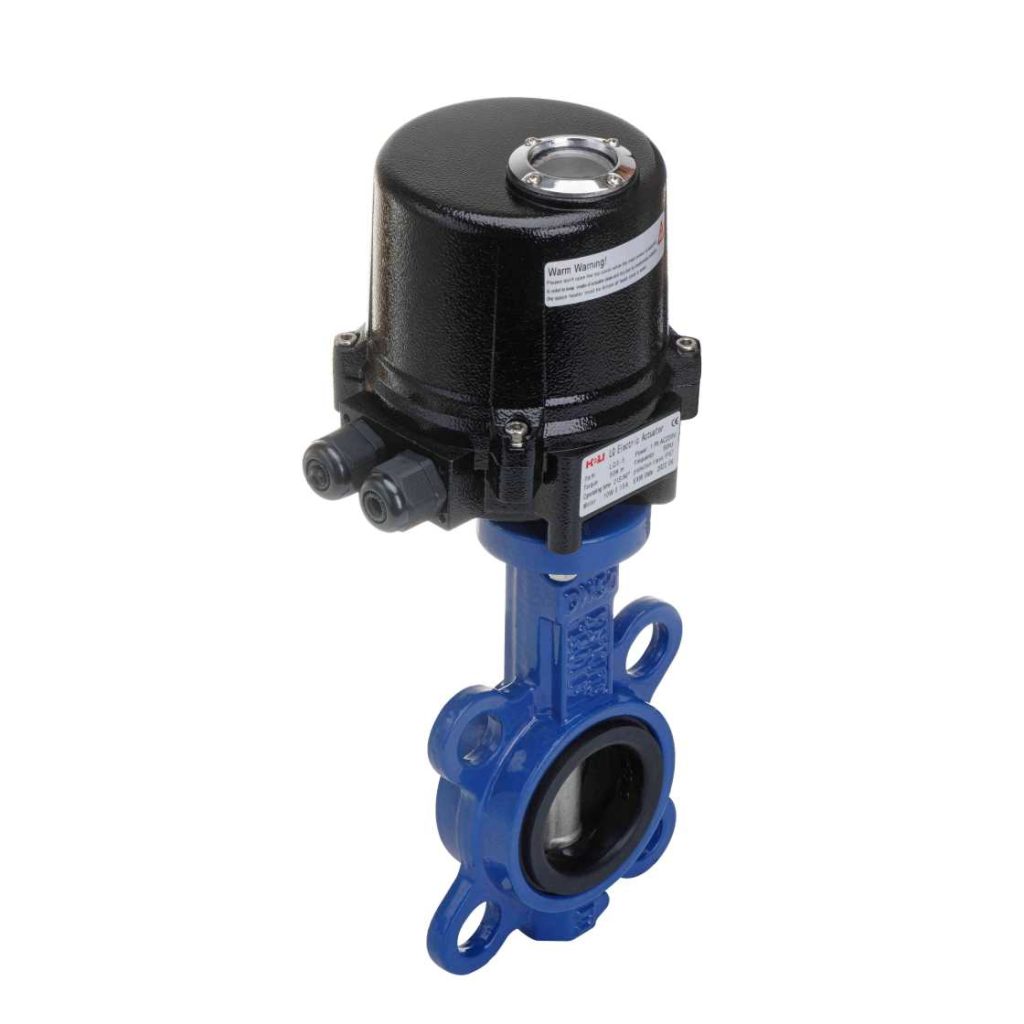
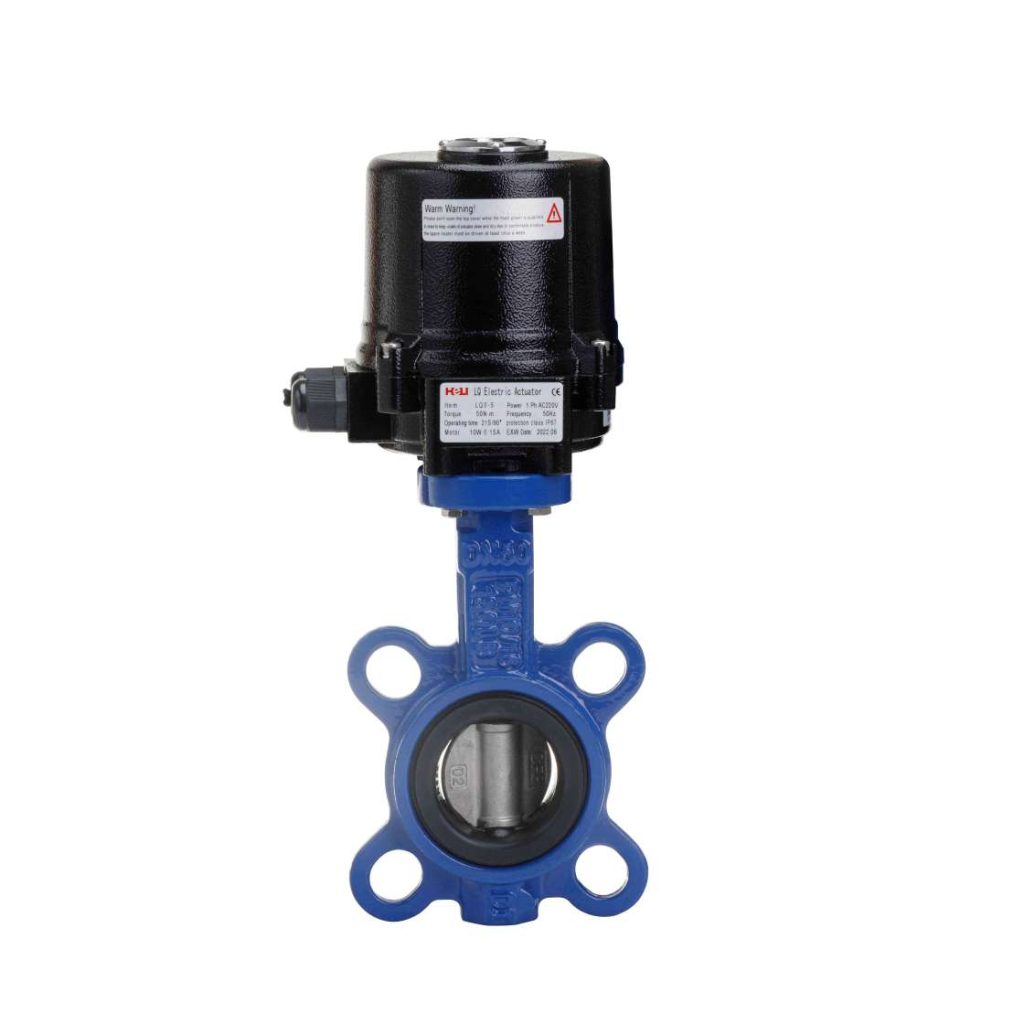
The electric butterfly valve consists of a disc, typically made of metal, that is mounted on a rotating shaft. This disc acts as a barrier to fluid flow within a pipe, and its rotation regulates the volume of fluid passing through. The valve is controlled by an electric actuator, which rotates the disc either to the fully open or fully closed position, depending on the desired flow rate. The electric actuator receives signals from a control system, such as a PLC (Programmable Logic Controller), which adjusts the valve’s position based on real-time system demands. This precise control ensures that fluid flow can be finely tuned, making the electric butterfly valve suitable for automated environments and remote control operations.