Compact solenoid valves are pivotal in modern fluid control systems due to their efficient operation, space-saving design, and ability to work with both gases and liquids. Their compact nature and reliability have made them a cornerstone in a variety of industries, including automation, automotive, and medical equipment. As the demand for more efficient and compact solutions grows, understanding the principles, advantages, and applications of compact solenoid valves is essential for engineers and industry professionals seeking to optimize their systems.
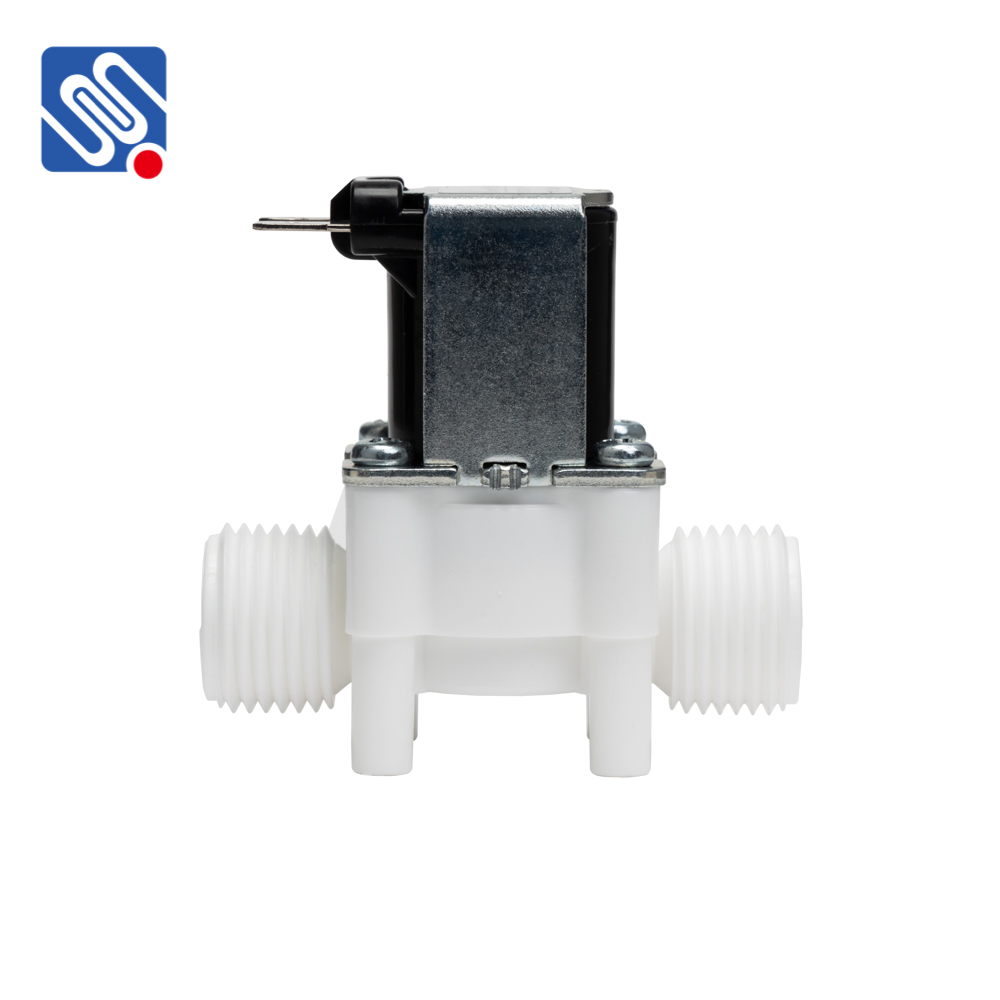
What is a Compact Solenoid Valve? A solenoid valve is an electromechanical device that controls the flow of fluids (liquids or gases) through a system by using an electromagnetic coil. The valve opens or closes depending on the current supplied to the coil, which creates a magnetic field that moves a plunger or diaphragm, altering the flow path. A compact solenoid valve, as the name suggests, is a smaller, more compact version of traditional solenoid valves, designed to fit into tight spaces without sacrificing functionality. These valves are especially beneficial in systems where space is limited, and efficient, high-performance control is necessary.