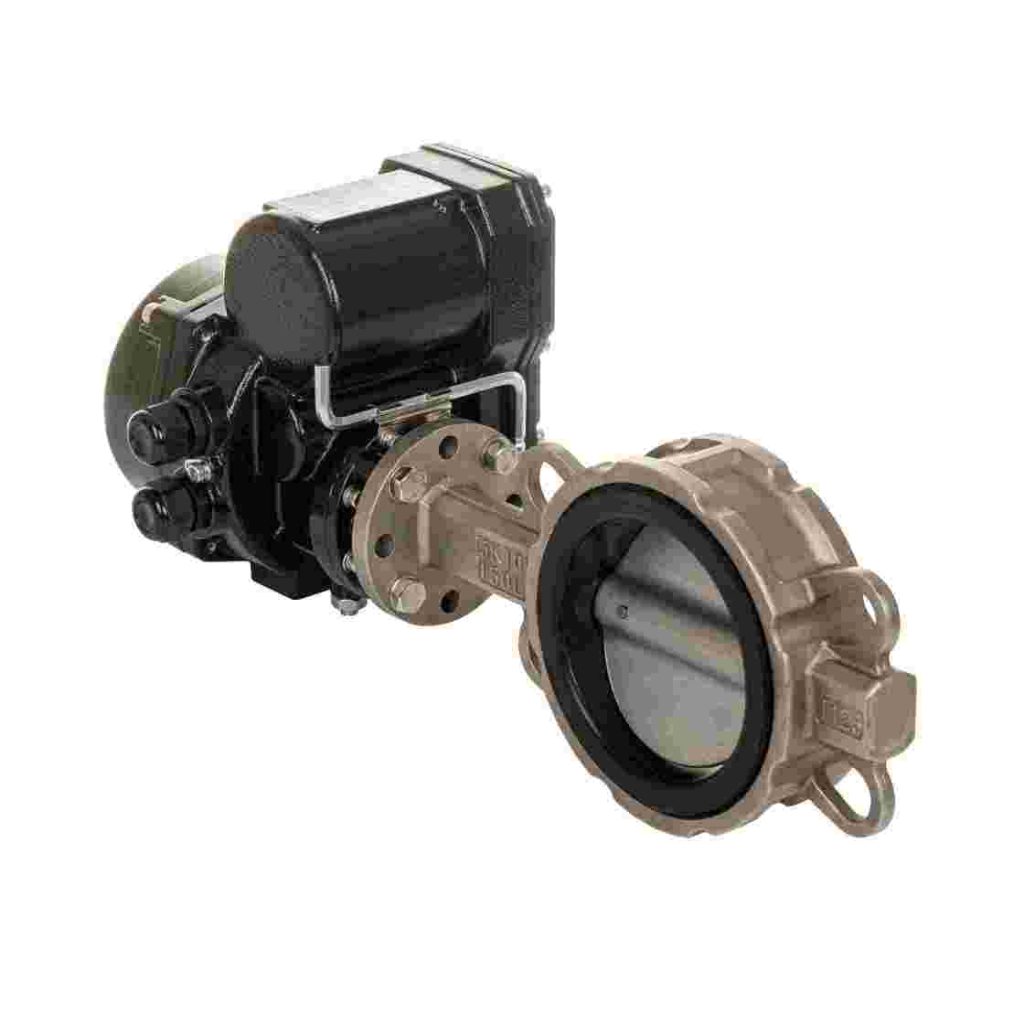
In recent years, the integration of electric actuation and innovative sealing technologies has revolutionized the field of fluid control. Among these advancements, the Lithium battery electric flanged soft seal butterfly valve stands out as a crucial component across various industries. This article aims to provide a comprehensive overview of this versatile valve, exploring its design, functionality, applications, and benefits.
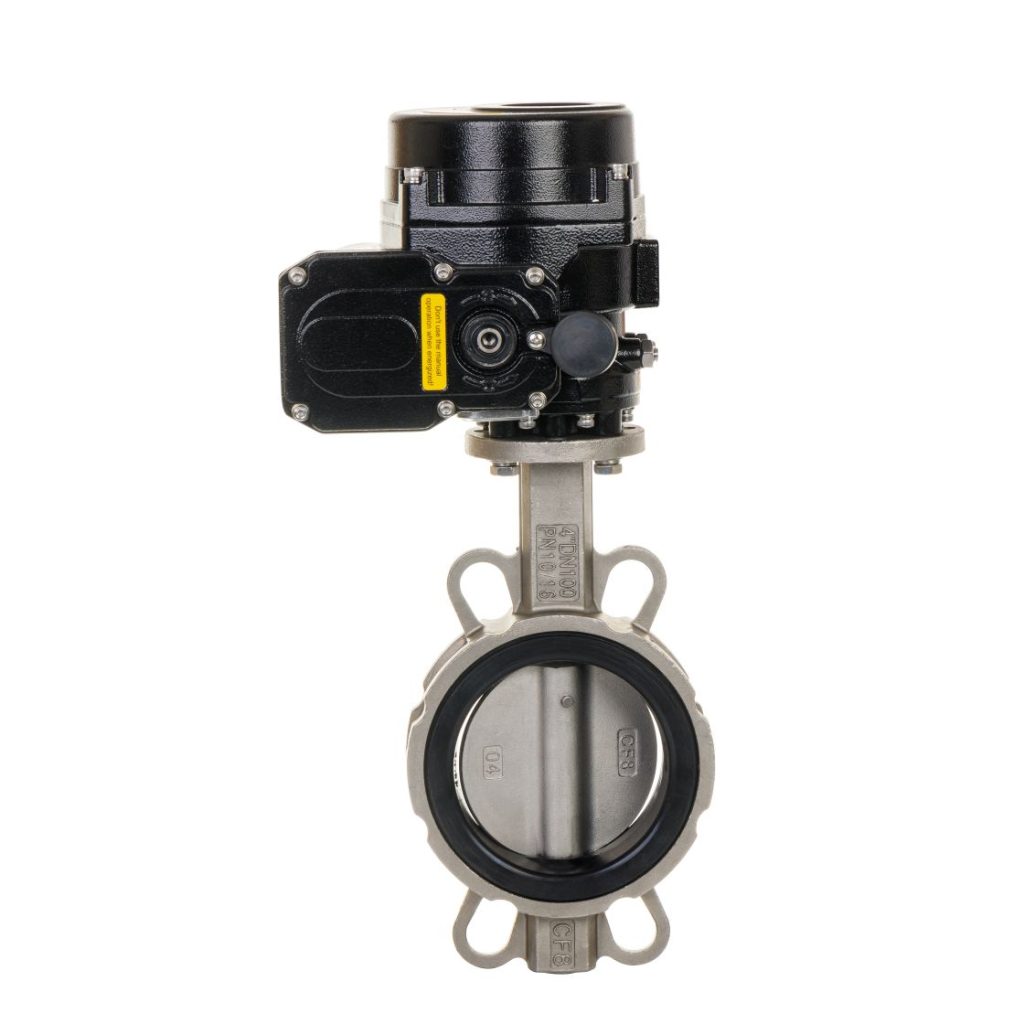
Understanding the Butterfly Valve Mechanism
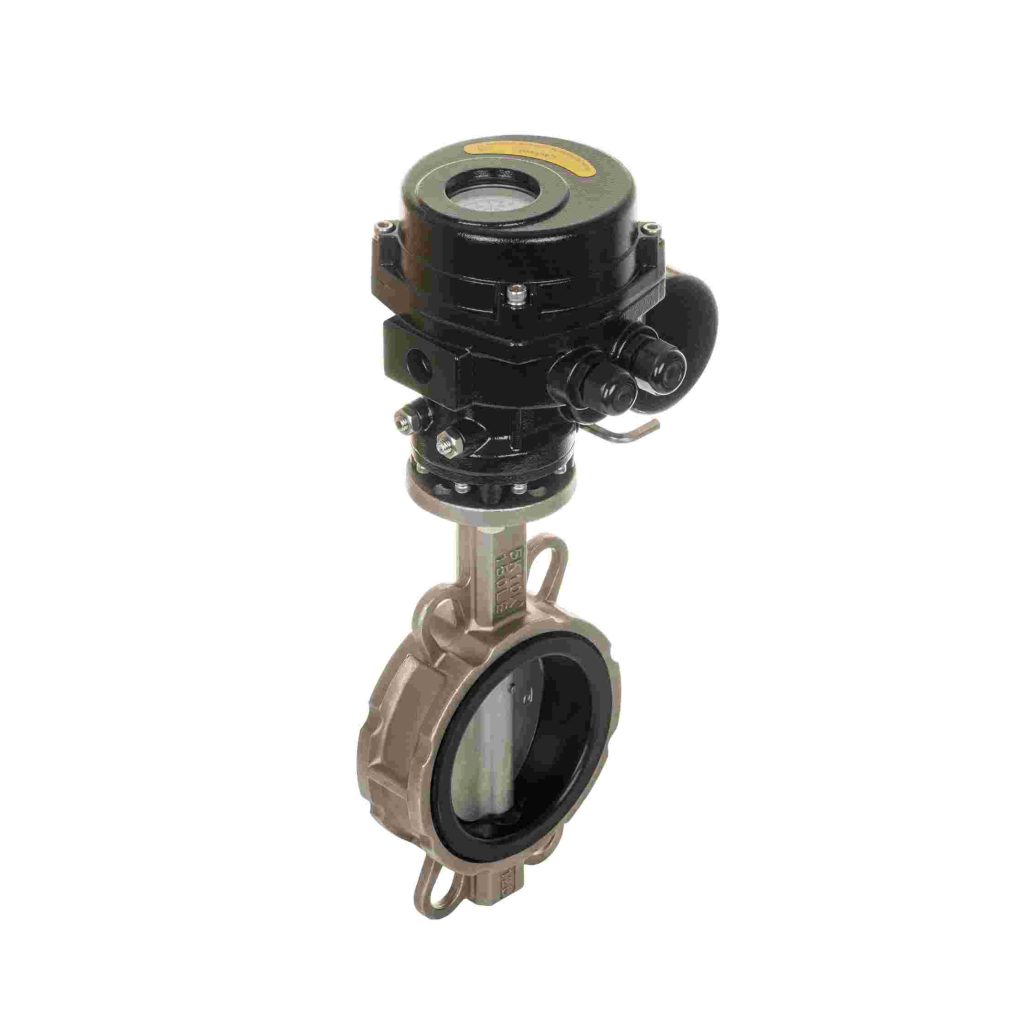
The butterfly valve operates on a simple yet effective principle. Its primary component is a round disc or “butterfly,” which rotates around a central shaft to regulate the flow of fluids. When the valve is in the open position, the disc is parallel to the flow, allowing maximum fluid passage. Conversely, when closed, the disc is perpendicular to the flow, effectively blocking it. This efficient design allows for rapid operation, making it a preferred choice for many applications where space is limited. The Role of Soft Sealing Soft-sealed butterfly valves utilize a soft, elastic material—often rubber or polymer—for their sealing element. This design enables an excellent sealing performance, which is particularly advantageous in low to medium pressure applications. The soft materials conform well to the valve disc, ensuring that leaks are minimized, thereby enhancing the overall efficiency of fluid transport systems.