The demand for high-quality electric two-seat regulating valves continues to rise as industries worldwide seek to enhance operational efficiency and precision. These valves play a crucial role in regulating the flow of fluids in various systems, from power plants to chemical factories, and their performance is vital for maintaining optimal conditions in production processes. In this highly competitive market, Original Design Manufacturer (ODM) companies are becoming indispensable partners for businesses that need customized, reliable solutions. One such key player in the field is HeLi Automation, a trusted ODM manufacturer specializing in electric two-seat regulating valves.
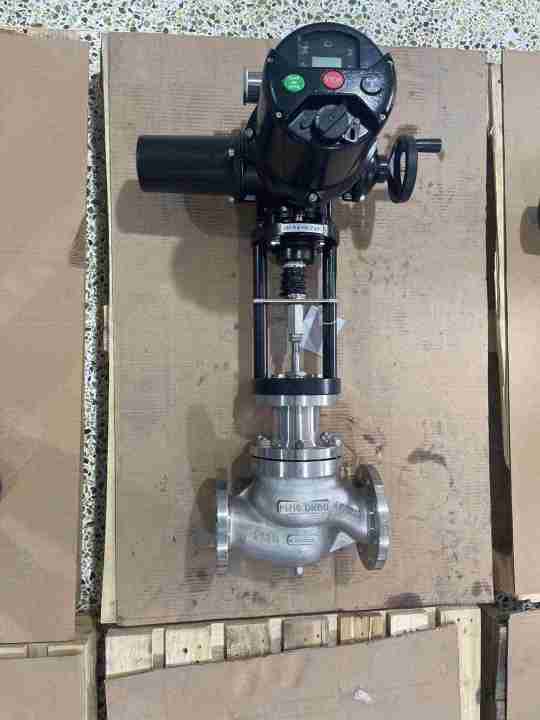
Understanding Electric Two-Seat Regulating Valves Electric two-seat regulating valves are devices designed to precisely control the flow of liquids or gases in a pipeline. These valves consist of two seats (or sealing surfaces) and are operated by an electric actuator, making them ideal for automatic control applications. The electric actuator enables easy and accurate adjustments based on control signals, which is essential for systems requiring high levels of precision and reliability. The design of electric two-seat regulating valves allows them to handle varying pressures and temperatures, making them versatile across different industries, such as power generation, chemical processing, oil and gas, water treatment, and HVAC systems. The two-seat configuration provides high shut-off capability, ensuring minimal leakage and optimal flow control.