The Stainless Steel Electric Single Seat Regulating Valve is a vital component in modern industrial systems, offering precise flow control for a wide range of applications. These valves, constructed from durable stainless steel and powered by electric actuators, are used extensively in sectors like chemical processing, HVAC systems, water treatment, and food processing. This article explores the key features, benefits, and applications of this valve, shedding light on why it is a go-to solution for regulating fluid flow.
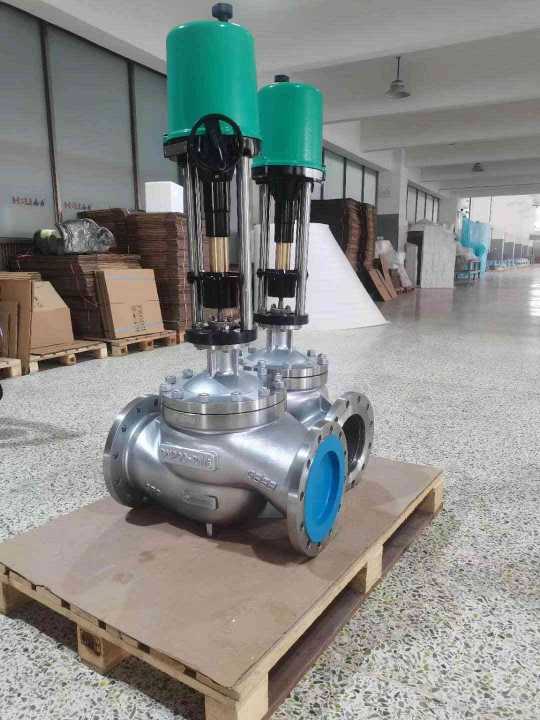
What is a Stainless Steel Electric Single Seat Regulating Valve? A Stainless Steel Electric Single Seat Regulating Valve is a specialized valve designed to regulate the flow of liquids, gases, or steam in various pipeline systems. The “single seat” design means the valve has a single, sealing surface that ensures a tight shut-off when closed. The valve is operated by an electric actuator that adjusts its position based on the control signals it receives from a process automation system, such as a PLC (Programmable Logic Controller) or DCS (Distributed Control System). The body of these valves is made from stainless steel, which offers exceptional resistance to corrosion, high temperatures, and pressure. This construction makes them ideal for environments where the valve is exposed to aggressive chemicals, high-flow rates, or extreme operating conditions.