Solenoid valves play a critical role in the control of liquids in various industrial and commercial applications. The solenoid valve for liquid control is designed to automate the flow of liquids, ensuring precision and efficiency in operations. This article explores the functionalities, applications, types, advantages, and considerations for solenoid valves in liquid control.
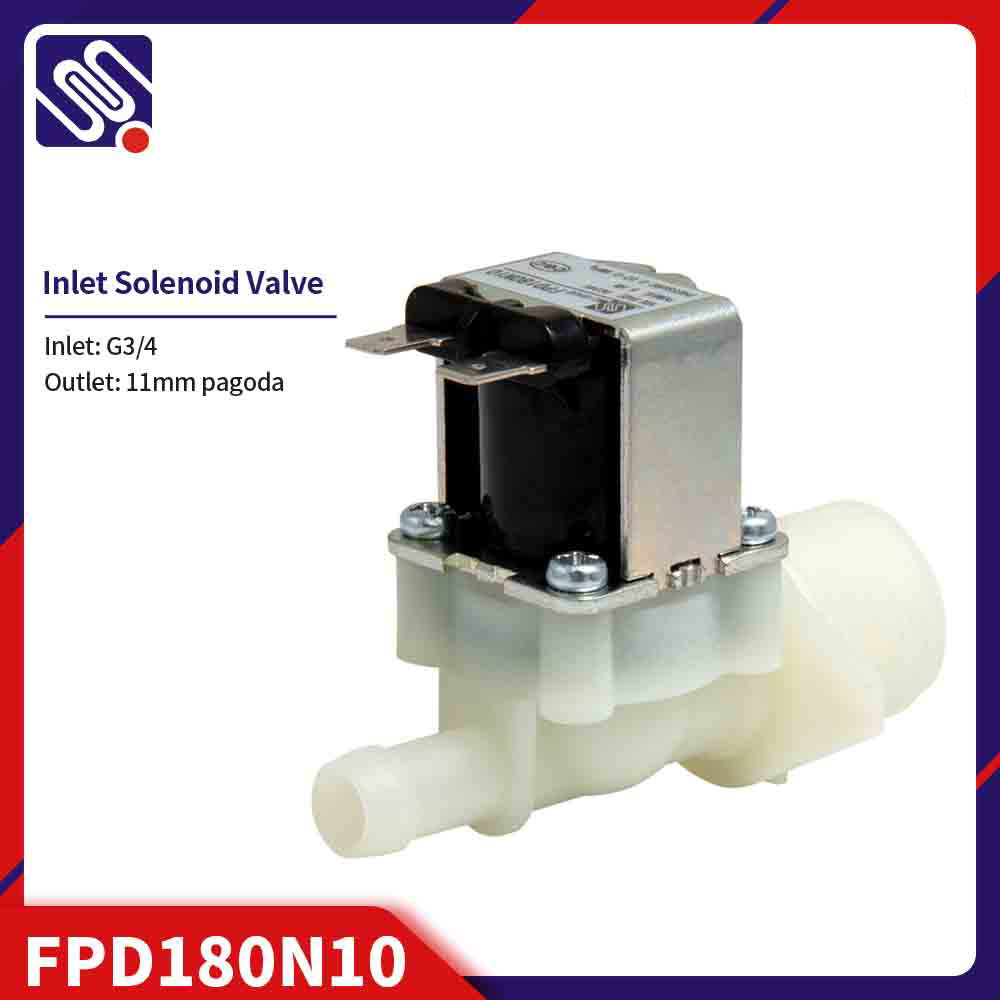
Functionality of Solenoid Valve At its core, a solenoid valve operates using electromagnetic principles. It consists of an electromagnetic coil, a movable core or plunger, and a valve body. When an electric current passes through the coil, it generates a magnetic field that pulls the plunger towards the coil. This movement opens or closes the valve, allowing or restricting the flow of liquid. The valves can be categorized primarily into two types: normally closed (NC) and normally open (NO). In an NC valve, the flow is halted when the electricity is off. Conversely, an NO valve remains open until the power supply is activated.