Relays are essential components in modern electrical and electronic systems, serving as switches that allow low-power circuits to control high-power ones. When selecting a relay, one of the most important factors to consider is its voltage rating, which determines the maximum voltage the relay can handle safely without damage. In this article, we will explore the concept of relay voltage rating, its significance, and the key factors to consider when choosing a relay for your applications.
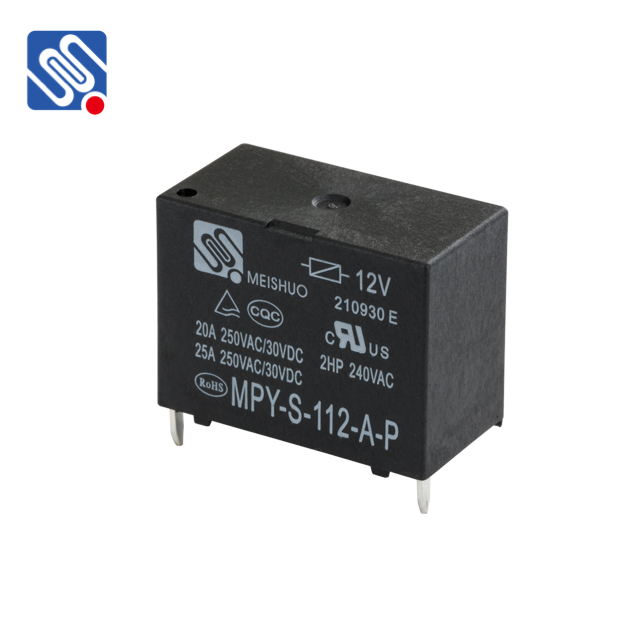
What is Relay Voltage Rating? The relay voltage rating refers to the maximum voltage a relay can safely handle in both its coil and contact parts. A relay typically has two primary voltage ratings: Coil Voltage Rating: This is the voltage required to activate the relay by energizing the coil. The coil voltage is what drives the electromagnet inside the relay to close or open the switch. It can either be direct current (DC) or alternating current (AC) depending on the relay type. For example, a 12V DC relay would require a 12-volt direct current supply to operate. Contact Voltage Rating: This refers to the maximum voltage that the relay’s contacts can switch or carry without damaging the relay. These ratings are typically given for both AC and DC loads, and they indicate the highest voltage that can be safely switched. For example, a relay rated for 250V AC or 30V DC means that it can safely switch those respective voltages without risk of failure.