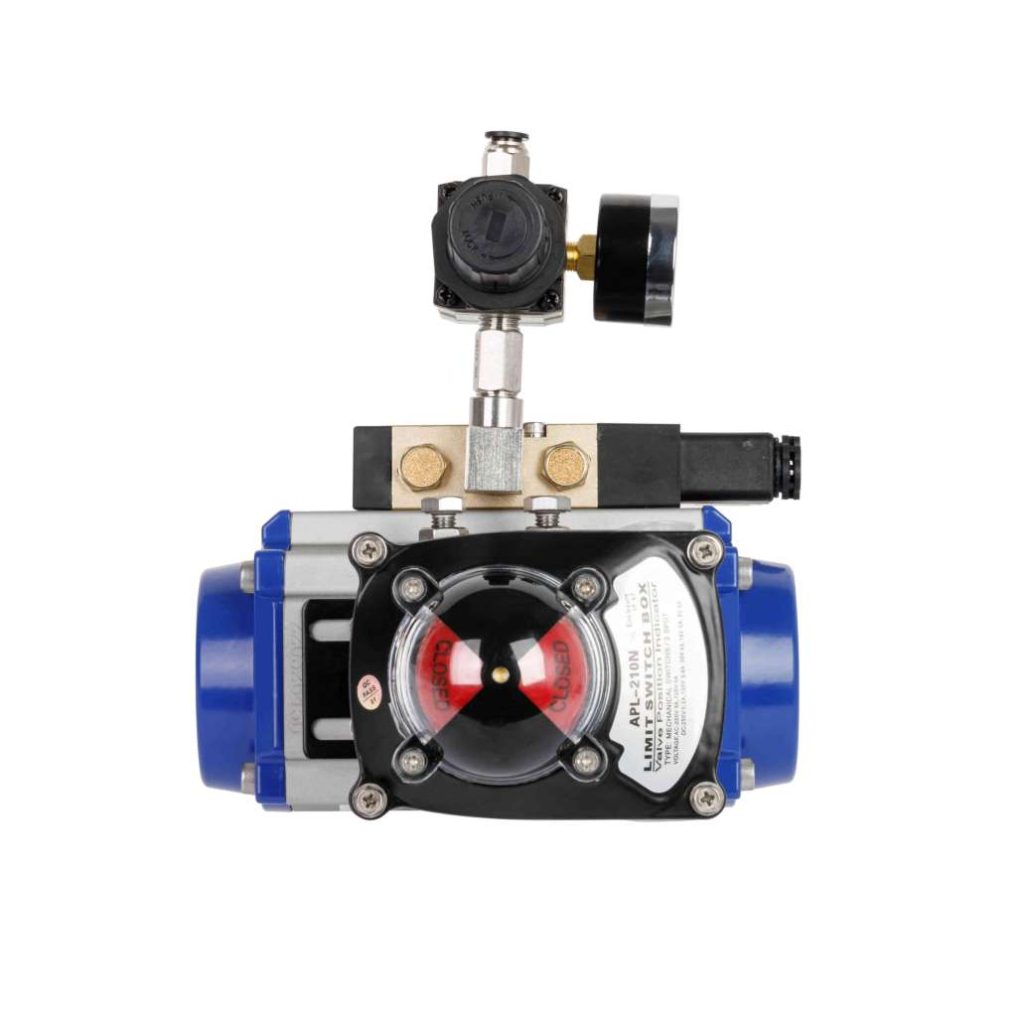
Pneumatic actuators are vital components in various industrial and automation systems. These devices convert compressed air into mechanical motion, offering a wide range of applications across many sectors. Known for their speed, simplicity, and cost-effectiveness, pneumatic actuators play a pivotal role in enabling machines to perform tasks that require precision, force, and speed. In this article, we will explore the working principle, types, advantages, and common applications of pneumatic actuators.
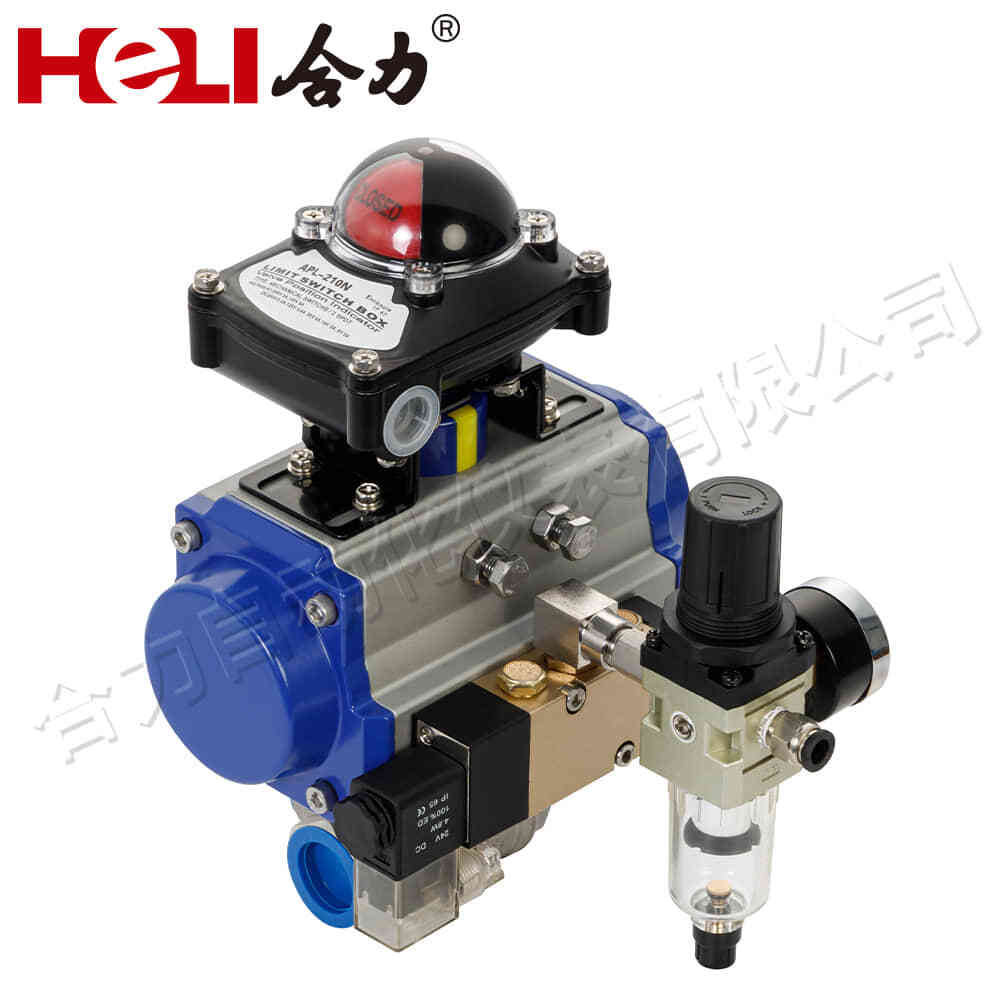
What is a Pneumatic Actuator?
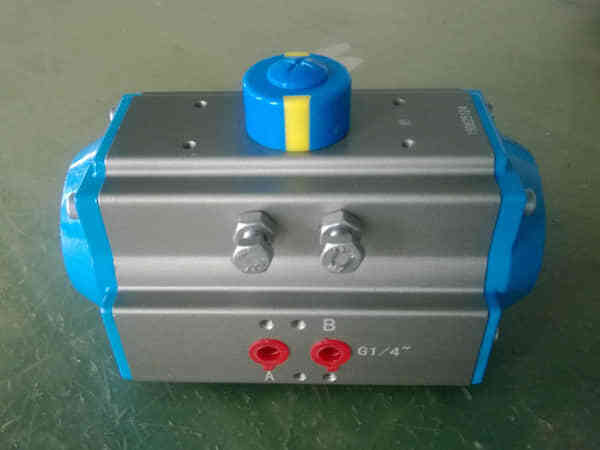
A pneumatic actuator is a mechanical device that uses compressed air to produce motion. By controlling the flow of air into a chamber, the actuator causes a piston or diaphragm to move, which in turn drives mechanical movements in an associated system. The motion produced by pneumatic actuators can be linear or rotary, depending on the design of the actuator. Pneumatic actuators are commonly used in industrial automation, robotics, material handling, and even in some consumer applications where a fast, simple solution is required for movement. Working Principle of Pneumatic Actuators The basic working principle behind pneumatic actuators is relatively simple. Compressed air is supplied to the actuator via a valve. Inside the actuator, air pressure is applied to a piston or diaphragm, which moves in response to the force exerted by the air. The actuator is typically enclosed in a cylinder, with one or more air ports for air intake and exhaust.