In today’s globalized industrial landscape, the safety of workers and the integrity of machinery have become critical concerns for businesses in every sector. This is especially true in the field of electrical equipment, where improper handling can lead to serious accidents. One of the essential safety measures employed in industrial settings is the use of lockout/tagout (LOTO) devices, which are designed to prevent the accidental energization of machinery during maintenance and repair. In this context, the role of a China Electrical Equipment Lockouts ODM manufacturer becomes increasingly significant.
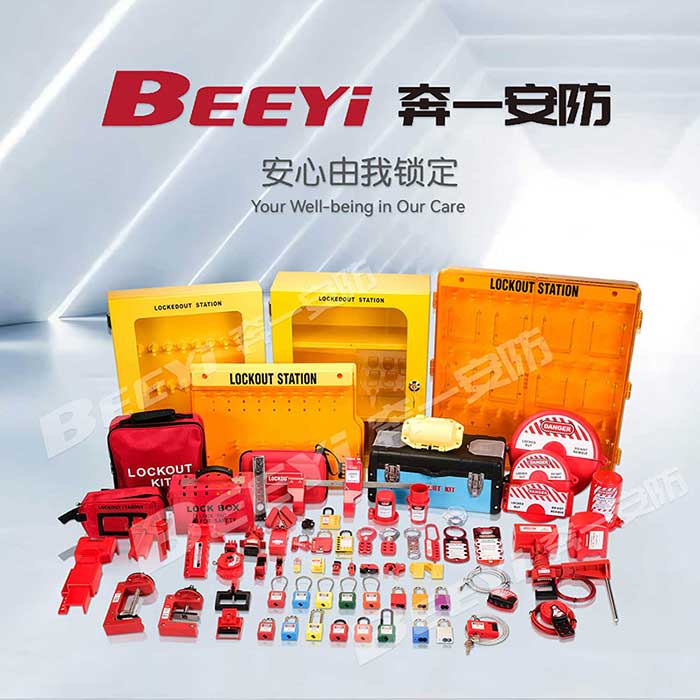
The Importance of Lockout Devices Lockout/tagout devices are safety mechanisms that ensure electrical equipment is properly shut down and cannot be started up again before maintenance work is completed. These devices fall under stringent regulatory standards, including the Occupational Safety and Health Administration (OSHA) regulations in the United States, which necessitate their use in various industries. Companies across the globe rely on these devices to comply with safety regulations, protect their workforce, and avoid costly accidents. The Role of ODM Manufacturers ODM (Original Design Manufacturer) is a term used to describe companies that design and manufacture products based on another company’s specifications. For electrical equipment lockouts, ODM manufacturers not only produce the products but also engage in product design, thereby offering customized solutions according to client needs. This unique value proposition allows businesses to leverage the expertise of ODM manufacturers to create tailored safety solutions that meet specific operational requirements.