Relays are vital components in electrical and electronic systems, acting as a switch to control various circuits. Whether in industrial machinery, automotive systems, or home automation, selecting the right relay is crucial for ensuring reliable performance and longevity. This relay procurement guide outlines essential considerations and factors to evaluate when sourcing relays for specific applications.
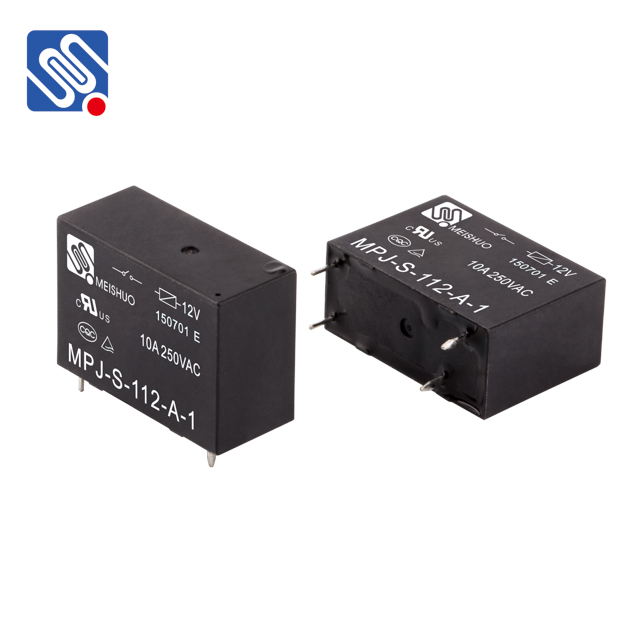
Understanding Relays and Their Functionality A relay is an electrically operated switch that uses an electromagnet to mechanically operate a set of contacts. In simple terms, it allows a low-power signal to control a high-power circuit. The primary purpose of a relay is to open or close a set of contacts, enabling the control of circuits without direct human intervention. Relays come in various types, including electromechanical relays (EMRs), solid-state relays (SSRs), time delay relays, thermal relays, and reed relays, each designed for specific applications. The selection of the appropriate relay depends on the operational requirements, such as current, voltage, speed, and environmental conditions.