Relay manufacturing companies play a pivotal role in the advancement and functionality of electronic systems across various industries. As critical components within electrical circuits, relays act as switches that control the flow of current, enabling the automation and control of numerous devices. This article delves into the evolution of relay manufacturing companies, their innovative contributions to technology, and their significant impacts on modern society.
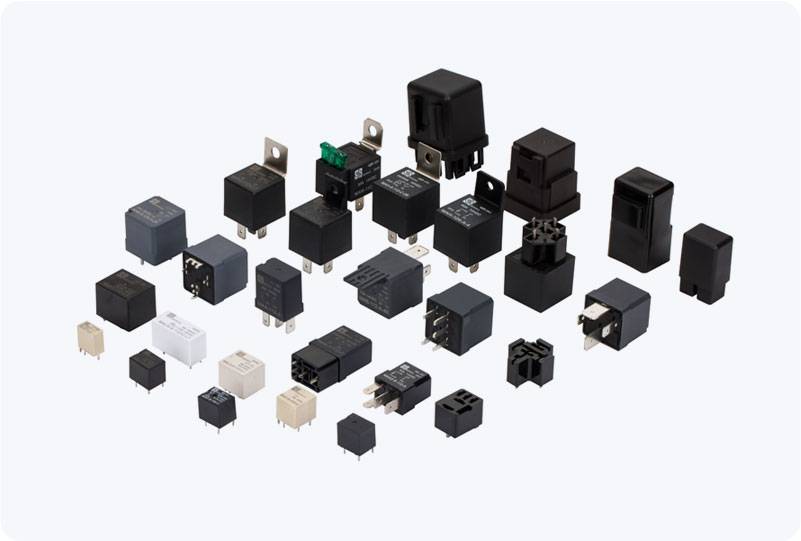
The Historical Context of Relay Manufacturing The concept of the relay originated in the mid-19th century, primarily developed to enhance the capabilities of telegraph systems. Initially, these electromechanical devices allowed for signal amplification over long distances, facilitating communication. As technological advancements unfolded, particularly during the Industrial Revolution, the availability and applications of relays expanded. By the 20th century, relay manufacturing companies began to emerge as key players in various sectors, including automotive, telecommunications, and industrial automation. The demand for reliable and efficient relays surged, prompting manufacturers to innovate and refine their designs. The introduction of solid-state relays in the latter half of the century marked a significant milestone, transforming the industry with benefits such as quicker switching times and greater durability.