In today’s rapidly evolving technological landscape, low voltage solenoid valves have emerged as critical components in a wide range of applications. These devices not only enhance the efficiency and reliability of systems but also offer significant advantages in terms of safety and power consumption. Understanding the functionality, features, and applications of low voltage solenoid valves can illuminate their importance in various industries.
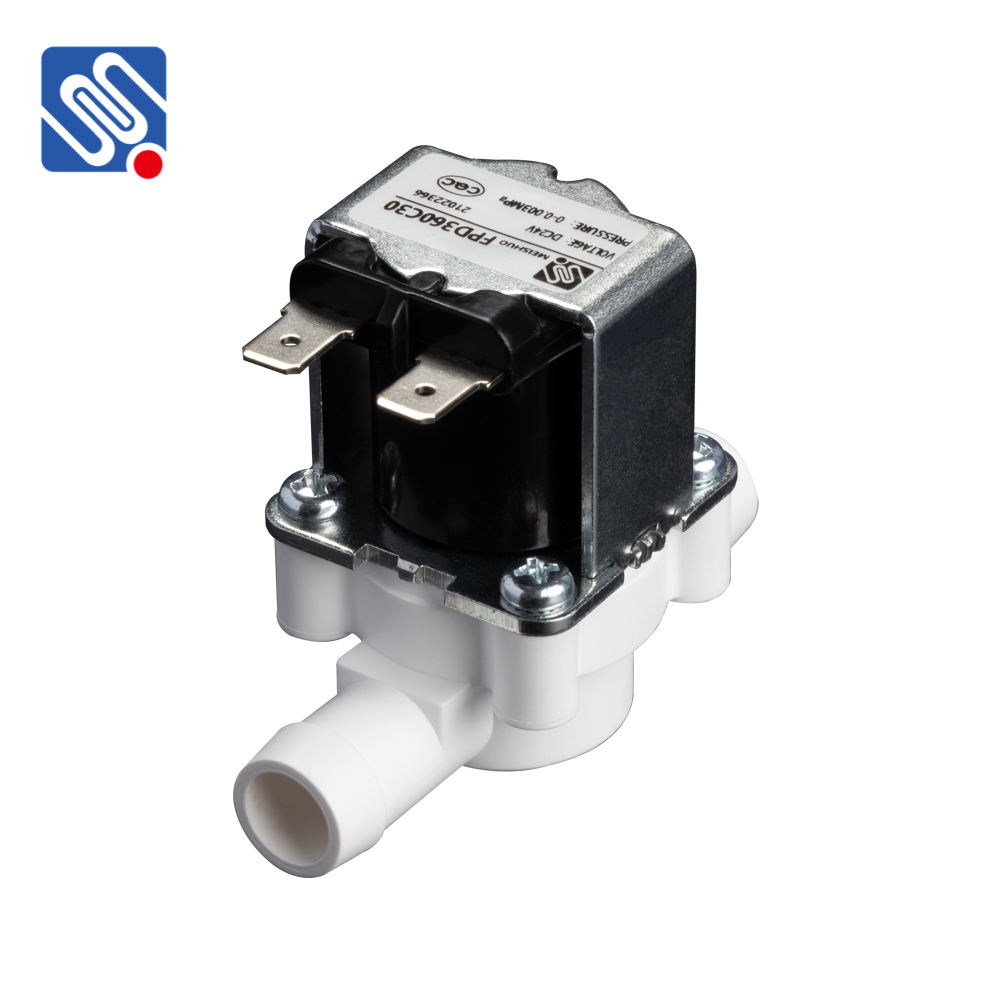
What is a Low Voltage Solenoid Valve? A low voltage solenoid valve is an electromechanical device used to control the flow of liquids and gases. It operates on the principle of electromagnetism, where an electric current passing through a coil generates a magnetic field that acts on a movable iron plunger or armature. When the coil is energized, the plunger moves, either opening or closing the valve, thus regulating fluid flow. The term “low voltage” typically refers to operating voltages of 12V or 24V, making these valves safer and more energy-efficient compared to their higher voltage counterparts.