As the automotive industry embraces the transition toward electric mobility, the importance of advanced components has become increasingly apparent. One such critical component is the High Voltage DC Relay (HVDC Relay), which plays a pivotal role in the safety and efficiency of New Energy Vehicles (NEVs). This article explores the functionality, design considerations, safety features, and future trends associated with HVDC relays in the context of electric vehicles (EVs) and hybrid electric vehicles (HEVs).
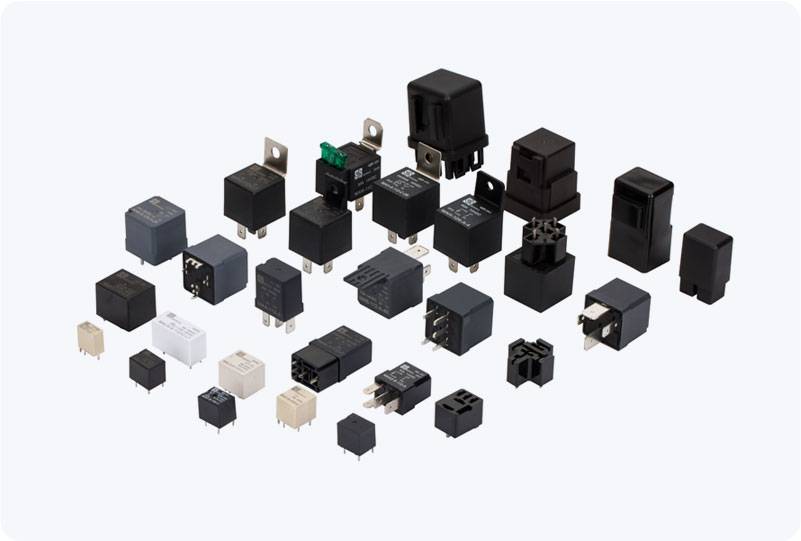
Understanding the High Voltage DC Relay At its core, a High Voltage DC Relay is an electromechanical switch that manages the flow of high-voltage direct current from the vehicle’s battery to various components such as the electric motor, charging system, and auxiliary systems. With battery voltages typically ranging from 300V to 800V in modern EVs, HVDC relays are engineered to handle significant electrical loads while ensuring reliable operation. Key Functions of HVDC Relays Battery Management: One primary function of HVDC relays is to control the connection and disconnection of the high-voltage battery pack. This capability is essential for operational efficiency, allowing the relay to engage power when required and cut off power during charging or in the event of a fault.