Industrial relays are crucial components in the field of automation and control systems, and among them, the 24V DC industrial relay stands out as one of the most commonly used types. These relays play a significant role in controlling electrical circuits and enabling complex systems to function smoothly. This article explores the importance, functionality, and application of the 24V DC industrial relay, shedding light on its essential characteristics and benefits.
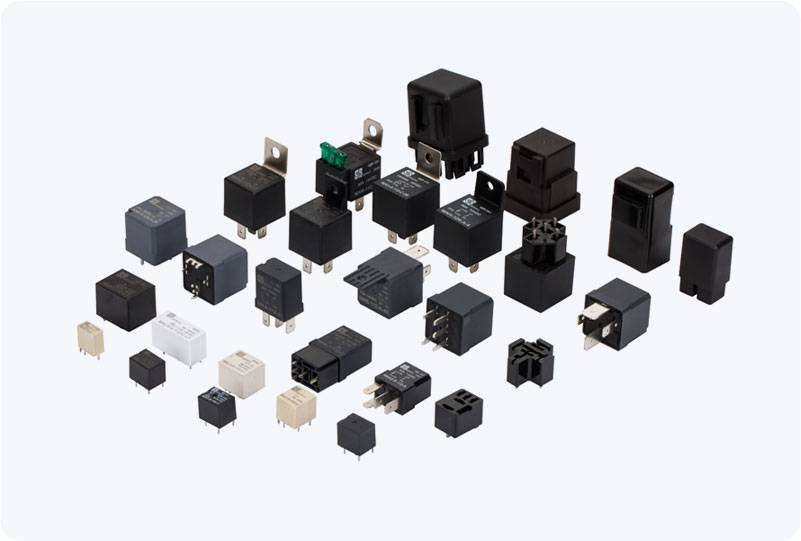
What is a 24V DC Industrial Relay? A 24V DC industrial relay is an electromechanical switch that allows the control of a high-power electrical circuit with a low-power signal, typically a 24V direct current (DC). The relay is activated by applying a voltage to its coil, which generates a magnetic field, causing the contacts of the relay to either close or open. This action controls the flow of electrical current in the main circuit. The most notable feature of a 24V DC relay is its 24-volt input voltage, which makes it ideal for various industrial applications where 24V DC is the standard control voltage. These relays are widely used in automation systems, where low voltage control circuits need to operate larger machines or systems that require higher voltage.