: Understanding Relay Drive: A Key Component in Modern Control Systems
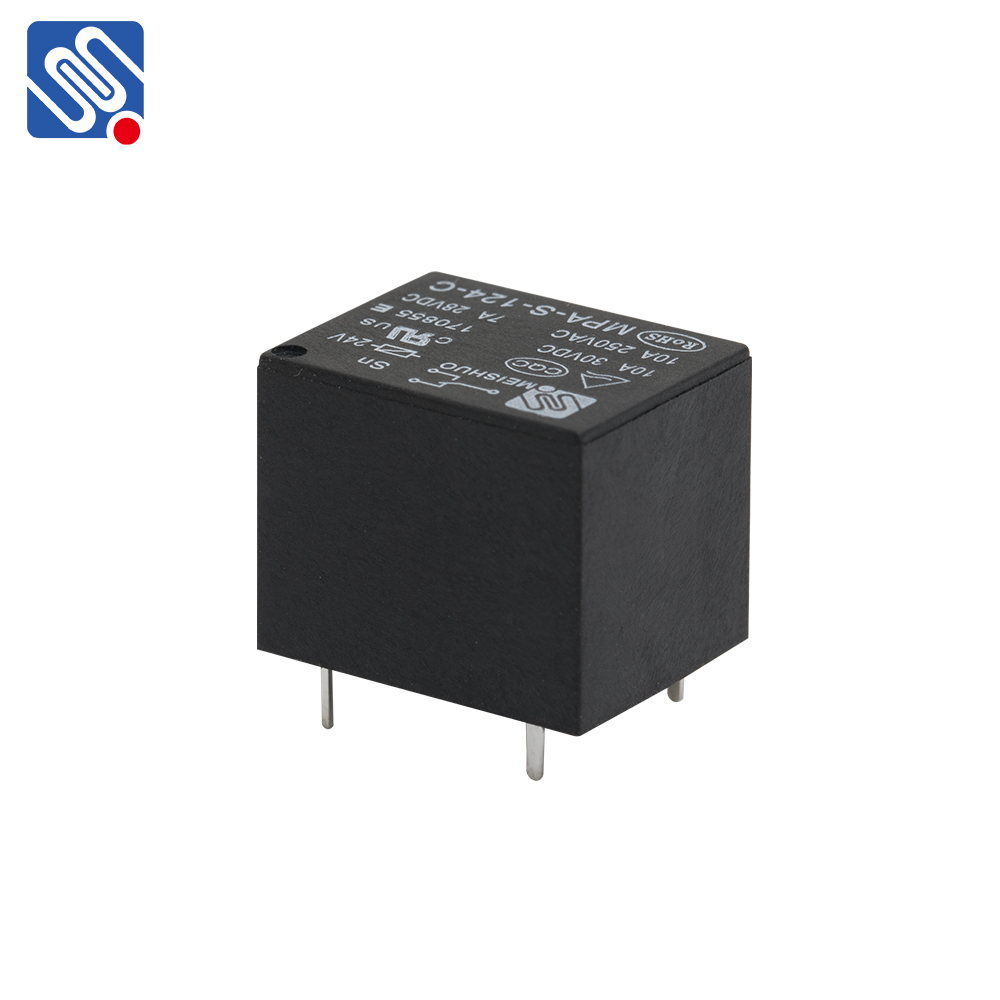
Relay drive is an essential concept in the world of electronics and automation, serving as a bridge between low-power control circuits and high-power devices. Fundamentally, a relay drive refers to a circuit or system that uses a relay to control the operation of another electrical load. By converting a small input signal into the activation of a larger load, relay drives enable safe, efficient, and flexible management of electrical devices. At its core, a relay is an electromechanical switch. It consists of a coil, an armature, and one or more contacts. When current flows through the coil, it generates a magnetic field that moves the armature, thereby opening or closing the contacts. This simple mechanism allows a low-power signal from a microcontroller, sensor, or switch to control devices requiring much higher current, such as motors, heaters, or industrial machinery. Without a relay drive, directly controlling high-power loads with sensitive electronics would risk damage to the control circuit and create safety hazards.