A one way solenoid valve is an integral component in many fluid control systems. This device is widely used in industries such as automation, hydraulics, and pneumatics, due to its ability to control the flow of fluids in one direction. The operation of a solenoid valve is controlled by electromagnetic force, allowing for precise flow regulation without manual intervention. In this article, we will explore the design, working principles, applications, and advantages of one way solenoid valves, providing insight into how they contribute to modern fluid management.
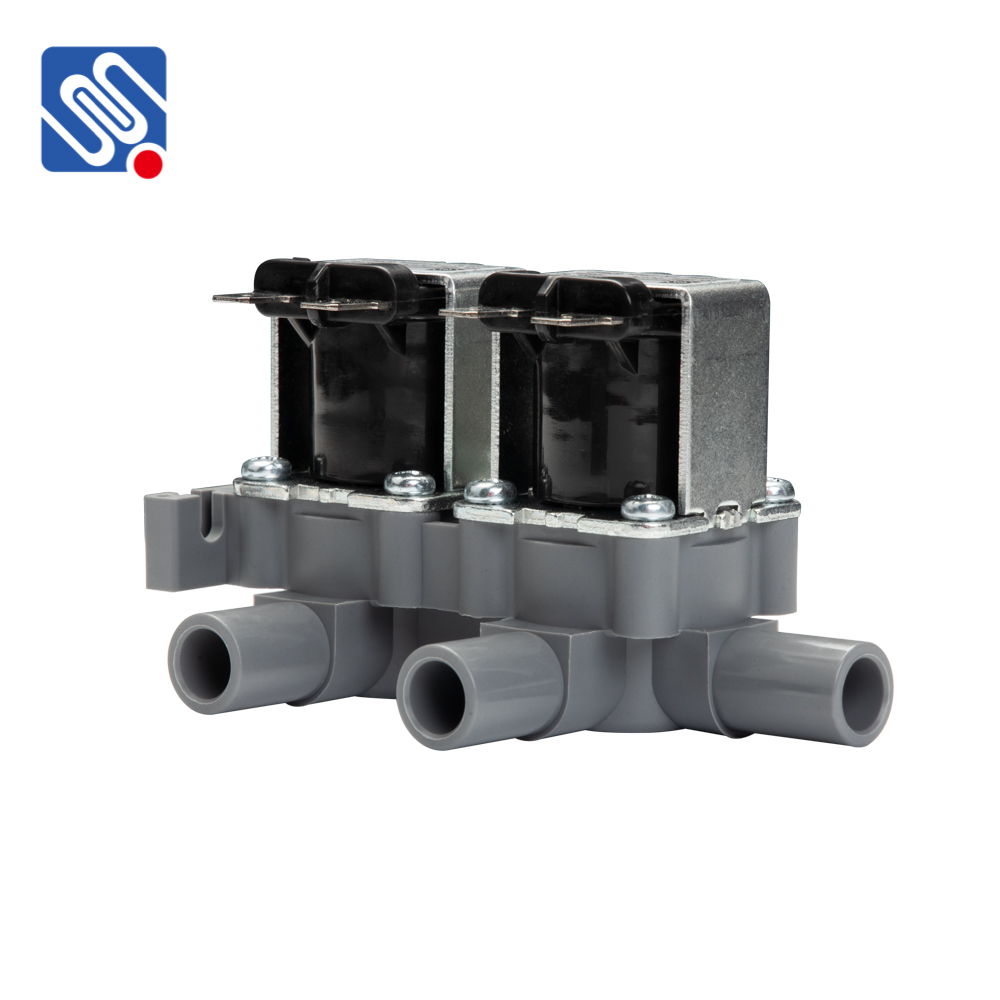
What is a One Way Solenoid Valve? A one way solenoid valve is a type of valve that permits the flow of fluid in only one direction, preventing backflow. This directional control is crucial for systems where the flow of a liquid or gas must be controlled and maintained in a single direction. The valve consists of an electromagnetic coil, which when energized, creates a magnetic field that actuates the valve mechanism to either open or close it. The valve typically comprises a solenoid (the electromagnetic coil), a core (which is movable), and a valve body with an inlet and outlet. The core of the valve is usually spring-loaded, ensuring that it remains closed when not energized. When the solenoid is activated, the magnetic field moves the core, allowing fluid to pass through the valve in one direction, while blocking reverse flow.