Relay connections play a pivotal role in the functioning of both electrical and networking systems. A relay, in its simplest form, is an electrically operated switch that allows a low-power signal to control a high-power circuit. It serves as a bridge, providing connectivity and control in complex systems, ranging from automation to telecommunications. In this article, we will explore the fundamental principles behind relay connections, their types, and their applications in both electrical circuits and network systems.
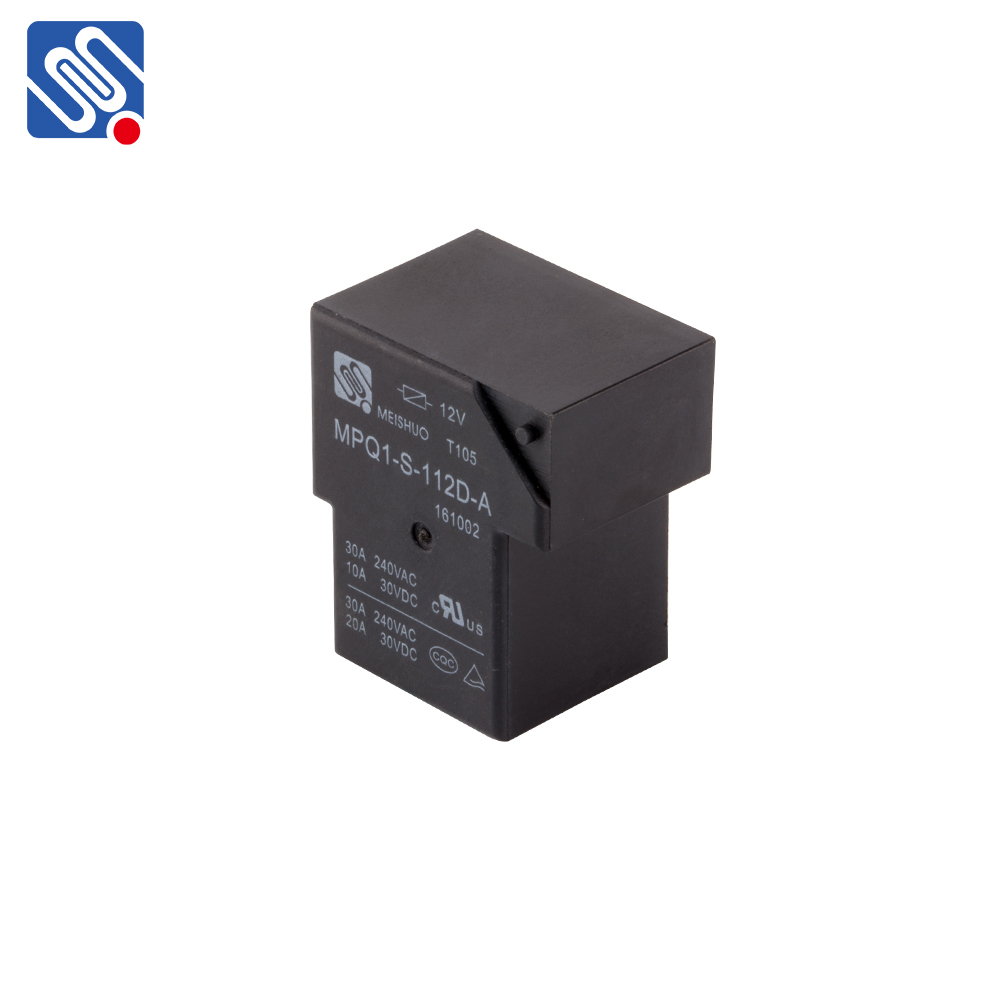
What Is a Relay? A relay is an electromechanical device that uses an electromagnet to open or close a set of contacts. The primary function of a relay is to switch electrical circuits on or off based on a control signal, typically from a low-voltage control system. The relay consists of three main components: the coil (electromagnet), the armature (movable part), and the contacts (fixed parts that control the circuit). When a control signal energizes the coil, it generates a magnetic field, which causes the armature to move and either open or close the contacts. This mechanism enables the relay to control the flow of current to a higher-power circuit using a low-power signal. This property makes relays extremely useful in controlling large machines, devices, or systems from a distance without directly manipulating high-voltage components.