In modern electrical and power systems, managing the initial charging of capacitors is crucial for ensuring the longevity and reliability of the components involved. One of the key methods employed to address this challenge is the Capacitor Precharge Circuit Relay. This circuit plays an essential role in systems where large capacitors are used to store energy, such as in uninterruptible power supplies (UPS), electric vehicles, and industrial power drives. By gradually charging the capacitors instead of applying full voltage immediately, it prevents damaging current surges that could harm sensitive equipment and compromise system stability.
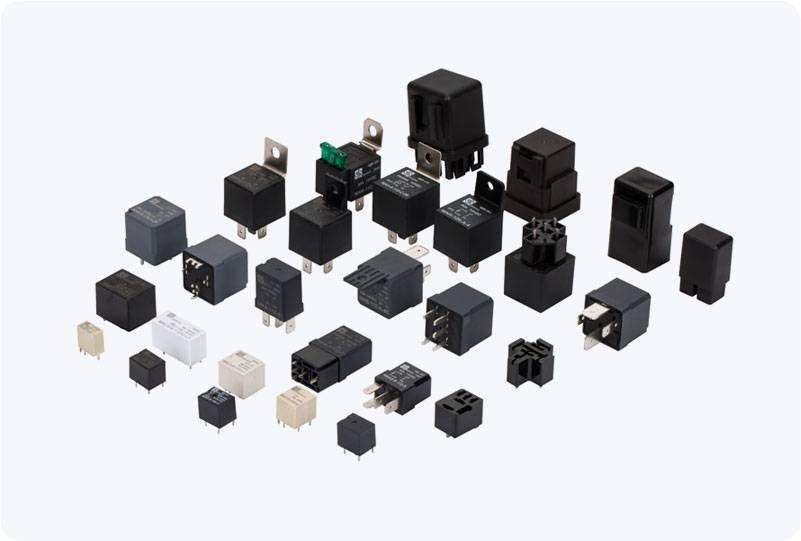
What is a Capacitor Precharge Circuit Relay? A Capacitor Precharge Circuit Relay is a specialized relay circuit used to safely precharge capacitors before they are connected to the full power supply. This method ensures that the capacitor’s voltage gradually increases until it matches the power supply voltage. The relay acts as an intermediary, controlling the flow of current to prevent inrush currents, which can cause excessive wear on components and result in system failure. When power is first applied to the system, capacitors are typically in a discharged state. If they were directly connected to the power source, the resulting large current would flow through the capacitor, potentially damaging both the capacitor and the power supply. The precharge circuit uses a series of components, including resistors, control circuits, and a relay, to manage this initial charging process.