Relay circuits have been a cornerstone of electrical engineering, providing reliable control over larger currents and voltages with relatively low input signals. The relay, an electromechanical switch, operates based on electromagnetic principles, allowing it to turn on or off other circuits. In this article, we will explore the fundamentals of relay circuit design, its components, considerations during the design process, and practical applications.
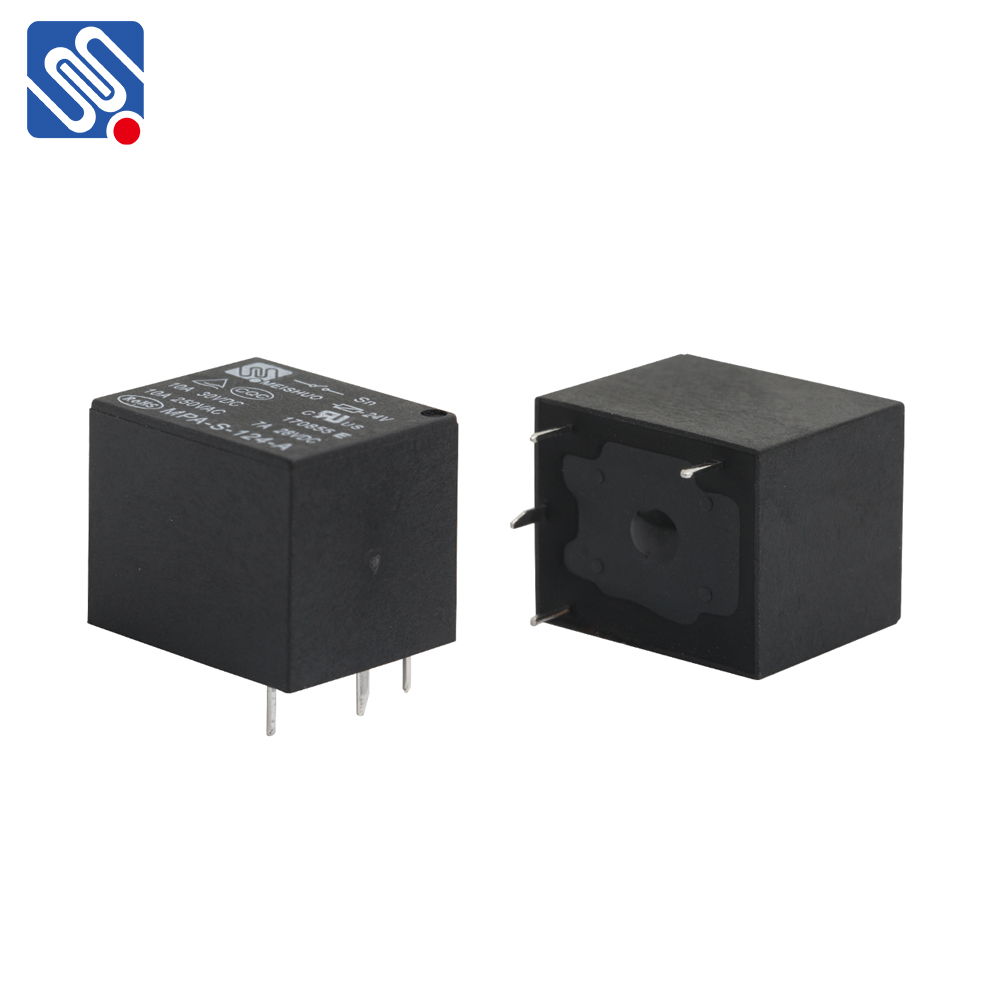
Fundamentals of Relay Operation At its core, a relay consists of a coil, an armature, and one or more sets of contacts. When an electrical current is passed through the coil, it generates a magnetic field that attracts the armature. This movement can either close or open the contacts, enabling or disabling the flow of current in the connected circuit. Relays can be classified into several types based on their design and function, such as electromagnetic relays, solid-state relays, and reed relays. Each type has unique strengths and is suited for different applications. Components of Relay Circuits