Scaffolding is a fundamental part of construction, offering the necessary support and access for workers to perform their tasks at height. However, the use of scaffolding also introduces significant safety risks if not properly managed. One of the most critical safety tools in scaffolding operations is the Scaffolding Lockout Tags system. These tags are part of the broader Lockout/Tagout (LOTO) safety procedure and play a vital role in preventing accidents during maintenance, repair, or modification of scaffolding equipment. This article explores the importance of Scaffolding Lockout Tags, their role in ensuring workplace safety, and best practices for their use.
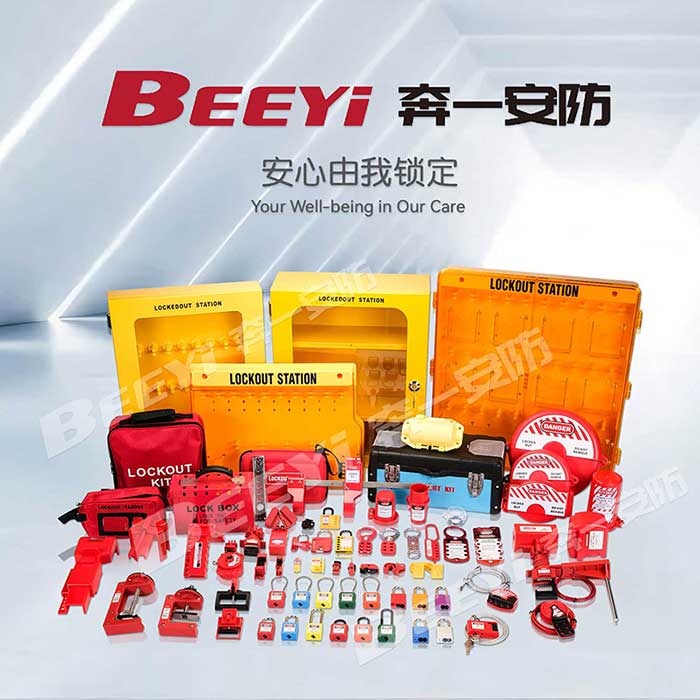
Understanding Scaffolding Lockout Tags Scaffolding Lockout Tags are safety devices used to indicate that scaffolding or related equipment has been locked or is in an unsafe condition, preventing its use until it is repaired or decommissioned. These tags are attached to scaffolding components such as ladders, platforms, or hoists, and are typically used during maintenance or repair activities. The tag visually informs workers and safety officers that the scaffold is either being serviced or is not safe for use. These tags are often paired with locks that secure equipment in place. When attached, the lockout tag serves as a warning that the equipment is either locked down or isolated from normal use. The primary goal is to protect workers from potential hazards, such as accidental operation or the failure of damaged equipment.