A Solenoid Valve for Liquid Control is a crucial component in various industrial and commercial applications, used to regulate the flow of liquids with high precision. This type of valve utilizes electromagnetic technology to open or close a passage for liquid flow, offering a reliable and efficient solution for fluid management. Its versatility and efficiency make it essential in many systems, from water treatment to chemical processing and medical applications. This article will explore the key features, working principles, applications, and advantages of solenoid valves in liquid control systems.
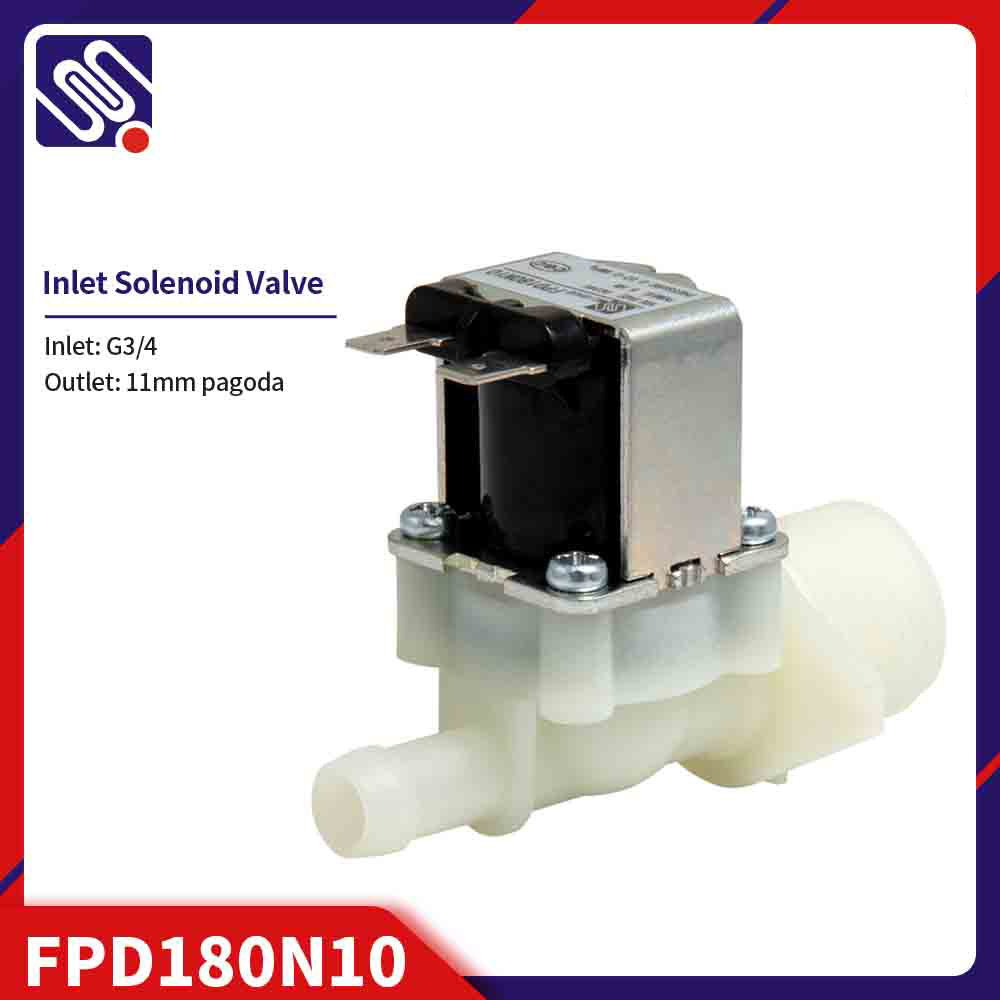
What is a Solenoid Valve for Liquid Control? A solenoid valve is an electromechanical device that controls the flow of liquids (or gases) in a system. It operates using an electromagnetic coil, which, when energized, creates a magnetic field that moves a plunger or armature within the valve. This movement either opens or closes the valve, thereby regulating the flow of liquid through a pipe or hose. The valve itself is typically made from durable materials, such as stainless steel, plastic, or brass, designed to withstand various pressures and chemicals. The solenoid valve is a simple yet powerful solution for fluid control, offering rapid actuation and high reliability. It is often used in systems that require frequent or precise control over liquid flow, such as irrigation systems, industrial machinery, and laboratory setups.