As the world moves toward cleaner, more sustainable energy sources, hydrogen energy is gaining significant attention as a viable solution. Combined with lithium battery technology, which is widely used for energy storage in various applications, the integration of hydrogen energy systems with lithium batteries promises to revolutionize the way we store and use energy. One critical component in these systems is the Hydrogen Energy Lithium Battery Valve, which plays a crucial role in ensuring the safety and efficiency of the battery. In this article, we will explore the importance of the Hydrogen Energy Lithium Battery Valve, its function, and how it contributes to the safety and longevity of energy storage systems.
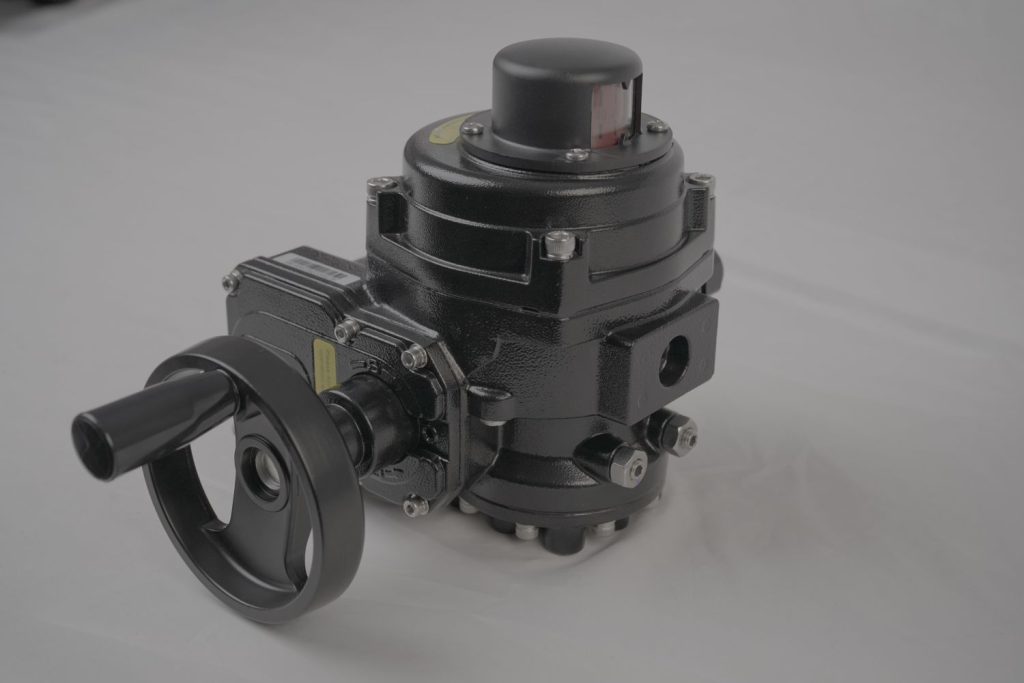
1. The Intersection of Hydrogen Energy and Lithium Batteries

Hydrogen energy is considered a clean energy source because its only byproduct is water vapor when used in fuel cells. When combined with lithium battery technology, which offers high energy density and fast charging capabilities, hydrogen energy systems become highly efficient and versatile. The main application of this hybrid system can be found in fuel cell vehicles, renewable energy storage, and backup power solutions. Lithium batteries, while efficient, face challenges related to safety, particularly concerning overcharging, temperature fluctuations, and the build-up of internal pressure. This is where the Hydrogen Energy Lithium Battery Valve comes into play, providing a crucial safety mechanism to ensure the battery performs optimally without posing a risk to users or the environment.