When designing electrical systems or circuits, selecting the appropriate relay type is crucial for ensuring reliability, efficiency, and longevity. The right relay can prevent circuit damage, improve performance, and enhance the safety of the entire system. This article explores the key factors to consider when selecting a relay type, focusing on load characteristics, operating conditions, and technical specifications.
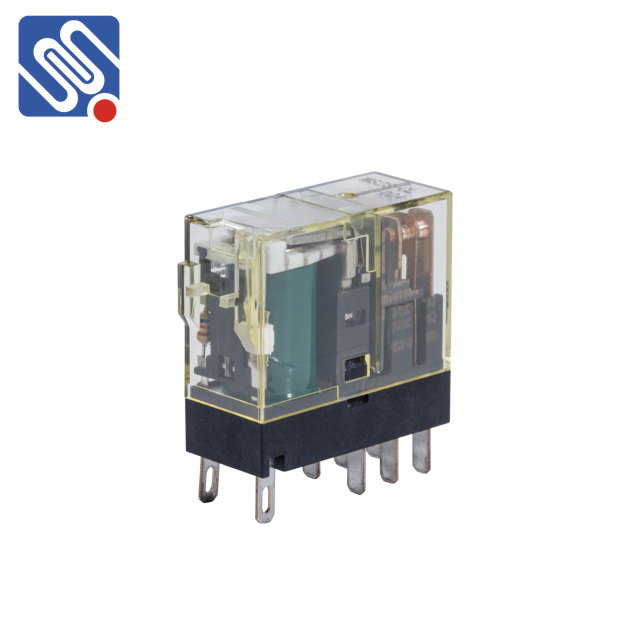
Understanding Relay Types A relay is an electrically operated switch that allows one circuit to control another, typically through a low-power signal controlling a high-power circuit. Depending on the specific application, relays come in different types, each suited to particular requirements. The primary relay categories are electromagnetic, solid-state, and thermal relays. Each of these types has distinct advantages and disadvantages, depending on the nature of the application. Electromagnetic Relays (EMR) The most commonly used relay, electromagnetic relays, rely on an electromagnet to operate a set of contacts. When the coil is energized, the electromagnetic field attracts or repels the relay’s contacts to open or close the circuit. Electromagnetic relays are suitable for controlling both AC and DC loads and are known for their fast switching speeds and relatively low cost.