Industrial relays play a crucial role in modern industrial automation, serving as fundamental components in controlling and managing electrical systems. Essentially, an industrial relay is an electrically operated switch that allows a low-power control signal to manage a high-power circuit safely and efficiently. Its ability to isolate control circuits from high-power devices makes it indispensable in various industrial applications.
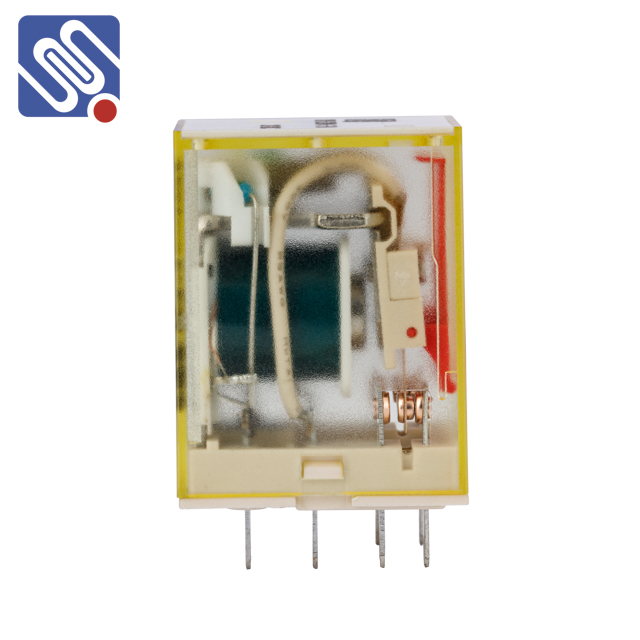
At the heart of an industrial relay is an electromagnetic coil that, when energized, generates a magnetic field to move internal contacts. These contacts can either open or close a circuit, allowing the relay to control devices such as motors, pumps, heaters, and lighting systems. This simple mechanism provides a reliable means of managing large electrical loads without direct human intervention. Industrial relays are valued for their durability and ability to operate under harsh conditions. Unlike household relays, which typically handle small loads, industrial relays are designed to manage high currents and voltages, often in environments with temperature fluctuations, vibrations, and exposure to dust or moisture. Their robust construction ensures long service life and reduces maintenance requirements, which is critical for minimizing downtime in industrial operations.