Relays are essential components in modern vehicles, acting as electrical switches that control the power flow to various systems within the car. Whether it’s the lights, fuel pump, or air conditioning, relays help ensure that electrical functions work efficiently. However, like any other mechanical or electrical component, relays can fail, leading to issues in vehicle performance. Understanding the different relay failure modes can help diagnose problems early and avoid costly repairs.
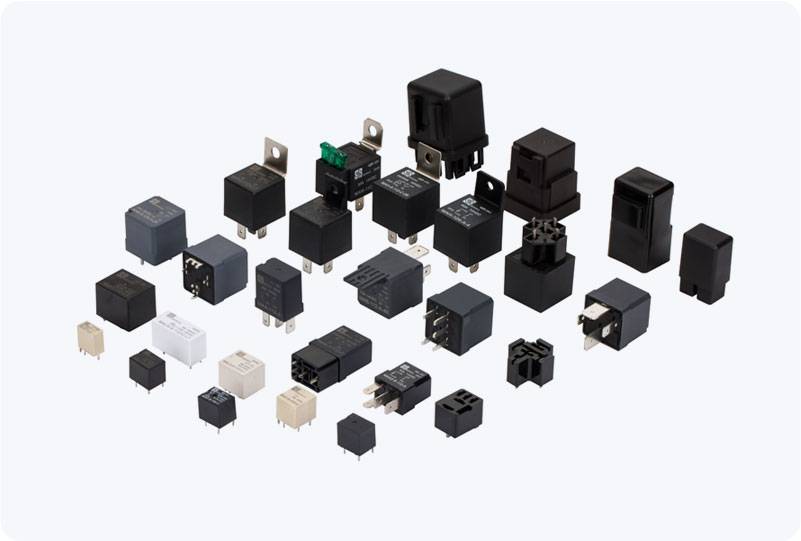
1. Contacts Welding (Sticking) One of the most common relay failure modes is the welding or sticking of the internal contacts. This typically happens when the relay is subjected to excessive current, heat, or prolonged use. The contacts inside the relay are designed to open and close, allowing electricity to pass through when needed. However, if the relay is subjected to higher-than-normal current or poor-quality contacts, they may fuse together. When this happens, the relay will fail to open or close properly. Symptoms: A system controlled by a stuck relay may either stay on continuously (such as a constantly running fuel pump) or fail to activate altogether. A common example is a relay that fails to turn off the vehicle’s headlights after the engine is shut off.