Relay type selection is a crucial aspect of electrical and electronic systems design. A relay, in its simplest form, is an electrically operated switch that enables a small control signal to manage a larger current or voltage in a system. When choosing the right relay for a specific application, several factors come into play. These factors include load characteristics, voltage requirements, environmental conditions, and more. In this article, we will discuss the key considerations for selecting the most appropriate relay type for your needs.
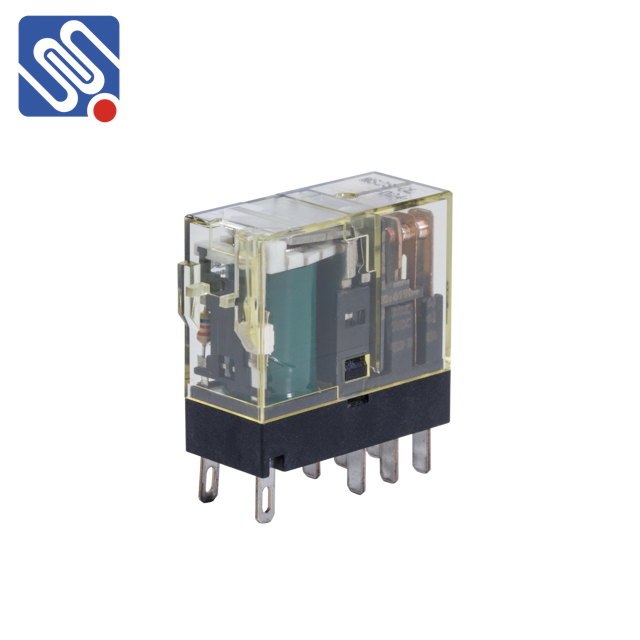
1. Understanding the Basics of Relays Relays are used to control circuits by opening or closing electrical contacts in response to a control signal. They are typically used for switching high-voltage or high-current loads using a lower power signal, making them essential in various automation, control systems, and protection devices. There are different types of relays available in the market, each with unique characteristics that make them suitable for specific applications. 2. Load Characteristics and Current Ratings One of the first factors to consider when selecting a relay is the nature of the load being controlled. Relays are available in different current ratings, which determine the maximum amount of current they can switch. For example, a relay used to control a heavy-duty industrial motor will need to have a higher current rating than one used for a small lighting circuit. It is essential to choose a relay with a current rating that matches the load requirements to avoid damage or failure.