Relays are an essential part of modern automotive electrical systems, acting as switches that control the flow of electricity to various components in a car. By enabling low-power circuits to control high-power systems, relays ensure that vehicles function smoothly and safely. There are several types of relays used in automotive applications, each with its unique function and purpose. Understanding the different car relay types can help in troubleshooting, maintenance, or upgrading a vehicle’s electrical system.
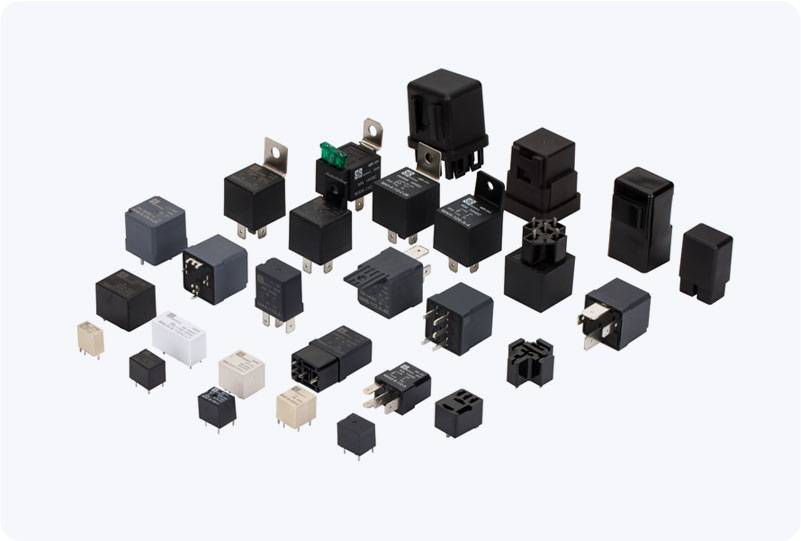
What is a Car Relay? A car relay is an electrically operated switch that uses an electromagnet to open or close a circuit. In simple terms, when a low-current signal is sent to the relay, it activates an internal switch that allows a high-current circuit to be completed. This is crucial in automotive applications, where many systems need to operate with high current, but the activation signal comes from low-power components, such as a car’s control module or switches. Relays help prevent excessive current from reaching delicate parts of the system while maintaining the proper operation of high-power components.