Relays are integral components in various electrical and automation systems, used for switching and controlling circuits in response to an input signal. Whether in industrial machinery, household appliances, or vehicles, relays ensure reliable control and safety by opening or closing electrical circuits automatically. This guide aims to provide a thorough understanding of relay operation, from its basic principles to its installation, usage, and maintenance. Understanding the proper use of relays can significantly enhance the efficiency and longevity of electrical systems.
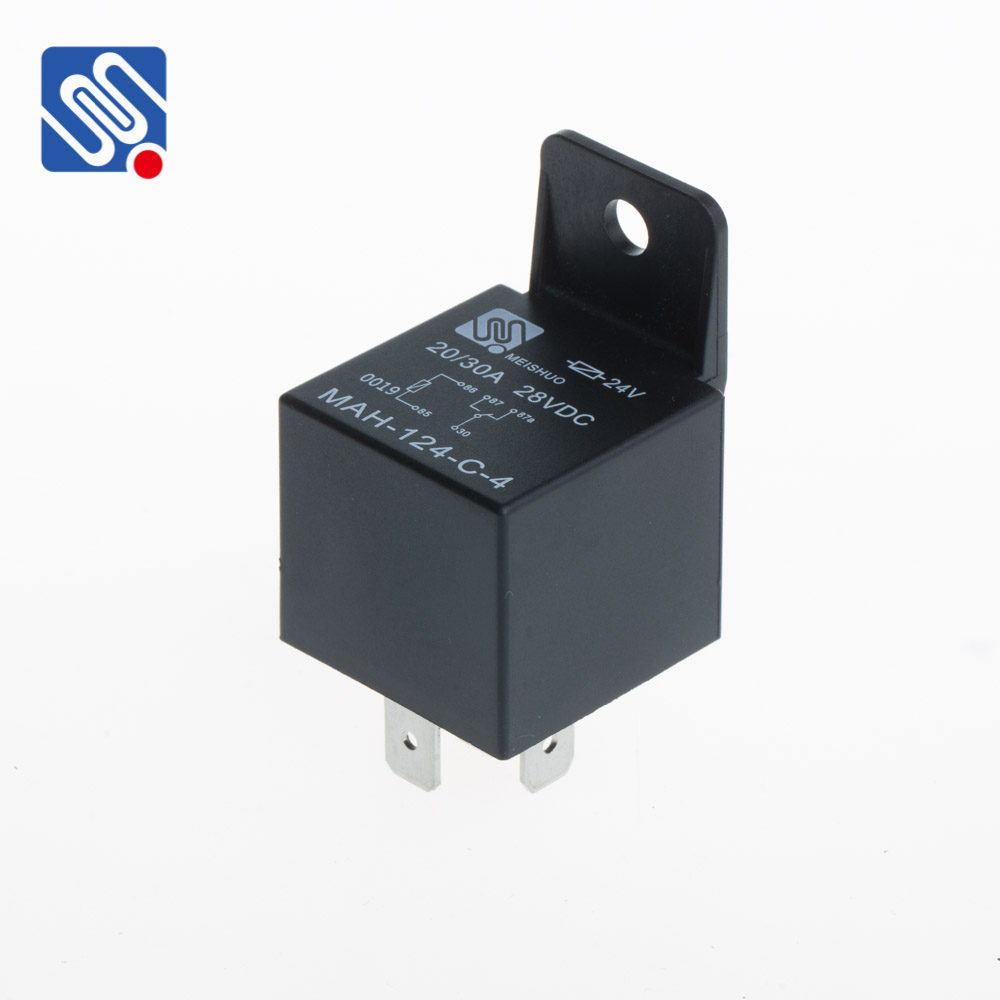
What is a Relay? A relay is an electromechanical device that uses an electromagnet to open or close one or more sets of contacts, allowing or interrupting the flow of electrical current. It works by utilizing a small input current to control a larger output current, offering a reliable method for controlling electrical circuits remotely or automatically. Relays can be found in various forms, including mechanical, solid-state, and reed relays, each with specific applications and advantages. Types of Relays Electromagnetic Relays (EMR): These are the most common type of relays. They consist of a coil of wire, which, when energized, creates a magnetic field that moves a set of contacts. EMRs are widely used in applications that require the switching of high-current circuits with a low-power control signal.