A one-way solenoid valve is a vital component in various fluid control systems, serving the purpose of regulating fluid flow in a single direction. This type of valve plays a crucial role in industrial, automotive, and pneumatic systems, providing a simple yet effective solution for controlling the flow of liquids or gases. In this article, we will explore the key features, working principle, and applications of one-way solenoid valves.
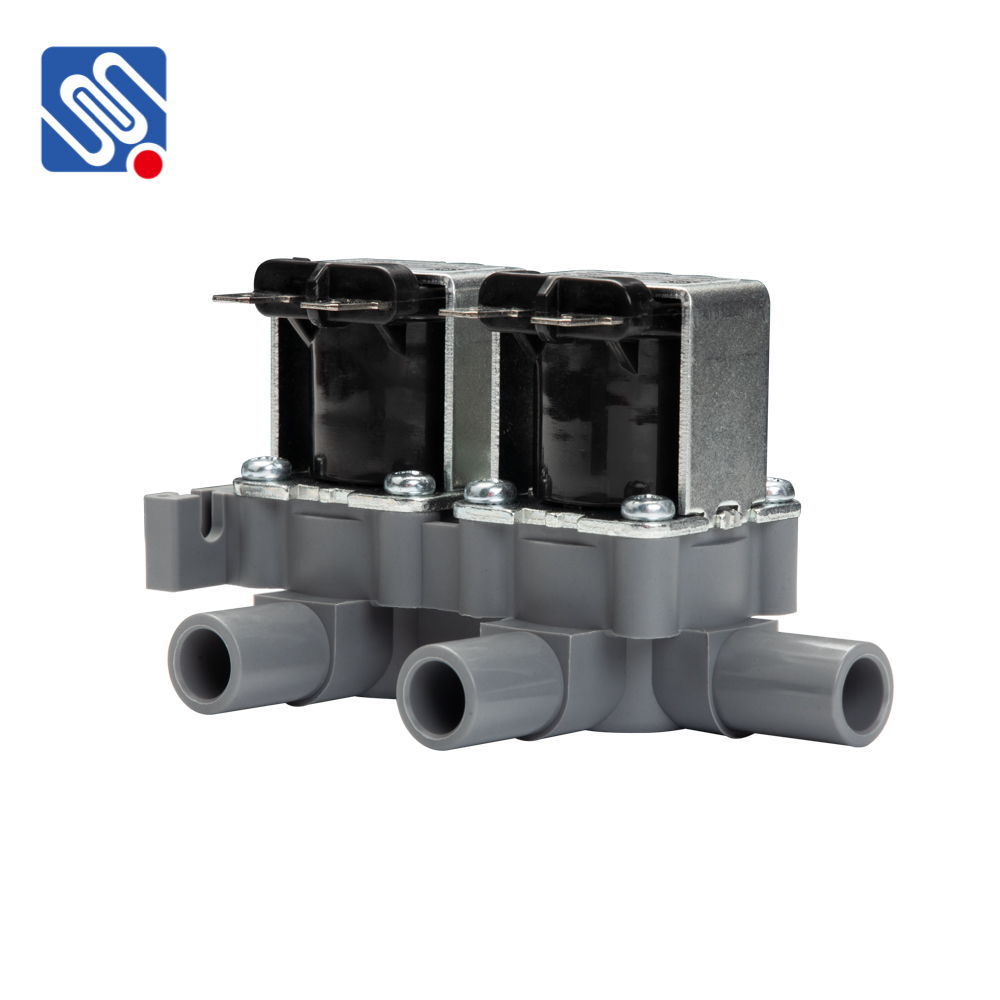
Key Features of One-Way Solenoid Valves One-way solenoid valves are designed to allow fluid to flow in one direction while preventing backflow. These valves are typically compact and can be easily integrated into different systems. The core components of a one-way solenoid valve include a solenoid coil, an armature, a spring-loaded valve seat, and a housing. The solenoid coil, when energized, creates a magnetic field that pulls the armature, causing the valve to open. When the solenoid coil is de-energized, the spring returns the valve to its closed position. The key features of a one-way solenoid valve are as follows: