Relay wiring plays a pivotal role in modern electrical and automation systems. Whether you’re working on a small home project, industrial machinery, or complex control systems, understanding how relays work and how to wire them is essential for safe and effective operation. This article will guide you through the basics of relay wiring, including its functions, components, and common wiring configurations.
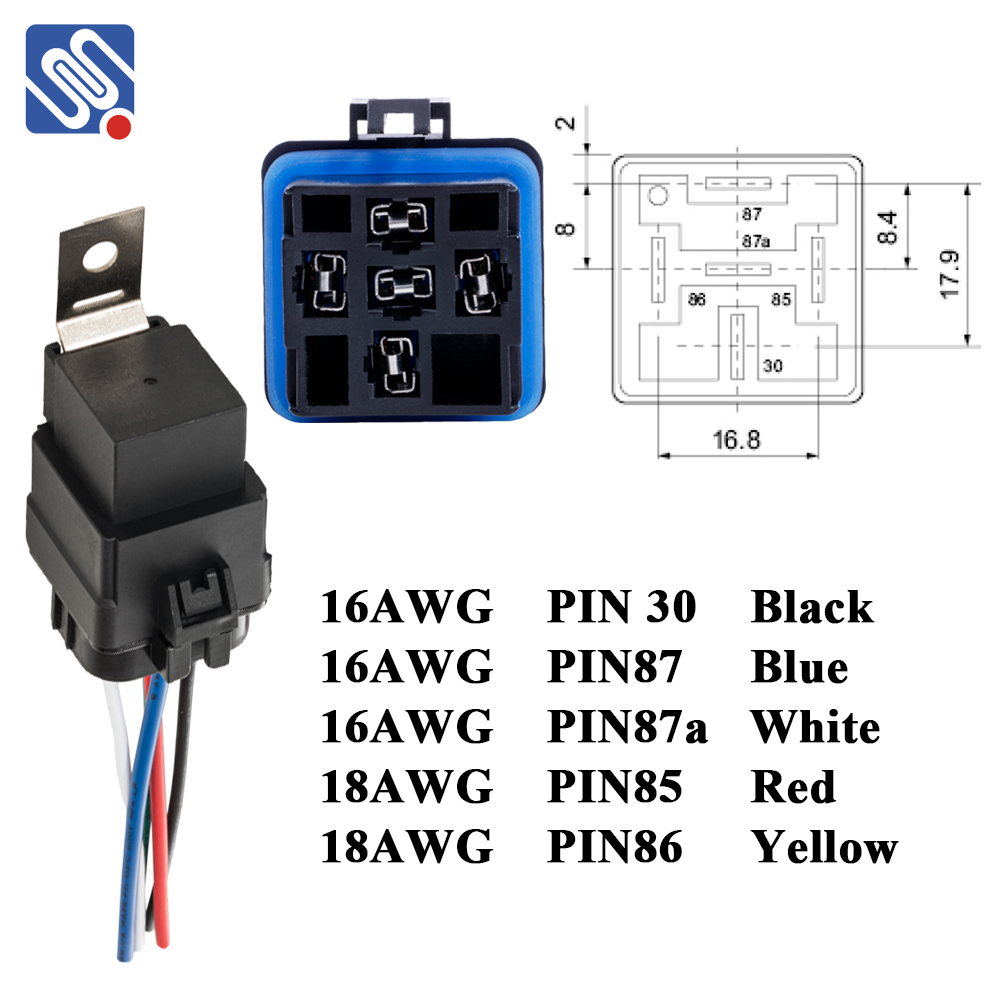
What is a Relay? A relay is an electrically operated switch that allows you to control a high-power circuit with a low-power control signal. It consists of two main parts: the coil and the contacts. The coil, when energized, creates a magnetic field that attracts or repels the contacts, thus opening or closing the circuit. This mechanism allows the relay to isolate the control side (low-voltage) from the power side (high-voltage), which is crucial in many applications where high current or voltage is involved. Components of a Relay Coil: The coil is the electromagnet inside the relay. When current flows through it, it generates a magnetic field that pulls the relay’s contacts together or pushes them apart.