Reverse Osmosis (RO) systems have become a staple in modern water filtration, providing clean, purified water for both residential and commercial use. One of the critical components that ensures the smooth operation of these systems is the Reverse Osmosis Solenoid Valve. This valve plays a significant role in controlling the flow of water within the RO system, ensuring efficiency and preventing issues such as water wastage and overflow. This article explores the function, importance, and applications of the Reverse Osmosis Solenoid Valve in water filtration systems.
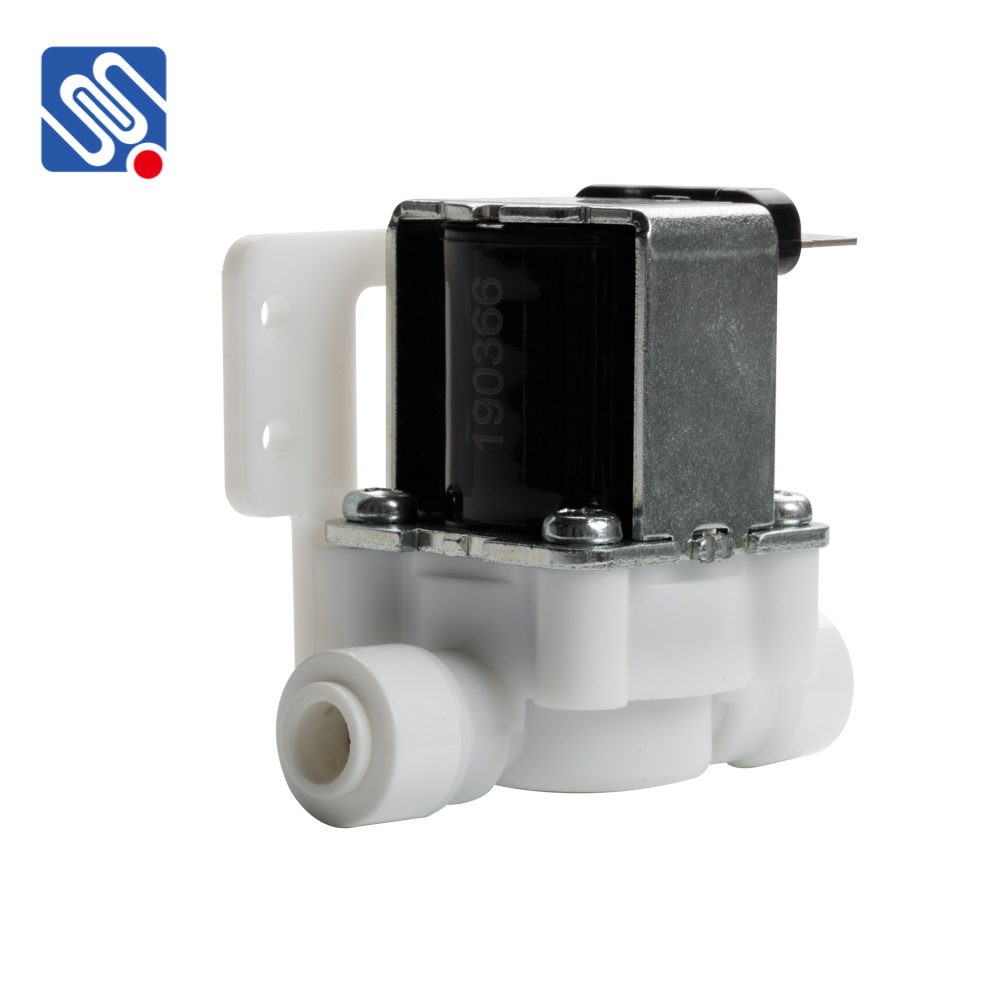
What is a Reverse Osmosis Solenoid Valve? A Reverse Osmosis Solenoid Valve is an electrically operated valve that is commonly used in reverse osmosis water filtration systems. It controls the flow of water through the system by opening or closing based on an electric signal. Typically, this type of valve is a Normally Closed (NC) valve, meaning it remains closed when there is no electrical power. When the system requires water, an electrical current is sent to the solenoid, which causes the valve to open, allowing water to flow into the system. Once the system reaches the desired water level, the electrical signal is cut off, and the valve closes, halting the water flow.