In the rapidly evolving world of industrial automation, safety is a primary concern, especially in environments where human life and environmental stability are at risk. One critical component that plays an essential role in ensuring safety is the Safety Relay SIL 3. This type of relay is designed to meet stringent safety requirements, ensuring that industrial systems function correctly even in the event of failure. In this article, we will explore the importance of Safety Relay SIL 3, its features, applications, and the standards it adheres to.
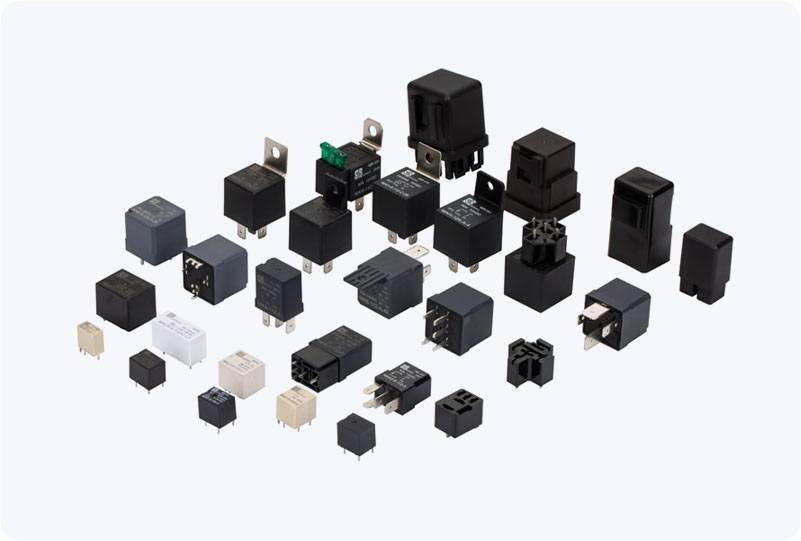
What is Safety Relay SIL 3? A Safety Relay SIL 3 is a safety relay system that conforms to Safety Integrity Level (SIL 3), a standard defined by the IEC 61508 and ISO 13849 regulations for functional safety. These standards are crucial for industries that deal with high-risk processes, such as chemical plants, power generation facilities, and heavy manufacturing sectors. SIL 3 denotes that the system must provide a high degree of safety by minimizing the likelihood of a failure that could lead to dangerous consequences. SIL is a measurement used to evaluate the reliability of safety-related control systems, with levels ranging from SIL 1 to SIL 4. A SIL 3 relay is specifically designed to operate in environments where the consequences of failure are severe and where the safety systems must function under extreme conditions.