The Certified Water Solenoid Valve is an integral component in numerous applications where precise control of water flow is essential. These valves play a crucial role in both residential and industrial systems, enabling efficient water management while ensuring compliance with safety and quality standards. Understanding the characteristics, applications, and benefits of certified water solenoid valves can help consumers and professionals make informed decisions when selecting the right valve for their needs.
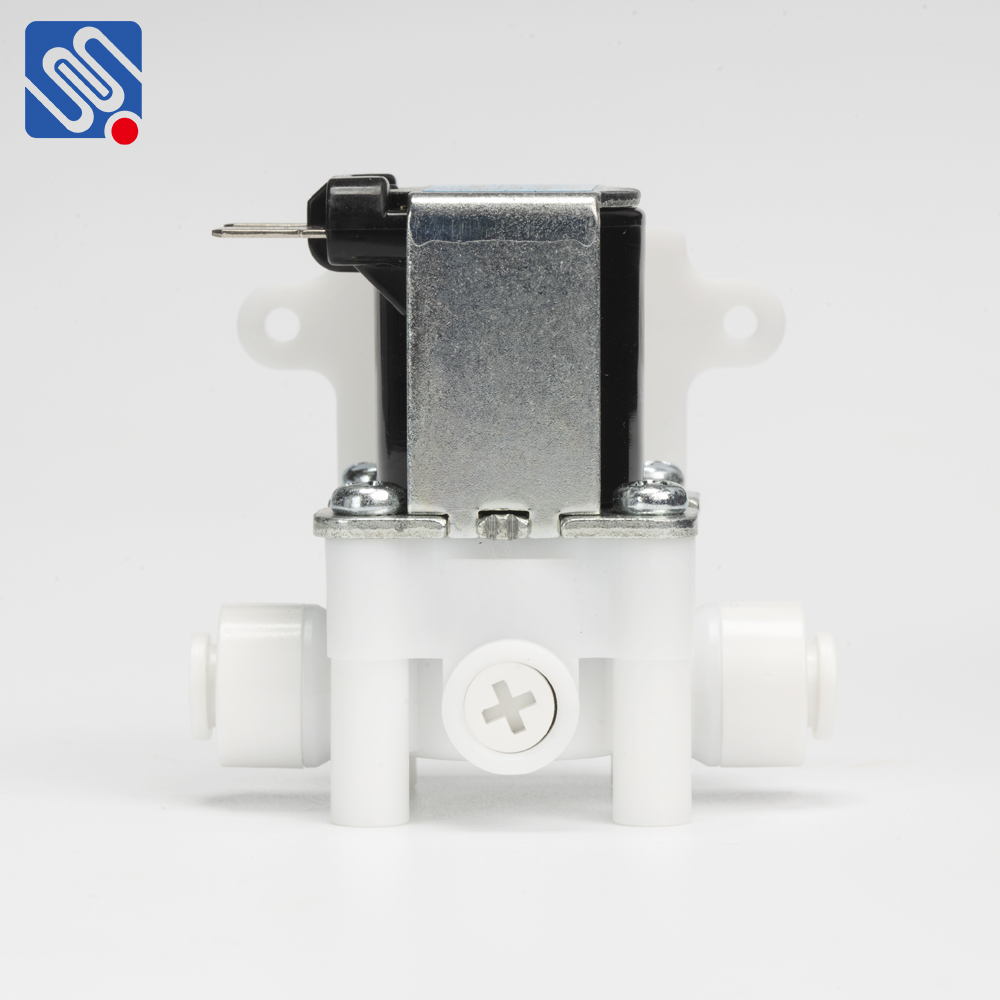
Understanding Solenoid Valves At its core, a solenoid valve is an electromechanical device that controls the flow of fluids. It consists of a coil of wire, which acts as an electromagnet when an electric current passes through it. This magnetic field interacts with a movable plunger or diaphragm within the valve body, opening or closing the flow path. The operation can be simply categorized into two types: Normally Closed (NC) and Normally Open (NO). In NC valves, flow is interrupted when de-energized, while in NO valves, flow is initiated when powered. Importance of Certification
The designation “Certified” signifies that the solenoid valve meets specific safety and performance standards established by regulatory organizations. For water applications, certifications such as NSF/ANSI 61 ensure that the materials used are safe for drinking water and do not leach harmful contaminants. These certifications provide peace of mind to end-users, guaranteeing that the products they are using comply with both industry regulations and public health standards.