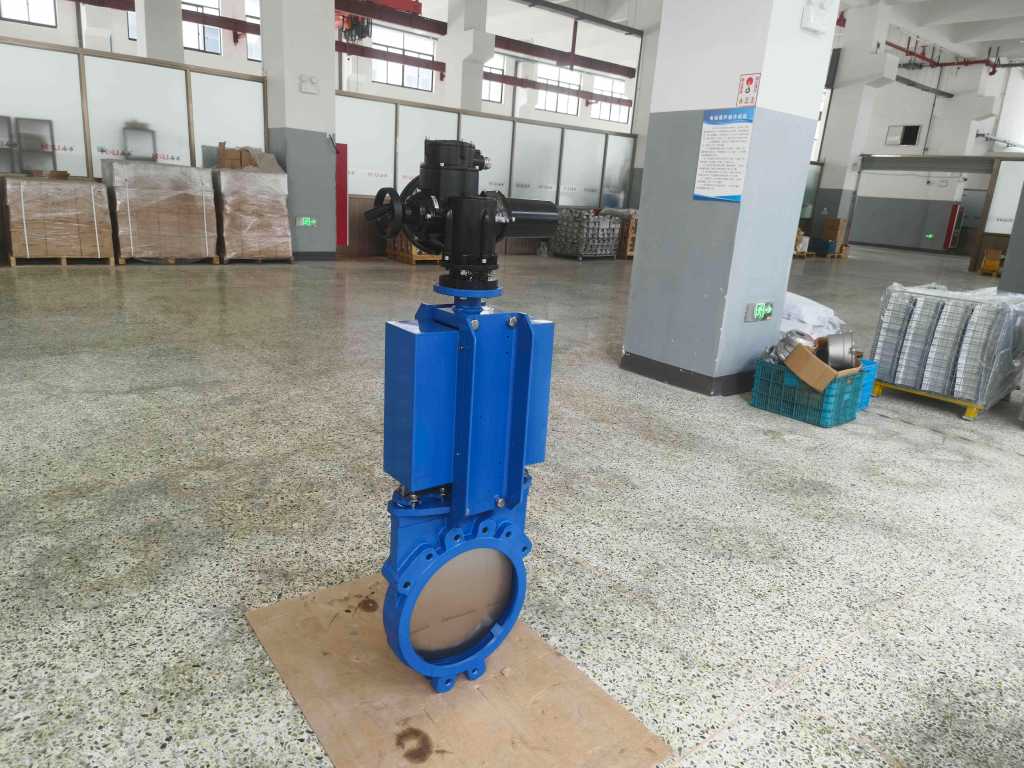
The Electric Flat Gate Valve is a crucial component in various industries, where precise control of fluid or gas flow is needed. By integrating electric actuators with a flat, robust gate design, this valve provides reliable and automated control over pipelines. Widely used in sectors like water treatment, chemical processing, power generation, and heavy manufacturing, electric flat gate valves offer efficiency, safety, and convenience. This article delves into its structure, working principle, applications, and advantages.
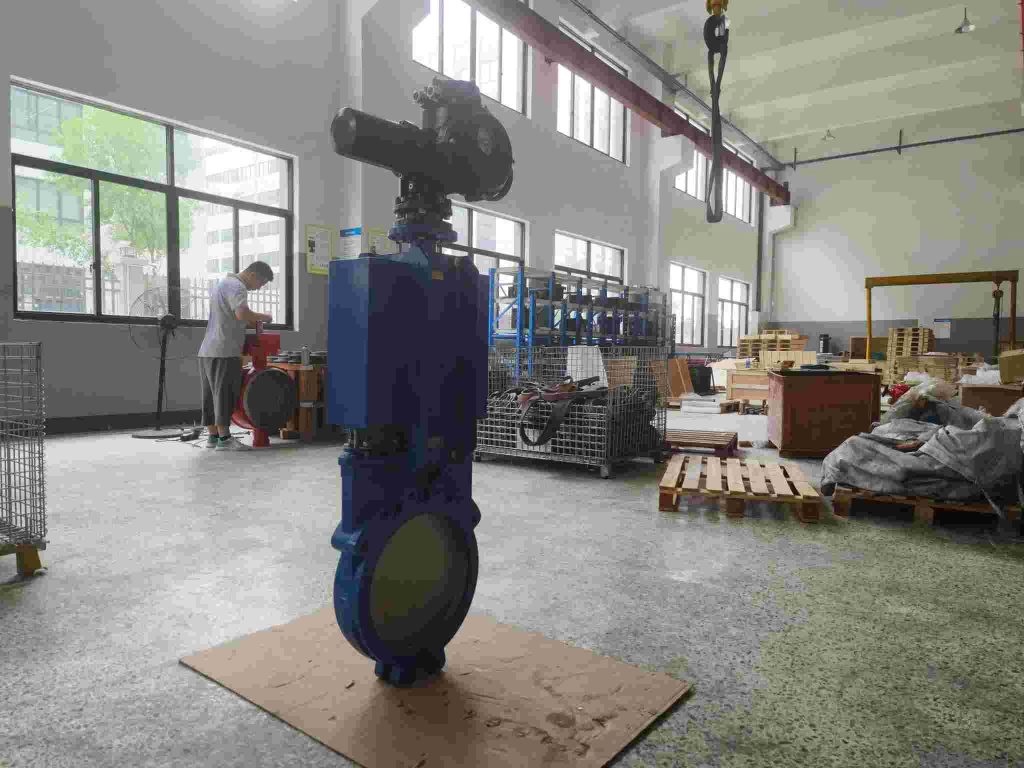
Structure of the Electric Flat Gate Valve
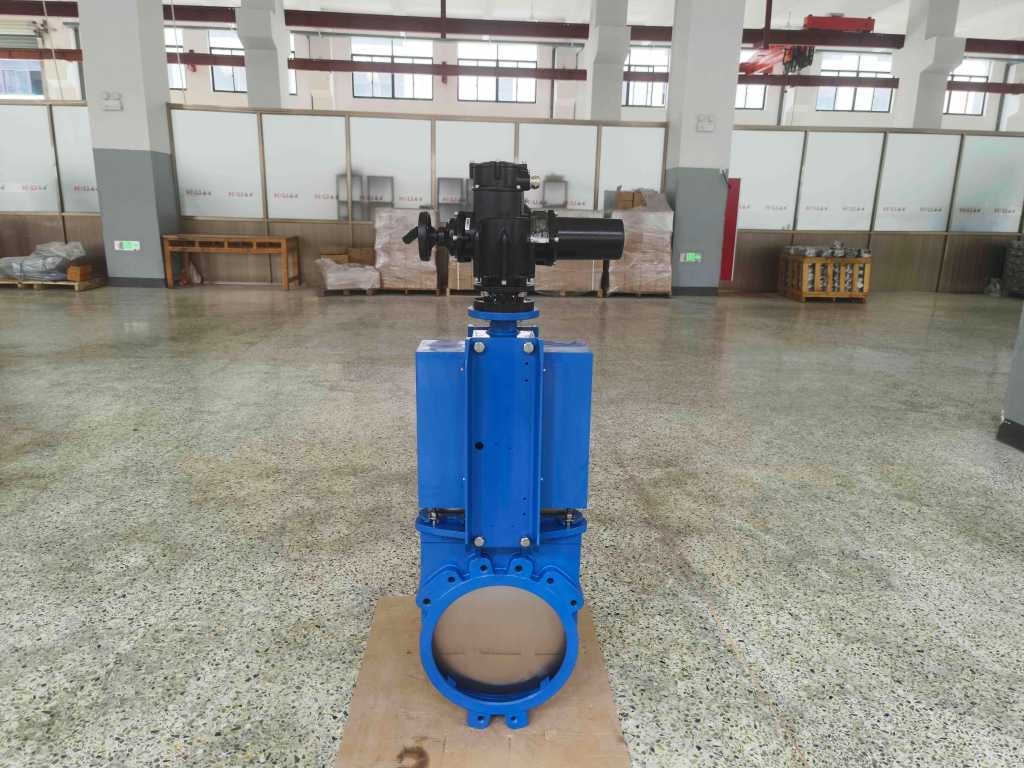
An electric flat gate valve is a valve that uses a flat gate to regulate the flow of fluids or gases through a pipeline. The valve consists of several key components: Valve Body: The body of the valve is designed to house all internal parts, with a flow path that aligns with the size and shape of the pipeline. Materials used for the valve body typically include cast steel, stainless steel, or carbon steel, depending on the application. Gate (Disc): The gate, also referred to as the disc, is a flat piece of material that moves vertically within the valve body. The gate’s surface is often coated or made from materials that provide excellent sealing performance, such as metal or elastomeric coatings.