The Lithium Battery Electric Pinch Valve represents a significant innovation in fluid control technology, offering enhanced efficiency, portability, and precision in regulating fluid flow. As industries increasingly focus on automation, remote operations, and energy conservation, the demand for advanced control systems, such as electric pinch valves powered by lithium batteries, has risen. This article will explore the principles, features, benefits, and applications of lithium battery electric pinch valves, highlighting their role in modern industrial systems.
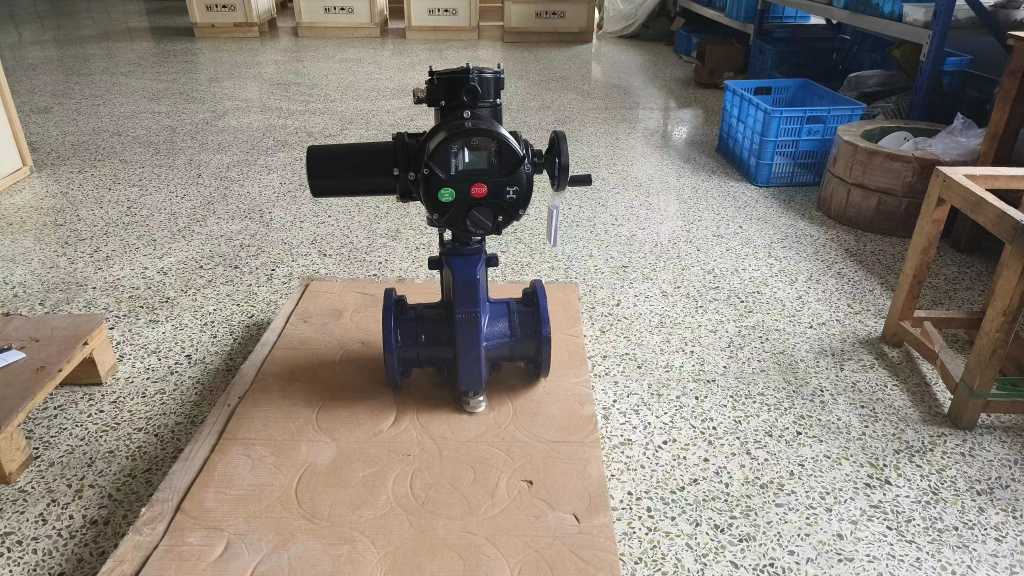
What is a Lithium Battery Electric Pinch Valve? A lithium battery electric pinch valve combines two essential components: the pinch valve mechanism and an electric drive powered by lithium batteries. The pinch valve uses a flexible tube (usually made from rubber or other elastomeric materials) that is squeezed by a mechanical mechanism to control the flow of liquids or gases. The electric actuator drives the mechanism, allowing for precise control of the flow rate, pressure, and direction. The integration of lithium battery power offers several advantages over traditional pneumatic or hydraulic systems. The use of lithium batteries makes the valve energy-efficient, reliable, and more portable, as it can operate independently without the need for an external power source.