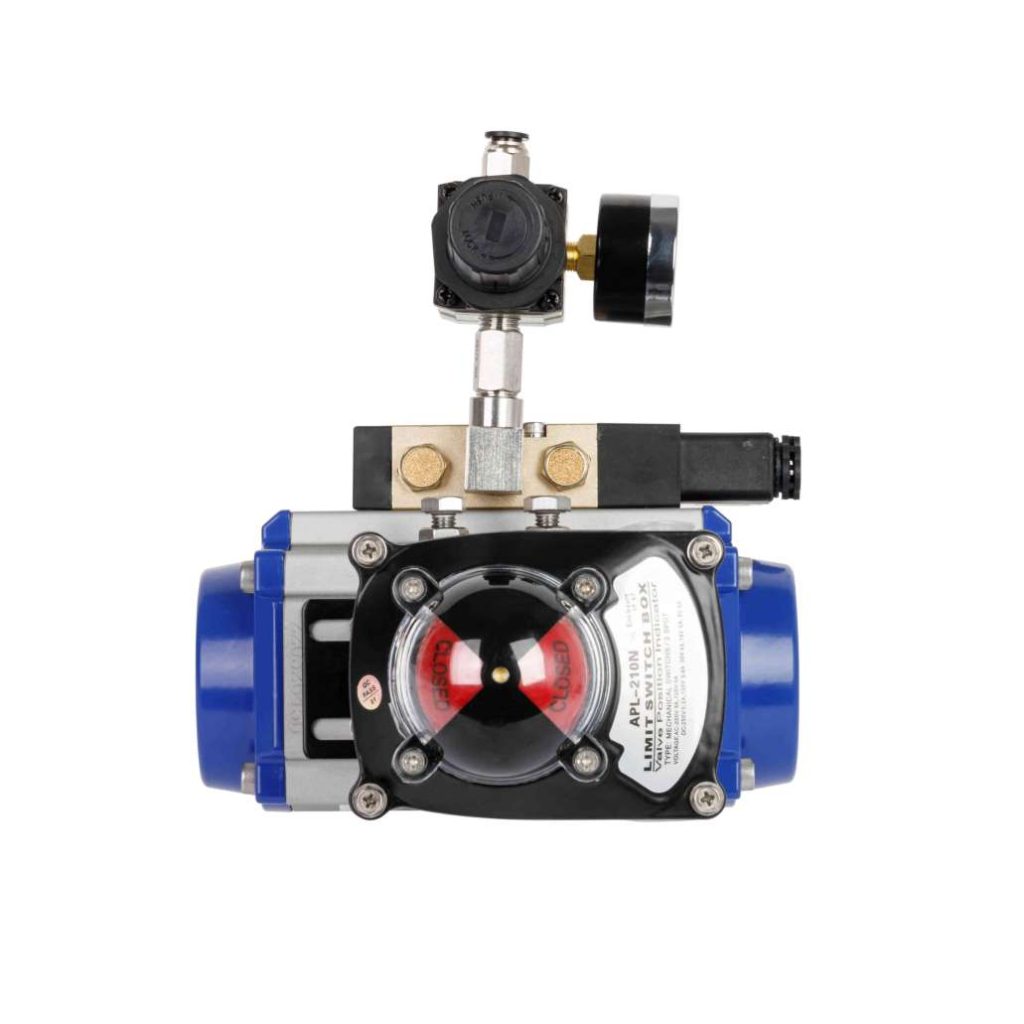
A pneumatic actuator is a device that converts compressed air energy into mechanical motion. It plays a crucial role in various automation systems, ranging from simple valve controls to complex robotic arms. Pneumatic actuators are widely used due to their simplicity, speed, and cost-effectiveness. This article explores the working principle, types, advantages, and applications of pneumatic actuators, as well as the factors that influence their selection in industrial environments.
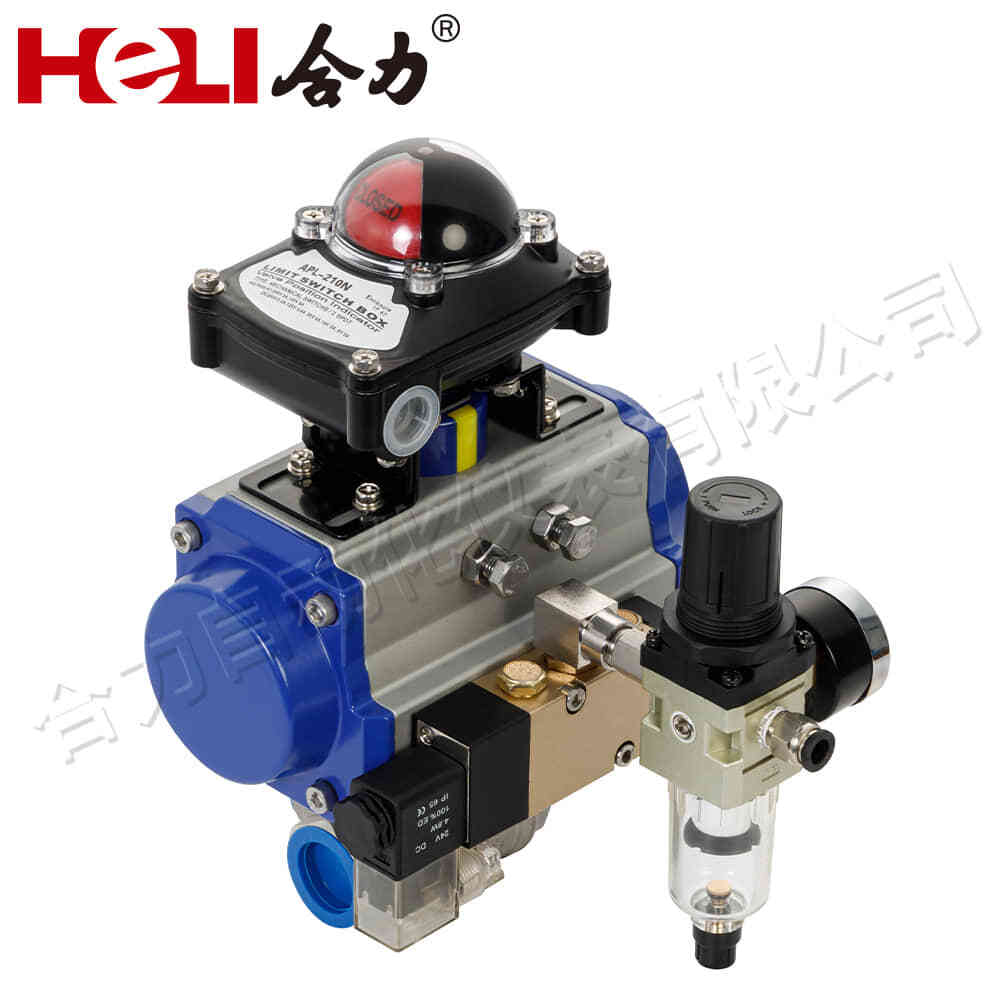
Working Principle of Pneumatic Actuators
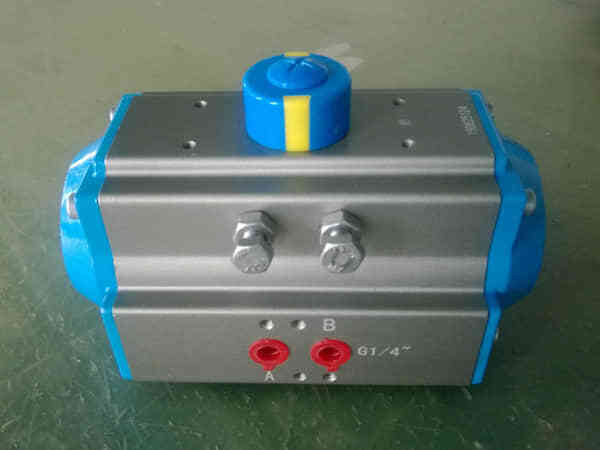
The basic principle behind a pneumatic actuator is the use of compressed air to create linear or rotary motion. When compressed air enters the actuator, it pushes a piston or a diaphragm within the actuator, which in turn produces mechanical force. This force can be used to move a load, open or close valves, or even drive complex machinery. The amount of force generated depends on the air pressure and the size of the actuator’s piston. In linear actuators, the piston moves in a straight line, typically to push or pull a connected component. In rotary actuators, the force generated by compressed air causes a rotational motion, ideal for operating valves or other equipment that require circular movement.