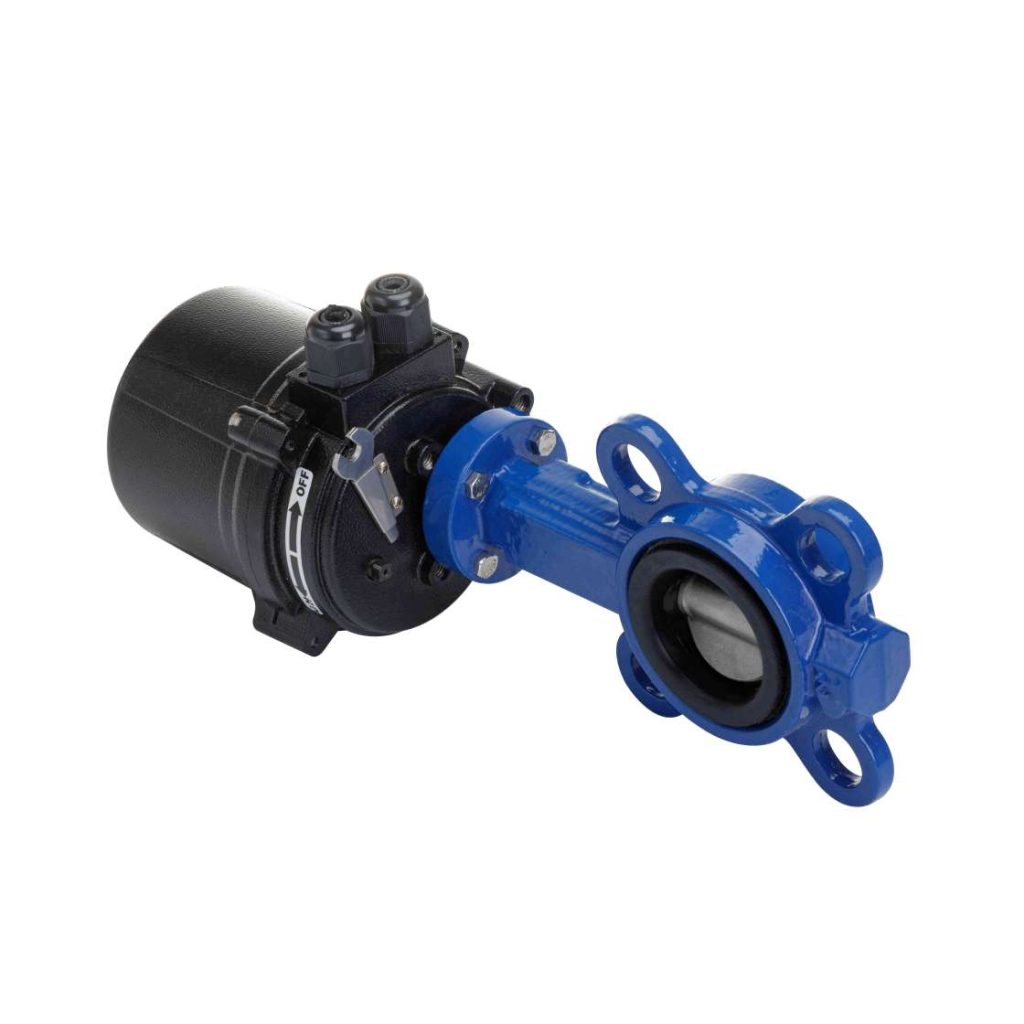
Agricultural irrigation is an essential practice for ensuring crop growth and sustaining food production. With the increasing demand for water conservation and efficient management, innovative technologies are continuously being developed to optimize irrigation systems. One such advancement is the WCB Electric Butterfly Valve for Agricultural Irrigation, a crucial component that offers precision, automation, and reliability. This article will explore the key features and benefits of using the WCB Electric Butterfly Valve in agricultural irrigation systems.
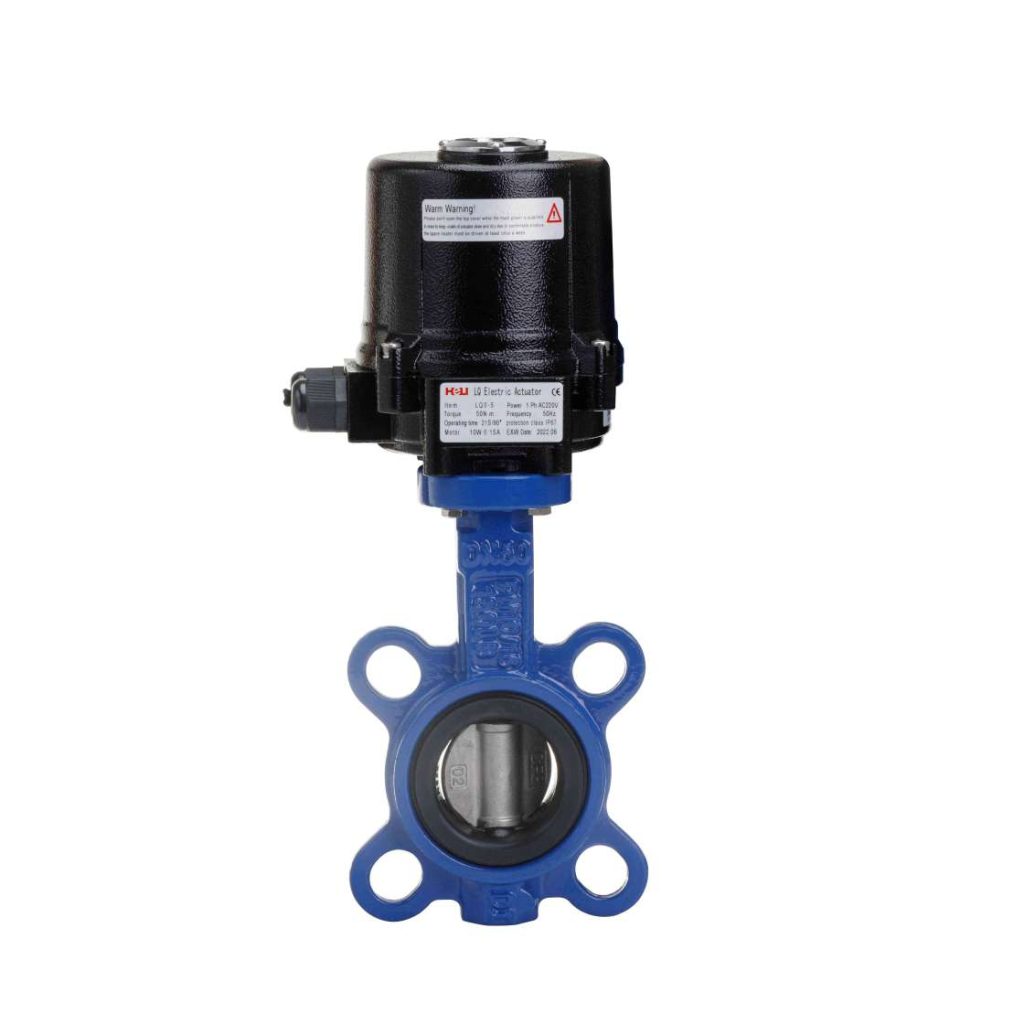
What is a WCB Electric Butterfly Valve?
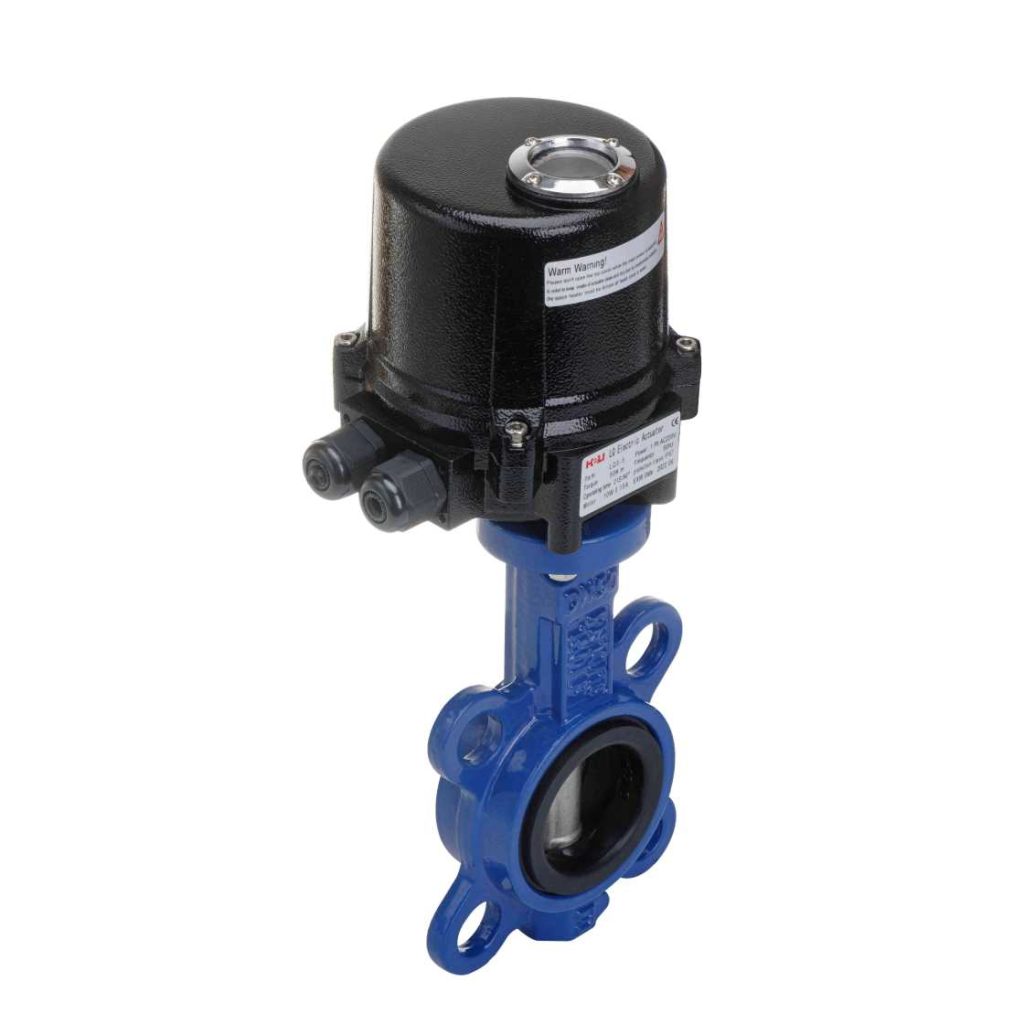
A WCB Electric Butterfly Valve combines the functionality of a butterfly valve with the precision control of an electric actuator. The butterfly valve is a type of flow control valve that uses a rotating disc to regulate the flow of water or other fluids. The disc is mounted on a shaft and positioned in the center of the valve body. By rotating the disc, the valve opens or closes, controlling the flow. The electric actuator is the key component that sets the WCB Electric Butterfly Valve apart from manual valves. It allows for remote operation and automated control, making it ideal for modern irrigation systems. The actuator can be integrated with controllers or sensors to provide real-time data and enhance the efficiency of the entire irrigation process.