The rapid growth of lithium-ion battery applications across various industries, including electric vehicles (EVs), energy storage systems, and consumer electronics, has raised concerns over the safety of these high-energy systems. Among the many components designed to enhance battery safety, the WCB Lithium Battery Valve stands out as a crucial part of the battery’s protection mechanism. This article delves into the function, importance, and working principles of the WCB Lithium Battery Valve, highlighting its role in maintaining the longevity and safety of lithium batteries.
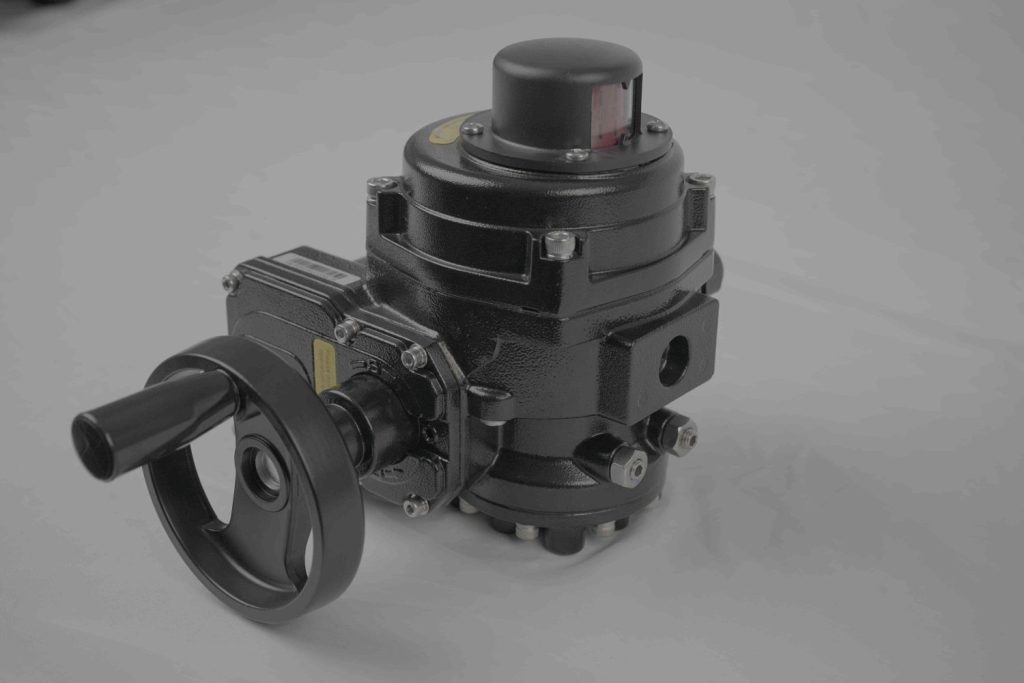
What is the WCB Lithium Battery Valve? The WCB Lithium Battery Valve is a safety device integrated into lithium-ion battery packs. Its primary function is to regulate the internal pressure and temperature of the battery, ensuring that the system remains within safe operating conditions. In the event of an internal malfunction, such as excessive temperature or pressure, the valve automatically activates to release gases or regulate the internal pressure, thus preventing the battery from potentially catastrophic outcomes like rupture or fire. The Growing Need for Battery Safety With lithium-ion batteries becoming the standard power source for numerous devices, their safety has never been more critical. As batteries become more compact and energy-dense, the risk of dangerous incidents such as thermal runaway or internal short circuits also increases. This is particularly concerning in high-energy applications like EVs and industrial storage systems, where the energy capacity is much greater.